Freedom of contract is a fundamental principle of European Union law, a necessary condition for exercising the freedom to choose an occupation and the freedom to conduct a business.
Freedom of contract is a fundamental principle of European Union law, a necessary condition for exercising the freedom to choose an occupation and the freedom to conduct a business.
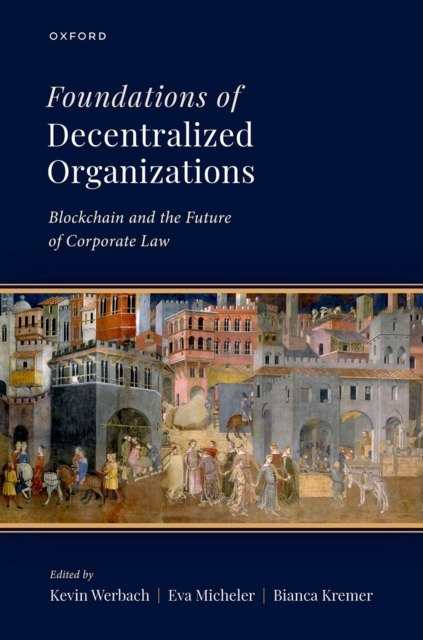
Decentralized Autonomous Organizations (DAOs) are blockchain-based entities that pool digital assets, automate governance through smart contracts, and enable collective decision-making—challenging traditional corporate structures.
Decentralized Autonomous Organizations (DAOs) are blockchain-based entities that pool digital assets, automate governance through smart contracts, and enable collective decision-making—challenging traditional corporate structures.
The Russian invasion of Ukraine reignited discussions on London's property and financial markets as prime destinations for the spoils of kleptocracy and other forms of corrupt wealth.
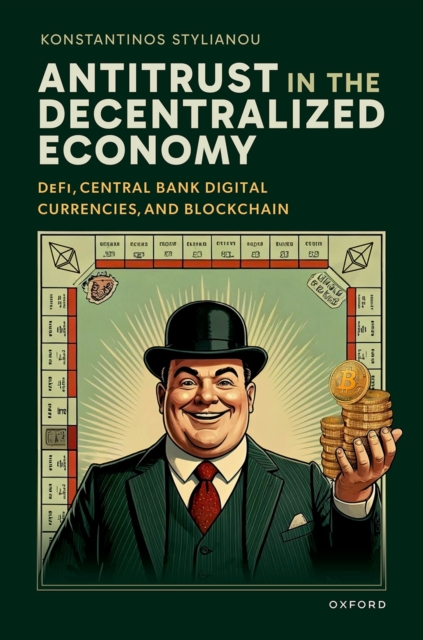
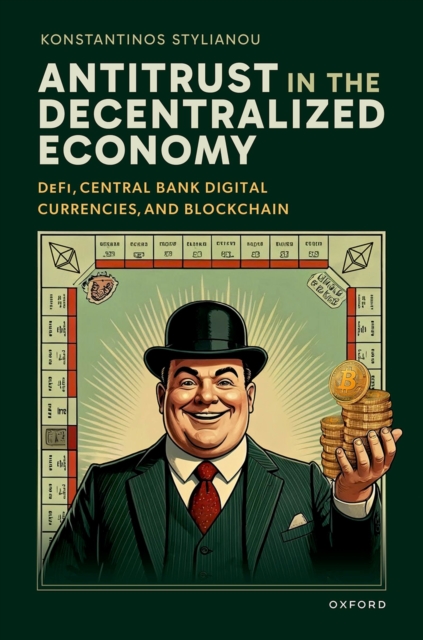
As the blockchain and decentralized finance industry crosses the $3 trillion-mark, market distortions and anticompetitive practices are starting to emerge.
The current framework of EU regulation concerning capital markets is complex and partly inconsistent in the way that it is applied in the various Member States.
As the blockchain and decentralized finance industry crosses the $3 trillion-mark, market distortions and anticompetitive practices are starting to emerge.
The current framework of EU regulation concerning capital markets is complex and partly inconsistent in the way that it is applied in the various Member States.
From banking and finance to digital data protection, contracts, and taxation, modern financial and commercial practices are heavily impacted by continuing and relentless advances in digital technology.
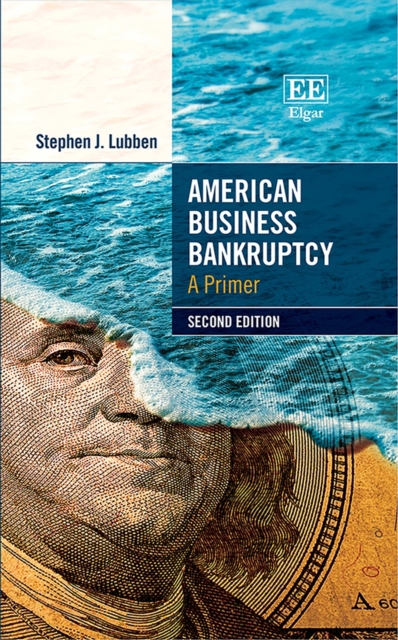
The second edition of the first and only concise introduction to American business insolvency law, this volume provides a succinct overview of American business bankruptcy as it is actually practiced, integrating the law as written and implemented, and now includes coverage of the Small Business Reorganization Act.
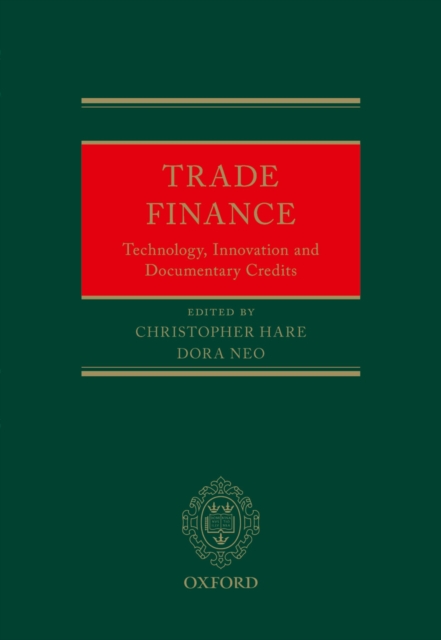
Trade Finance provides a much-needed re-examination of the relevant legal principles and a study of the challenges posed to current legal structures by technological changes, financial innovation, and international regulation.
The second edition of the first and only concise introduction to American business insolvency law, this volume provides a succinct overview of American business bankruptcy as it is actually practiced, integrating the law as written and implemented, and now includes coverage of the Small Business Reorganization Act.
The topic of the financial industry, from both practical and regulatory perspectives, has been widely debated since the Global Financial Crisis of 2007-2008, but the discussion is mostly framed within a Western context.
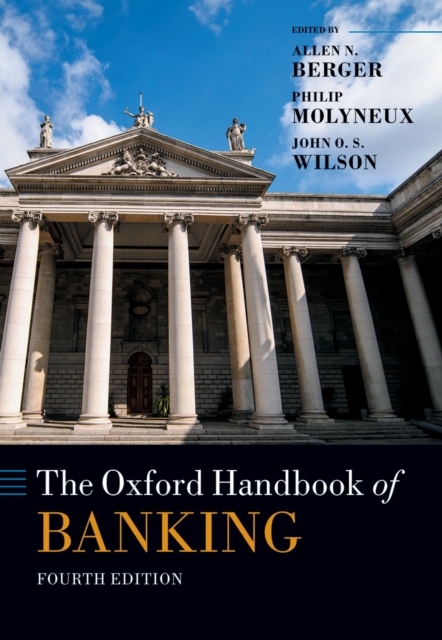
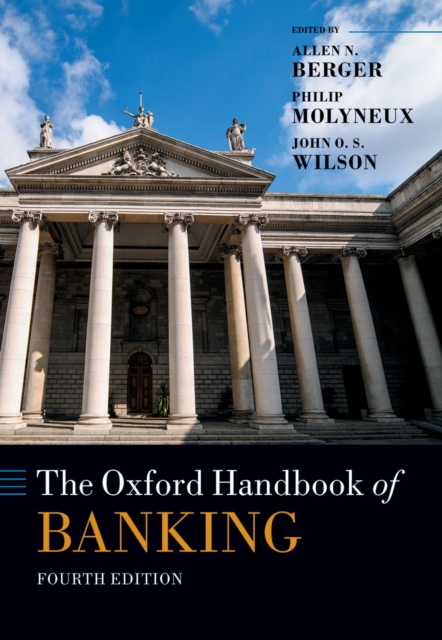
The Oxford Handbook of Banking (4th edition) provides an overview and analysis of developments and research in banking written by leading researchers in the field.
The Oxford Handbook of Banking (4th edition) provides an overview and analysis of developments and research in banking written by leading researchers in the field.
The Russian invasion of Ukraine reignited discussions on London's property and financial markets as prime destinations for the spoils of kleptocracy and other forms of corrupt wealth.
From banking and finance to digital data protection, contracts, and taxation, modern financial and commercial practices are heavily impacted by continuing and relentless advances in digital technology.
For centuries, bills of exchange, cheques, and promissory notes ('negotiable instruments') have played a vital role in the smooth operation of domestic and international commerce.
Over the decade or so since the global financial crisis rocked EU financial markets and led to wide-ranging reforms, EU securities and financial markets regulation has continued to evolve.
EU Payment Services: Regulation and Innovation offers in-depth analysis of the regulation covering the EU market for payment services, the Revised Payment Services Directive (PSD2).
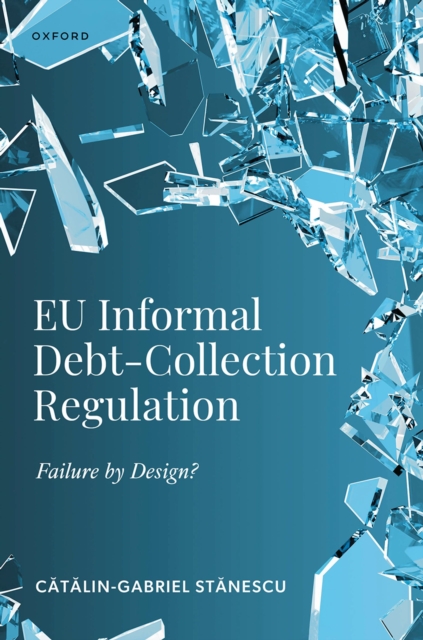
Informal debt collection practices are rampant across many EU Member States while consumer debt levels and defaults are escalating at an alarming rate, fuelled by the lingering aftermath of the 2008 financial crisis, the COVID-19 pandemic, the ongoing war in Ukraine, and high inflation.
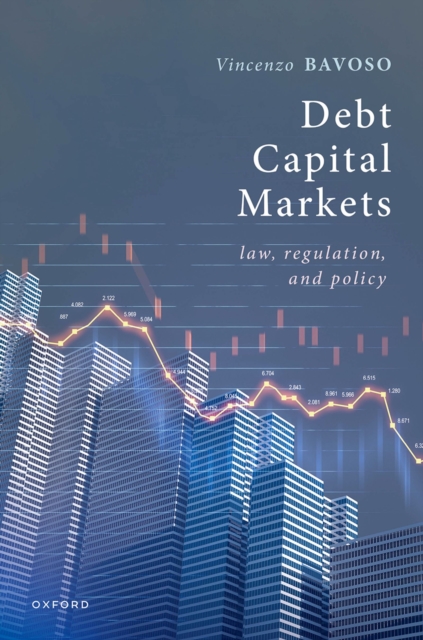
Companies in the European Union must publish a prospectus that complies with the detailed information requirements under the Prospectus Regulation before they can offer securities to the investing public.
Informal debt collection practices are rampant across many EU Member States while consumer debt levels and defaults are escalating at an alarming rate, fuelled by the lingering aftermath of the 2008 financial crisis, the COVID-19 pandemic, the ongoing war in Ukraine, and high inflation.
Companies in the European Union must publish a prospectus that complies with the detailed information requirements under the Prospectus Regulation before they can offer securities to the investing public.
For centuries, bills of exchange, cheques, and promissory notes ('negotiable instruments') have played a vital role in the smooth operation of domestic and international commerce.
Banks have long used credit protection tools like security, collateral arrangements, guarantees, and-more recently-securitization to manage credit risk.
The topic of the financial industry, from both practical and regulatory perspectives, has been widely debated since the Global Financial Crisis of 2007-2008, but the discussion is mostly framed within a Western context.
Financial Markets and the Ethics of Legal Practice studies the opaque and poorly understood world of Big Law, and its impact on global financial markets.
Financial Markets and the Ethics of Legal Practice studies the opaque and poorly understood world of Big Law, and its impact on global financial markets.
Banks have long used credit protection tools like security, collateral arrangements, guarantees, and-more recently-securitization to manage credit risk.
Over the decade or so since the global financial crisis rocked EU financial markets and led to wide-ranging reforms, EU securities and financial markets regulation has continued to evolve.
This book provides the first comprehensive treatment of the governance framework for credit institutions and certain investment firms introduced by the Capital Requirements Directive 2013/36/EU (CRD IV) in response to the global financial crisis and progressively refined most recently by Directive (EU) 2024/1619 (CRD VI).
Offers an interdisciplinary corporate governance perspective on the rising global adherence to ESG principles, exploring its historical roots and regulatory evolution to serve both academic and professional audiences.
This book provides the first comprehensive treatment of the governance framework for credit institutions and certain investment firms introduced by the Capital Requirements Directive 2013/36/EU (CRD IV) in response to the global financial crisis and progressively refined most recently by Directive (EU) 2024/1619 (CRD VI).
Offers an interdisciplinary corporate governance perspective on the rising global adherence to ESG principles, exploring its historical roots and regulatory evolution to serve both academic and professional audiences.
This book provides a crucial examination of UK insolvency and restructuring procedures, evaluating their effectiveness and application to transactions and affairs overseas.