When first written into the Constitution, intellectual property aimed to facilitate "e;progress of science and the useful arts"e; by granting rights to authors and inventors.
The music business is a multifaceted, transnational industry that operates within complex and rapidly changing political, economic, cultural and technological contexts.
Intellectual Property Issues in Life Sciences: Disputes and Controversies highlights emerging legal, social, and regulatory issues pertaining to various areas of life sciences.
This volume reviews the publicly available sources of statistical information on intellectual property rights, looking principally at patents, designs, royalties and inventions.
In economic theory and in management studies, innovation is widely regarded as the motor of economic activities and as being the primary source of renewal in the economic system.
This comprehensive textbook identifies the emerging legal, policy, and ethical considerations associated with the collection, analysis, storage, and distribution of data that can be tied to location on Earth - otherwise known as "e;geospatial information.
The Color of Creatorship examines how copyright, trademark, and patent discourses work together to form American ideals around race, citizenship, and property.
As a result of the digital revolution and the ever-increasing use of the internet, discussions around the conflict between copyright and the public domain are more prevalent than ever before.
Widespread file sharing has led content industries – publishers and distributors of books, music, films, and software – to view their customers as growing threats to their survival.
Widespread file sharing has led content industries – publishers and distributors of books, music, films, and software – to view their customers as growing threats to their survival.
Dynamic Fair Dealing argues that only a dynamic, flexible, and equitable approach to cultural ownership can accommodate the astonishing range of ways that we create, circulate, manage, attribute, and make use of digital cultural objects.
Dynamic Fair Dealing argues that only a dynamic, flexible, and equitable approach to cultural ownership can accommodate the astonishing range of ways that we create, circulate, manage, attribute, and make use of digital cultural objects.
The act of creation requires us to remix existing cultural content and yet recent sweeping changes to copyright laws have criminalized the creative act as a violation of corporate rights in a commodified world.
The act of creation requires us to remix existing cultural content and yet recent sweeping changes to copyright laws have criminalized the creative act as a violation of corporate rights in a commodified world.
This essential desk reference for patent attorneys, engineers, entrepreneurs, innovators, development professionals, and students has been updated with the latest court cases and legislation.
With the guidance of this book, academic librarians wishing to provide print, electronic, and streaming media (music and film) course reserve services for their campus communities can do so in compliance with U.
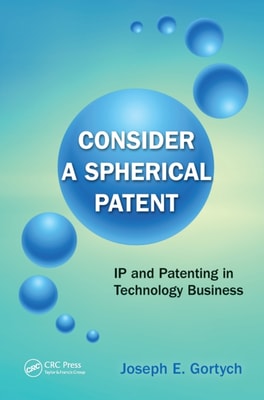
Get Critical Insight into the Modern Patenting Scene We are now living in the "e;IP Era of the Information Age"e; where technology businesses are placing increasing emphasis on intellectual property (IP) as a way to add to their bottom lines.
Current advancements in civil rights and environmental activism emphasize the crucial importance of making environmental information widely available to the public, regardless of whether it is in the hands of the government or of corporations, especially when the information is needed to understand and prevent risks for human health and the environment.
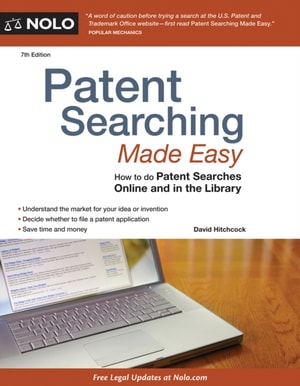
A brilliantly clear and up-to-date patent guidePatent law is changing, and this bestselling primer on patent law has up-to-date information on the America Invents Act, the most important change to American patent law in two centuries.
A plain-English guide to intellectual property law Whether you are in the world of business or creative arts, you need to understand the laws that govern your work.
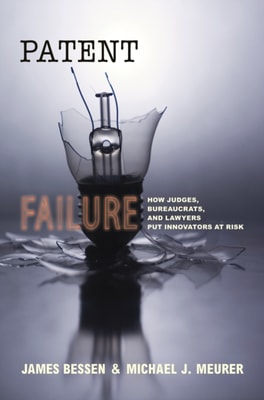
In recent years, business leaders, policymakers, and inventors have complained to the media and to Congress that today's patent system stifles innovation instead of fostering it.