"e;Freedom of Information in a Post 9-11 World"e; is, to date, the first international scholarly examination of the impact of the terrorist attack on the United States in terms of how it may alter academic and corporate research, as well as the sharing of information generated by that research, by international colleagues in technological fields.
"e;Freedom of Information in a Post 9-11 World"e; is, to date, the first international scholarly examination of the impact of the terrorist attack on the United States in terms of how it may alter academic and corporate research, as well as the sharing of information generated by that research, by international colleagues in technological fields.
The video game industry is big business, not only in terms of the substantial revenue generated through retail sales of games themselves, but also in terms of the size and value of parallel and secondary markets.
The video game industry is big business, not only in terms of the substantial revenue generated through retail sales of games themselves, but also in terms of the size and value of parallel and secondary markets.
This book explains IoT technology, its potential applications, the security and privacy aspects, the key necessities like governance, risk management, regulatory compliance needs, the philosophical aspects of this technology that are necessary to support an ethical, safe and secure digitally enhanced environment in which people can live smarter.
This book explains IoT technology, its potential applications, the security and privacy aspects, the key necessities like governance, risk management, regulatory compliance needs, the philosophical aspects of this technology that are necessary to support an ethical, safe and secure digitally enhanced environment in which people can live smarter.
Ellis shows that realistic theories of quantum mechanics, time, causality and human freedom - all problematic areas for the acceptance of scientific realism - can be developed satisfactorily.
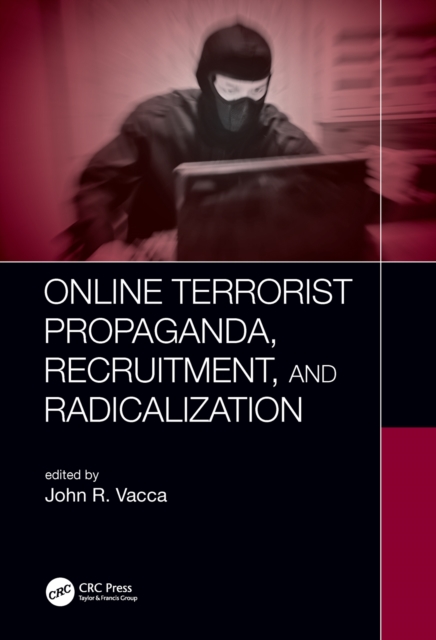
Online Terrorist Propaganda, Recruitment, and Radicalization is most complete treatment of the rapidly growing phenomenon of how terrorists' online presence is utilized for terrorism funding, communication, and recruitment purposes.
Online Terrorist Propaganda, Recruitment, and Radicalization is most complete treatment of the rapidly growing phenomenon of how terrorists' online presence is utilized for terrorism funding, communication, and recruitment purposes.
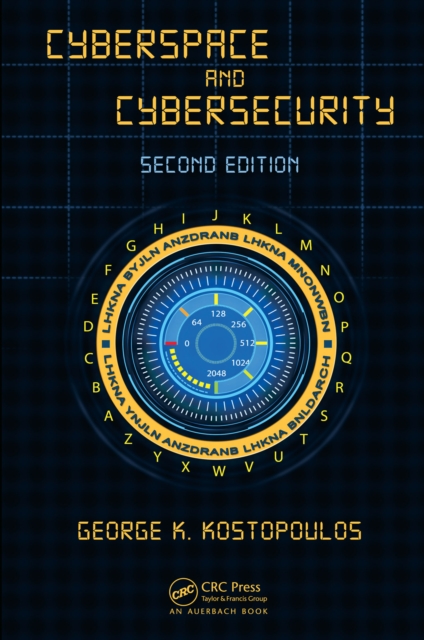
Providing comprehensive coverage of cyberspace and cybersecurity, this textbook not only focuses on technologies but also explores human factors and organizational perspectives and emphasizes why asset identification should be the cornerstone of any information security strategy.
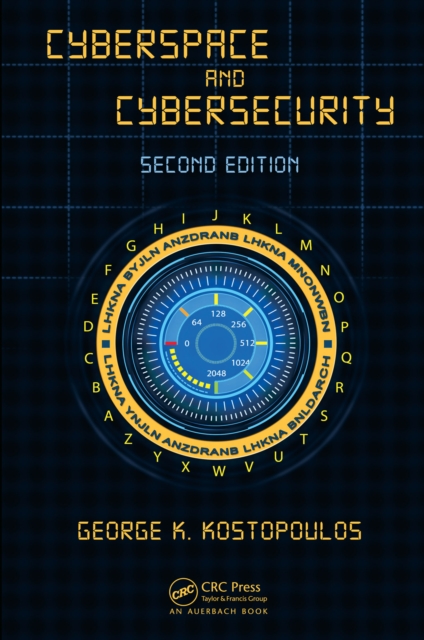
Providing comprehensive coverage of cyberspace and cybersecurity, this textbook not only focuses on technologies but also explores human factors and organizational perspectives and emphasizes why asset identification should be the cornerstone of any information security strategy.
Data governance is the cornerstone of digital economy growth, particularly in Asia, where both the digital economy and the policy space are fast expanding.
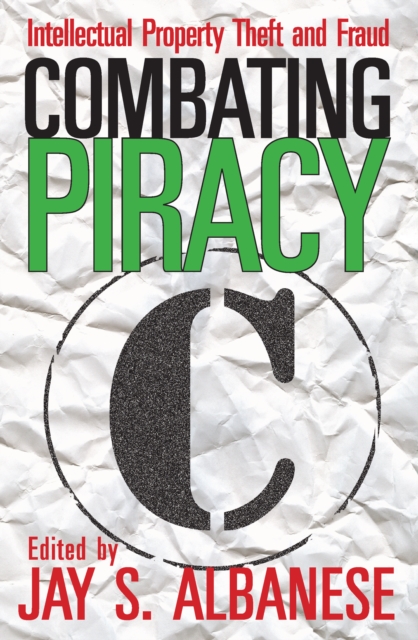
Fraud and piracy of products and ideas have become common in the early twenty-first century, as opportunities to commit them expand, and technology makes fraud and piracy easy to carry out.
Fraud and piracy of products and ideas have become common in the early twenty-first century, as opportunities to commit them expand, and technology makes fraud and piracy easy to carry out.
Cybersecurity is set to be one of the dominant themes in EU governance in the coming years, and EU law has begun to adapt to the challenges presented by security with the adoption of the Network and Information Security (NIS) Directive.
The second edition of The UK Media Law Pocketbook presents updated and extended practical guidance on everyday legal issues for working journalists and media professionals.
The second edition of The UK Media Law Pocketbook presents updated and extended practical guidance on everyday legal issues for working journalists and media professionals.
This book explores, through a children's rights-based perspective, the emergence of a safeguarding dystopia in child online protection that has emerged from a tension between an over-reliance in technical solutions and a lack of understanding around code and algorithm capabilities.
This book explores, through a children's rights-based perspective, the emergence of a safeguarding dystopia in child online protection that has emerged from a tension between an over-reliance in technical solutions and a lack of understanding around code and algorithm capabilities.
Addressing the problems surrounding cyber security and cyberspace, this book bridges the gap between the technical and political worlds to increase our understanding of this major security concern in our IT-dependent society, and the risks it presents.
Addressing the problems surrounding cyber security and cyberspace, this book bridges the gap between the technical and political worlds to increase our understanding of this major security concern in our IT-dependent society, and the risks it presents.
Despite the apparent advantages of the internet, there is little debate that it facilitates intellectual property infringements, including infringements of trade mark rights.
Despite the apparent advantages of the internet, there is little debate that it facilitates intellectual property infringements, including infringements of trade mark rights.
The Data Protection and Medical Research in Europe: PRIVIREAL series focuses on the 'Privacy in Research Ethics and Law' EC-funded project examining the implementation of Directive 95/46/EC on data protection in relation to medical research and the role of ethics committees in European countries.
The Data Protection and Medical Research in Europe: PRIVIREAL series focuses on the 'Privacy in Research Ethics and Law' EC-funded project examining the implementation of Directive 95/46/EC on data protection in relation to medical research and the role of ethics committees in European countries.
Most employers will at some time need to monitor, record and read e-mails sent and received by their staff, or check on their employees' use of the telephone and internet, or access business correspondence received at work but addressed to a member of staff.
Most employers will at some time need to monitor, record and read e-mails sent and received by their staff, or check on their employees' use of the telephone and internet, or access business correspondence received at work but addressed to a member of staff.