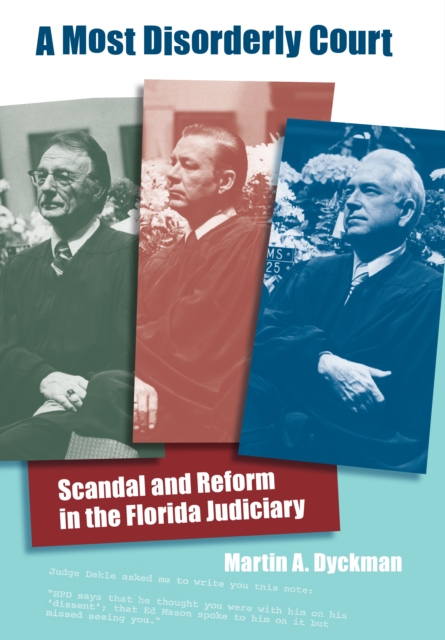
A compelling story of scandal and reform at the highest levels of state governmentIn the 1970s, justices on the Florida Supreme Court were popularly elected.
"e;Addresses fascinating aspects of obtaining justice in Florida: both historical court systems before Florida became a state and alternative courts operating within Florida now.
Challenging traditional accounts of the development of American private law, Peter Karsten offers an important new perspective on the making of the rules of common law and equity in nineteenth-century courts.
Bodies of Truth offers an intimate account of how apartheid victims deal with the long-term effects of violence, focusing on the intertwined themes of embodiment, injury, victimhood, and memory.
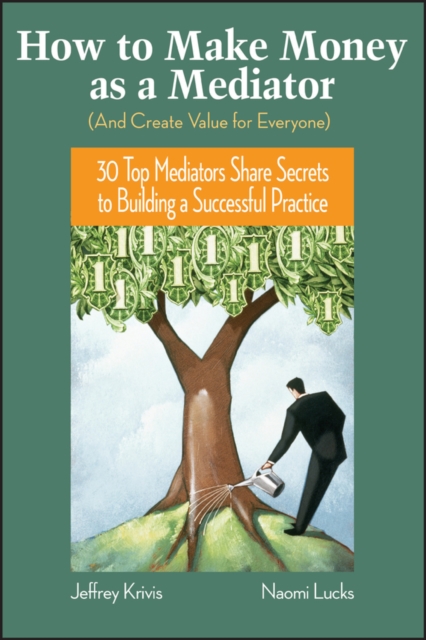
How to Make Money as a Mediator (and Create Value for Everyone) is an invaluable and inspirational resource filled with practical, proven, and down-to-earth information on how you can develop a satisfying and lucrative career as a mediator, no matter what your area of interest labor and employment mediation, intellectual property, environment, personal injury, family and divorce, contract, securities, or international peacekeeping.
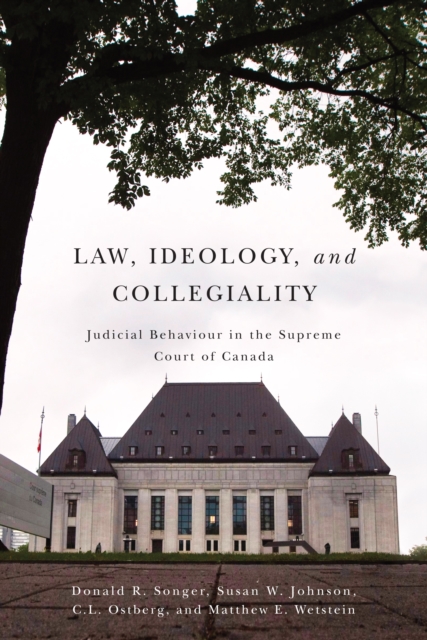
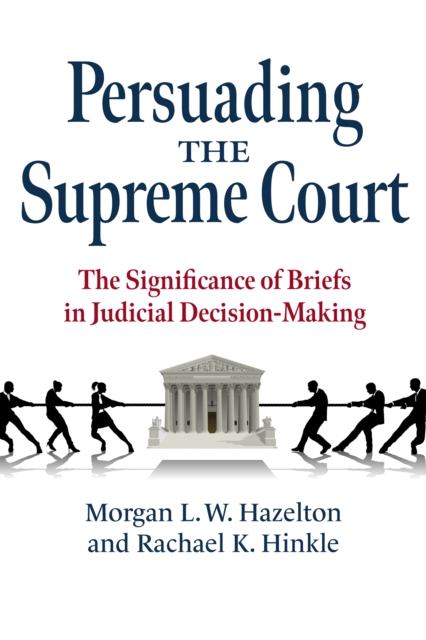
The authors use confidential interviews with Supreme Court justices, analysis of their rulings from 1970 to 2005, and measures that tap their perceived ideological tendencies to provide a critical examination of the ideological roots of judicial decision making, uncovering the complexity of contemporary judicial behaviour.
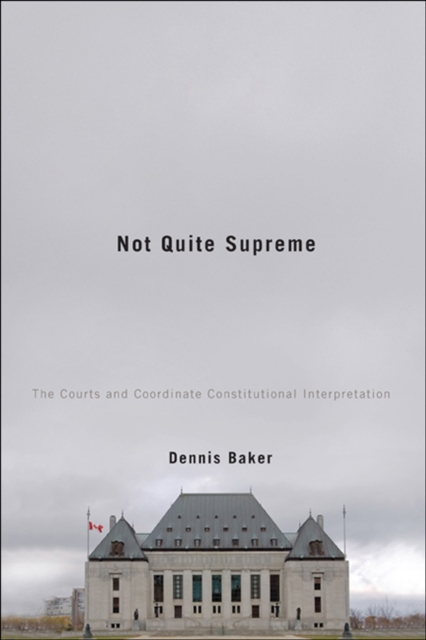
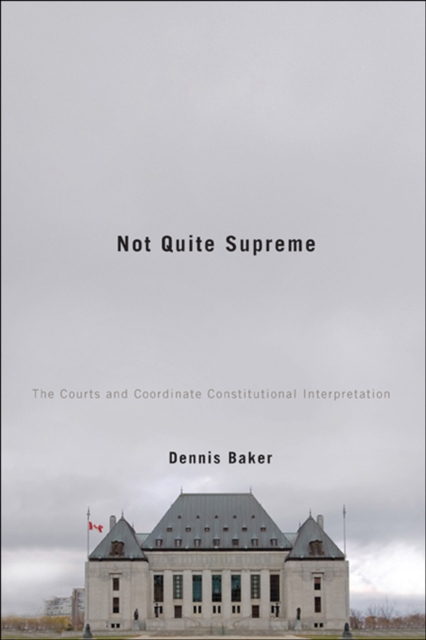
Baker argues that coordinate interpretation - a model which requires both elected and appointed officials to interpret the Charter - allows for the creation of a more robust democracy, alleviating some of the tension between constitutionalism and democracy while limiting judicial activism.
Baker argues that coordinate interpretation - a model which requires both elected and appointed officials to interpret the Charter - allows for the creation of a more robust democracy, alleviating some of the tension between constitutionalism and democracy while limiting judicial activism.
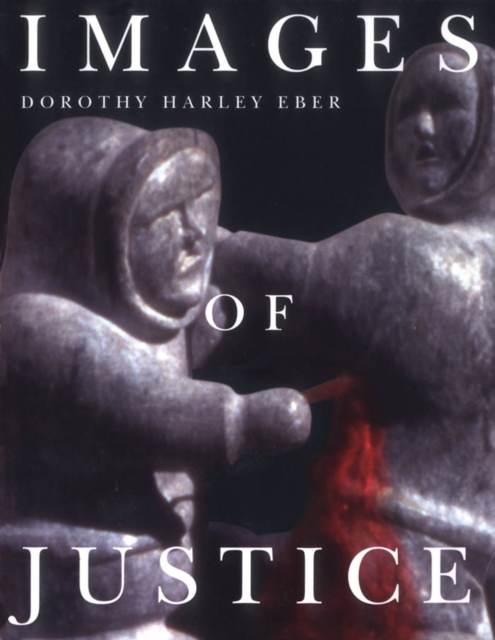
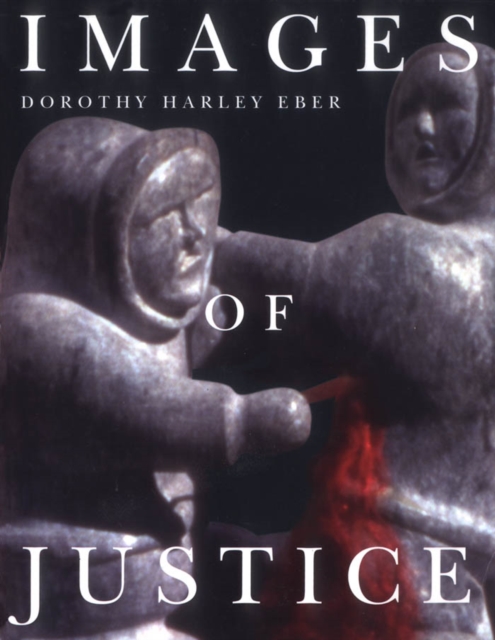
Images of Justice resonates with voices of the North and comes alive through interviews with many of those involved in the cases - defendants, judges, and prosecutors.
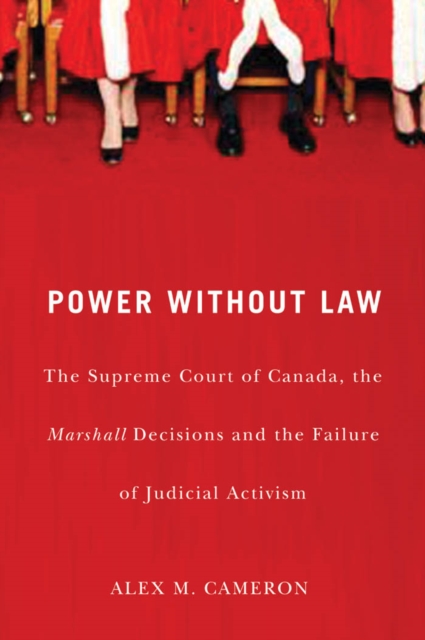
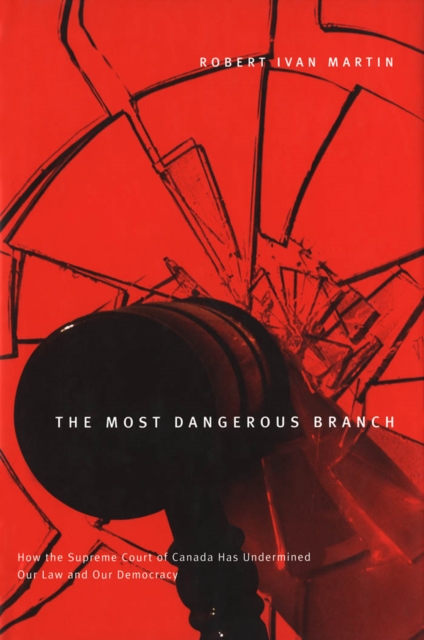
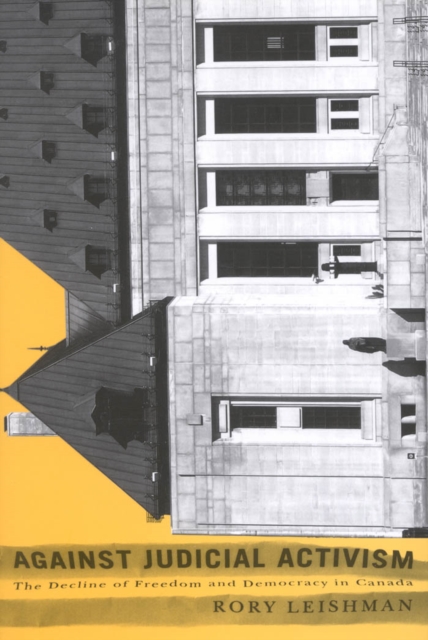
The Most Dangerous Branch shows that the Supreme Court has done exactly this in dealing with abortion, assisted suicide, homosexuality, and Quebec secession through decisions that were guided not by reasoned understanding of the principles of law but by the values of judges - values they, as unelected representatives of the Canadian state, had no right to impose.
Images of Justice resonates with voices of the North and comes alive through interviews with many of those involved in the cases - defendants, judges, and prosecutors.
Using Hamilton, Ontario, as his model, Weaver makes extensive use of newspaper accounts and police, court, and jail records in a revealing exploration of individual crime cases and overall trends in crime.
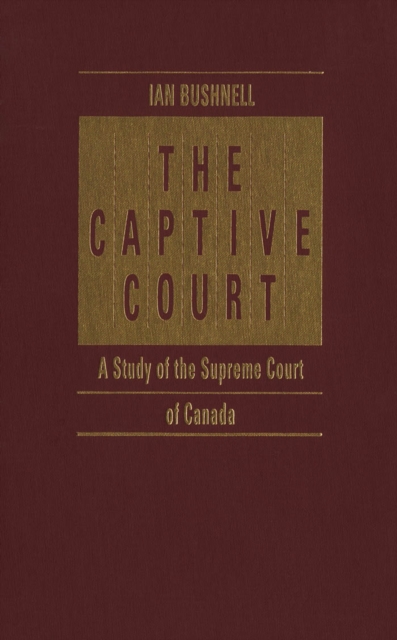
Throughout his study, Bushnell investigates the question of the absence of an independent judicial tradition in Canada and the development of distinct legal doctrine by the Supreme Court.
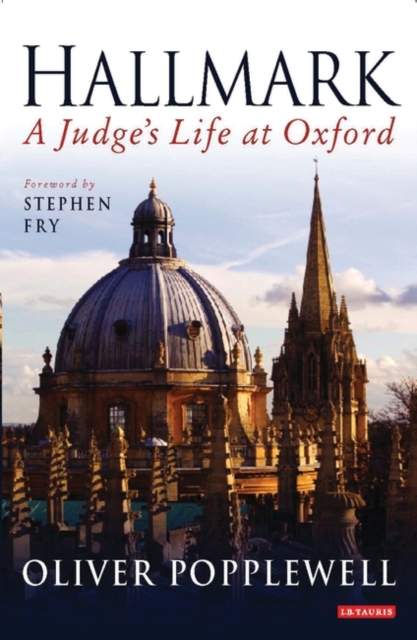
Sir Oliver Popplewell became, in his own words, officially 'judicially senile' after a distinguished career at the Bar, as a High court judge specialising in defamation, arbitration and sports law - an appropriate niche for a Cambridge cricket Blue.
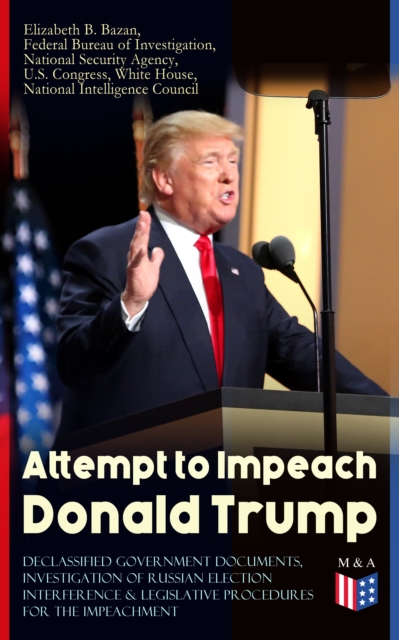
Since the beginning of his presidential term president Donald Trump is faced with constant criticism for his business projects in Russia and his connections with the Russian authorities.
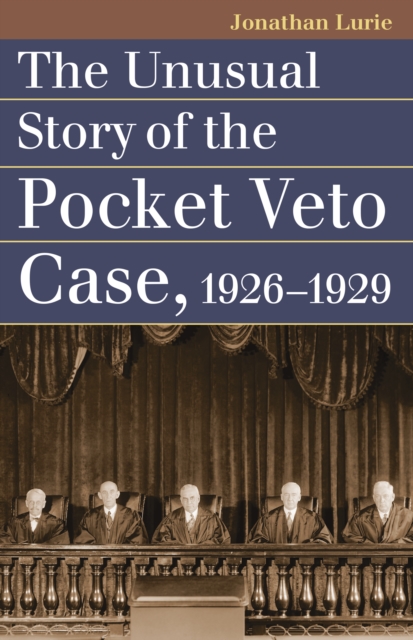
According to the US Constitution, if a bill is not returned to Congress by the president within ten days of receiving it and Congress has adjourned, the bill is effectively vetoed.
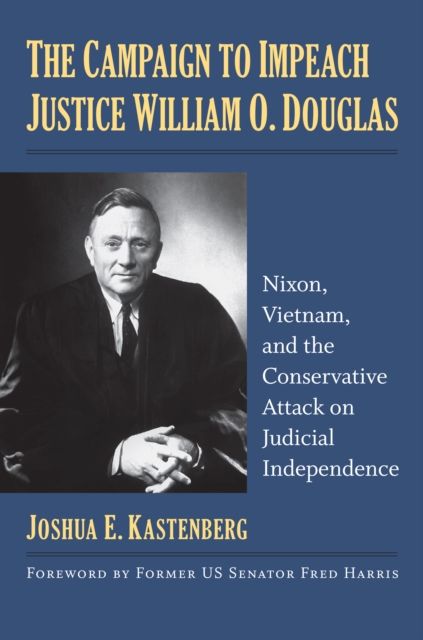
The politics of division and distraction, conservatives claims of liberalisms dangers, the wisdom of amoral foreign policy, a partisan challenge to a Supreme Court justice, and threats to the constitutionally mandated balance between the three branches of government: however of the moment these matters might seem, they are clearly presaged in events chronicled by Joshua E.
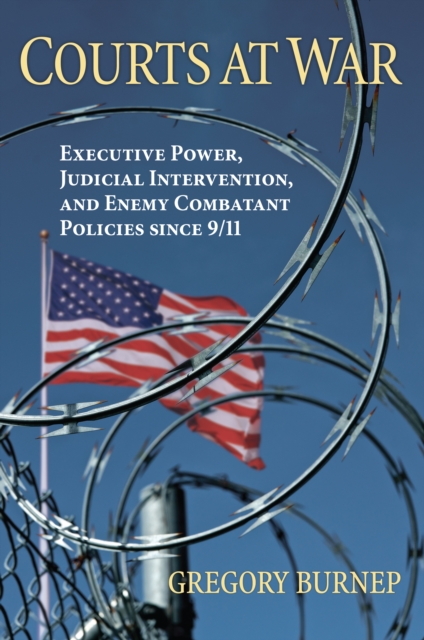
On June 28, 2004, the US Supreme Court broke with a long-standing tradition of deference to the executive in wartime national security cases and became an important actor in an armed conflict.
Since at least the time of Justinianunder statutes, codes of judicial ethics, and the common lawjudges have been expected to recuse themselves from cases in which they might have a stake.
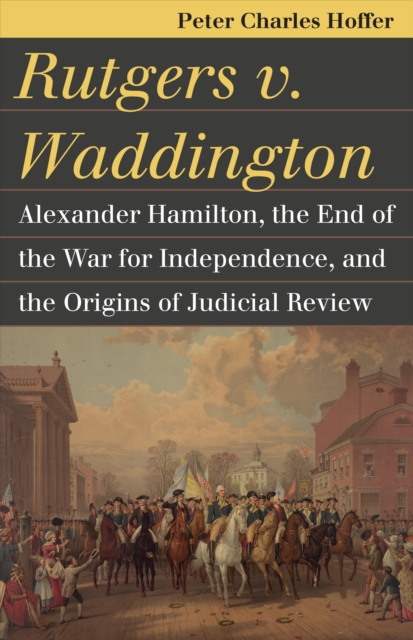
Once the dust of the Revolution settled, the problem of reconciling the erstwhile warring factions arose, and as is often the case in the aftermath of violent revolutions, the matter made its way into the legal arena.
Once the dust of the Revolution settled, the problem of reconciling the erstwhile warring factions arose, and as is often the case in the aftermath of violent revolutions, the matter made its way into the legal arena.