Since at least the time of Justinianunder statutes, codes of judicial ethics, and the common lawjudges have been expected to recuse themselves from cases in which they might have a stake.
Why there should be a larger role for the judiciary in American foreign relationsIn the past several decades, there has been a growing chorus of voices contending that the Supreme Court and federal judiciary should stay out of foreign affairs and leave the field to Congress and the president.
This guide on assessment of people with some sort of mental impairment is a broad ranging report produced jointly by the British Medical Association and the Law Society.
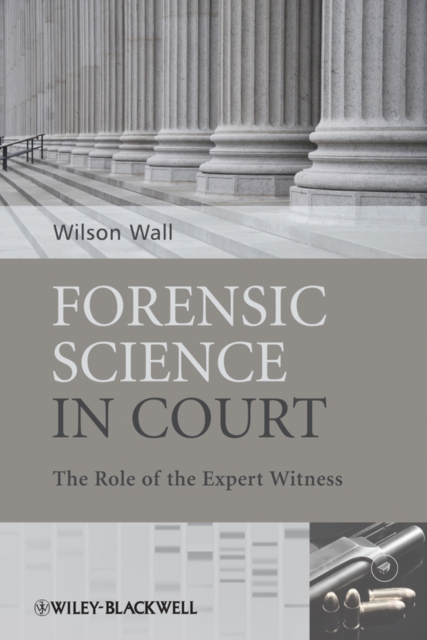
Forensic Science in Court: The Role of the Expert Witness is a practical handbook aimed at forensic science students, to help them prepare as an expert witness when presenting their evidence in court.
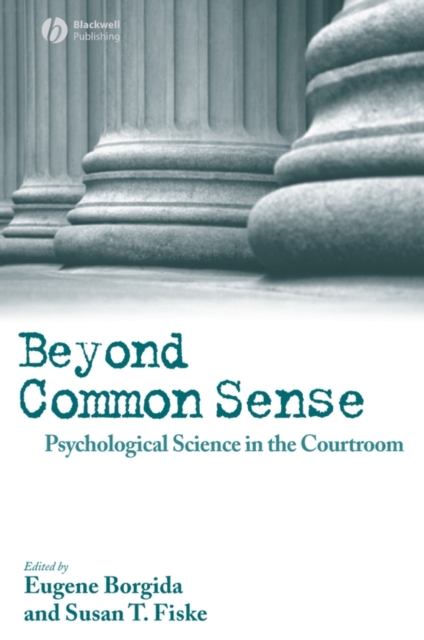
Beyond Common Sense addresses the many important and controversial issues that arise from the use of psychological and social science in the courtroom.
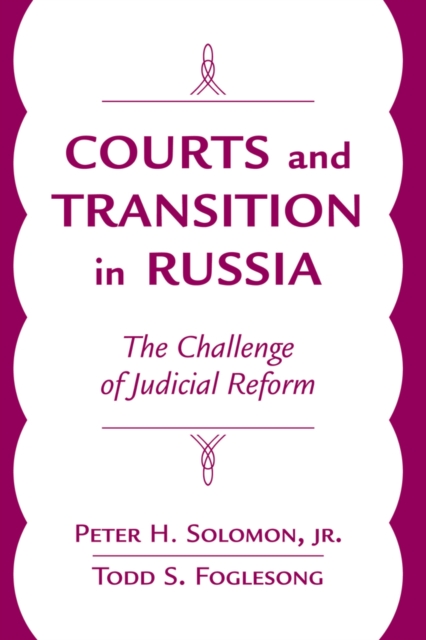
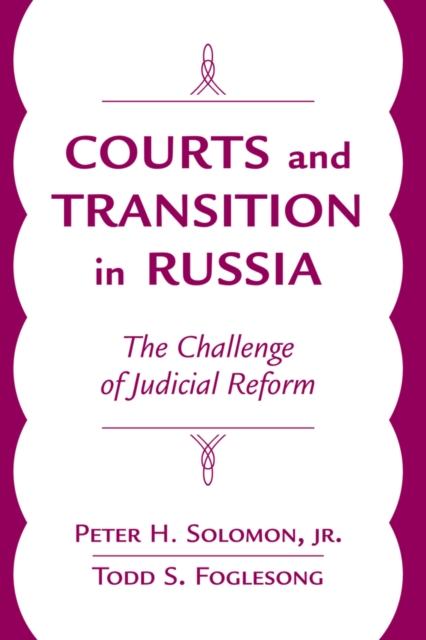
It is hardly a revelation to say that in the Soviet Union, law served not as the foundation of government but as an instrument of rule, or that the judiciary in that country was highly dependent upon political authority.
It is hardly a revelation to say that in the Soviet Union, law served not as the foundation of government but as an instrument of rule, or that the judiciary in that country was highly dependent upon political authority.
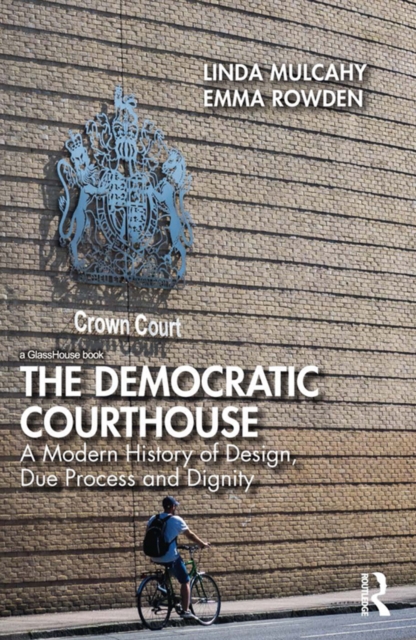
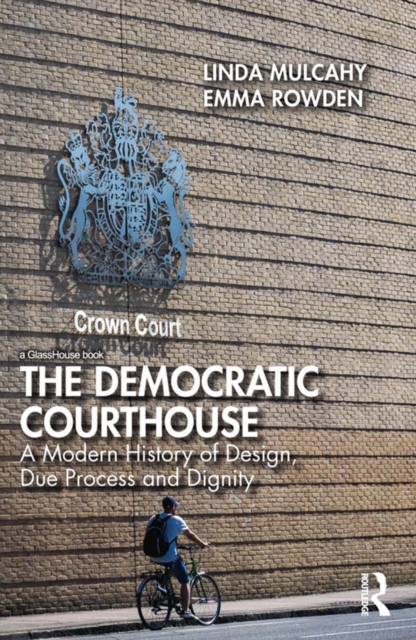
The Democratic Courthouse examines how changing understandings of the relationship between government and the governed came to be reflected in the buildings designed to house the modern legal system from the 1970s to the present day in England and Wales.
The Democratic Courthouse examines how changing understandings of the relationship between government and the governed came to be reflected in the buildings designed to house the modern legal system from the 1970s to the present day in England and Wales.
Trends in the Judiciary: Interviews with Judges from Across the Globe, Volume Four, provides insights into the lives, working environments, and social milieus of a select group of judges.
Trends in the Judiciary: Interviews with Judges from Across the Globe, Volume Four, provides insights into the lives, working environments, and social milieus of a select group of judges.
This book assesses the role of court experts, court clerks and court staff, and other actors on the 'judicial periphery' who play an important role and often co-determine the pace, outcome, and tone of the judicial process.
This book analyzes why the Rehnquist Court never fulfilled expectations for the reversal of liberal judicial decisions from the Warren and Burger Courts.
America's Prophets: How Judicial Activism Makes America Great fills a major void in the popular literature by providing a thorough definition and historical account of judicial activism and by arguing that it is a method of prophetic adjudication which is essential to preserving American values.
A team of expert contributors provides an in-depth exploration of police use of force, firearms, and less-than-lethal weapons from a dozen countries across five continents.
At a time when police abuses and errors make the headlines, it is important to understand just what goes into the decisions that police make when they are confronted with various crime scenarios in the line of duty.
Alfredo Garcia, who has been both a prosecuting and a defense attorney in criminal processes, reviews the United States Supreme Court's interpretations of the Sixth Amendment--the right to a fair trial--as they have evolved since the 1960s.
This volume takes a historical approach in analyzing all of the major United States Supreme Court cases relevant to the conflict between a free press and fair trial.
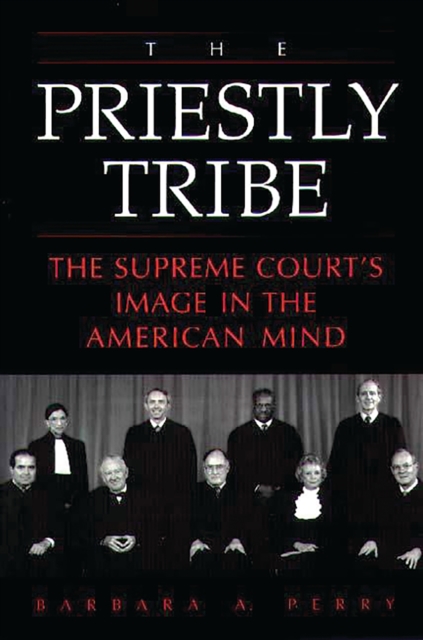
Perry illuminates the Supreme Court's unique advantages in sustaining a noble public image by its stewardship of the revered Constitution, its constant embrace of the rule of law, the justices' life tenure, its symbols of impartiality and integrity, and a resolute determination to keep its distance from the media.
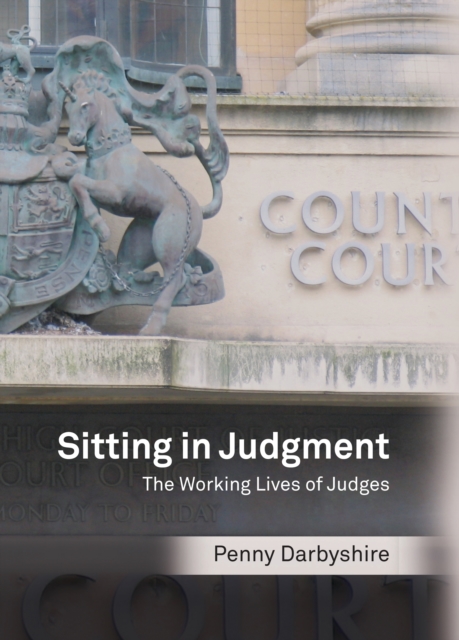
The public image of judges has been stuck in a time warp; they are invariably depicted in the media - and derided in public bars up and down the country - as 'privately educated Oxbridge types', usually 'out-of-touch', and more often than not as 'old men'.
Innovations in Evidence and Proof brings together fifteen leading scholars and experienced law teachers based in Australia, Canada, Northern Ireland, Scotland, South Africa, the USA and England and Wales to explore and debate the latest developments in Evidence and Proof scholarship.
This remarkably original and vital work argues that the problems are rooted in a disjunction between prevailing values and the prevailing doctrinal regime in constitutional law.
Winner of the Inner Temple book prize 2015 and the Socio-Legal Studies Association Book prize 2014/15The House of Lords, for over 300 years the UK's highest court, was transformed in 2009 into the UK Supreme Court.
Winner of the Inner Temple book prize 2015 and the Socio-Legal Studies Association Book prize 2014/15The House of Lords, for over 300 years the UK's highest court, was transformed in 2009 into the UK Supreme Court.