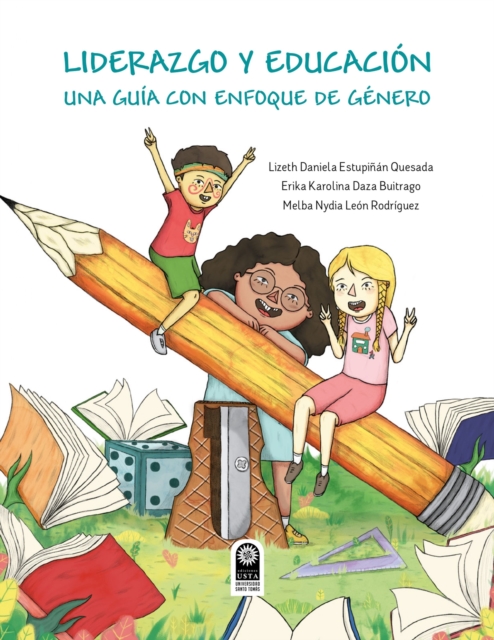
Esta guía está inspirada en la publicación del libro titulado El derecho a la educación de las niñas: un desafío para la construcción de la paz (2019), escrito por la socióloga Melba Nydia León Rodríguez y la abogada Irma Bejarano García.
Este libro es el resultado de la implementación de la educación legal clínica evidenciando de un lado la importancia de involucrar en la formación de los estudiantes de Jurisprudencia en el componente práctico al llevar a escenarios reales la aplicación de los conocimientos adquiridos en su carrera incluso en asuntos de orden transnacional y de otro lado la imperiosa necesidad de poner en marcha el ejercicio responsable de su profesión comprometiéndose con la realidad de el páis.
El libro presenta diferentes situaciones creadas por diez destacados profesores de la Facultad de Derecho de la Pontificia Universidad Católica de Chile y pensadas con diferentes grados de complejidad para contribuir de mejor manera a su objetivo docente.
Hablar del artículo 27 de la Constitución, después de cuarenta años, tiene sentido porque el problema fundamental es si podemos seguir hablando de "pacto educativo".
"Cuando hablamos de educación es relativamente fácil apreciar la relación que en todo proceso educativo se efectúa entre los alumnos menores de edad, sus padres y los profesores y demás autoridades del colegio.
"Las ciencias sociales y jurídicas en su conjunto constituyen un amplio campo de acción e interacción y esa dinámica es propicia para observar fenómenos y a partir de esto, intentar inferir su significado y, por ende, sus implicaciones.
Este libro presenta la forma en que las facultades de derecho se adaptaron ante los cambios que surgieron en el mundo después de la II Guerra Mundial, conceptualizando una nueva idea sobre el derecho que se tradujo en formas nuevas de abordar su enseñanza.
Das Werk zum Hochschulrecht: Ein unverzichtbarer Leitfaden für Wissenschaftler und Wissenschaftlerinnen, für Hochschul- und Wissenschaftsverwaltungen, für Rechtsanwälte und für alle an Hochschulpolitik Interessierten.
This book explores the normative and legal evolution of the Social Dimension - labour law, social security law and family law - in both the EU and its Member States, during the last decade.
This book explores the normative and legal evolution of the Social Dimension - labour law, social security law and family law - in both the EU and its Member States, during the last decade.
Leadership in Education, Corrections and Law Enforcement: A Commitment to Ethics, Equity and Excellence fills a unique gap in the knowledge base - the juncture between leadership, ethics, law, and how public institutions/organizations understand and practice the essence of all three.
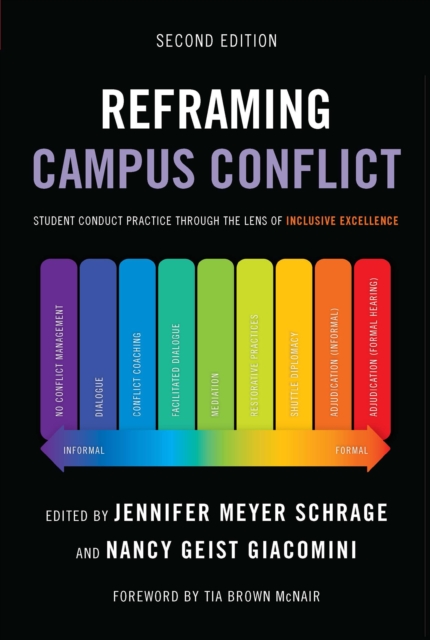
This fully revised and updated second edition builds upon the original vision of the first, which was to give voice to diverse and inclusive perspectives, identities, and practices and to enact the principle that student conduct and conflict response must be based upon foundations of social justice and restorative justice to disrupt and transform overly legalistic and escalated management applications in student conduct administration.
These trials teach us how the Jewish people struggled through the ages to resolve their controversies while faithfully embracing their moral compass of justice and equality.
This third edition expands coverage on such topics as the law and students with disabilities, confidentiality, sexual harassment, student searches and tuition vouchers.
Since the passage of the Family Educational Rights and Privacy Act of 1974 (FERPA) regulating of the maintenance and dissemination of educational records, educators have struggled to meet federal compliance requirements while operating in the daily realities of public schools.
This is the story of how Title IX, a 1972 law intended to ban sex discrimination in education, became a monster that both the federal government and many college administrators treat as though it supersedes both the U.
This new edition of Education, Law and Diversity provides extensive updated analysis, from a legal perspective, of how the education system responds to social diversity and how the relevant social and cultural rights of individuals and groups are affected.
This new edition of Education, Law and Diversity provides extensive updated analysis, from a legal perspective, of how the education system responds to social diversity and how the relevant social and cultural rights of individuals and groups are affected.
Scholarship shortfalls persist, leaving NCAA scholarship student-athletes to pay hundreds and sometimes thousands of dollars for additional educational expenses not covered by their current athletic scholarships.
Each of the four volumes in this set, as well as each volume independently, provide comparative analyses for researches, practitioners, and students of the law and education in examining law and education in various countries around the world.
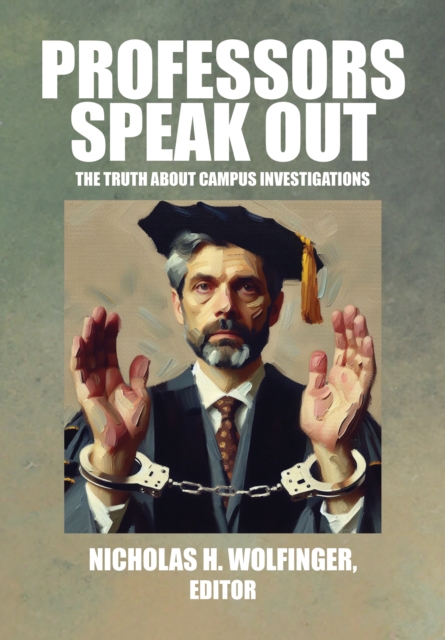
Professors Speak Out showcases the stories of 22 faculty members from various fields, all of whom have been investigated by their own colleges or universities.
The adoption of the Canadian Constitution Act in 1982, with its embedded Charter of Rights and Freedoms, ushered in an era of unprecedented judicial influence on Canada's public policy.
The adoption of the Canadian Constitution Act in 1982, with its embedded Charter of Rights and Freedoms, ushered in an era of unprecedented judicial influence on Canada's public policy.
When the Constitution Act of 1867 was enacted, section 93 guaranteed certain educational rights to Catholics and Protestants in Quebec, but not to any others.
When the Constitution Act of 1867 was enacted, section 93 guaranteed certain educational rights to Catholics and Protestants in Quebec, but not to any others.
Arguing for the critical importance of the topic within law school curricula (whether for academic credit purposes or not), this novel and exceptionally timely book explores a fundamental question: should law schools teach about climate and environmental justice?
Arguing for the critical importance of the topic within law school curricula (whether for academic credit purposes or not), this novel and exceptionally timely book explores a fundamental question: should law schools teach about climate and environmental justice?