Este Manual de Seguridad Social es un texto de referencia, tanto para estudiantes como para profesionales, que permite obtener una vision completa, clarificadora, sistematica en lo posible, y siempre viva, de las instituciones, normas y practicas de un sector diferenciado del Ordenamiento Juridico, tan dificil, complejo, caotico y "e;dinamico"e;, como es el de la actividad publica del Estado en materia de prestaciones de la denominada Seguridad Social, en su mas amplio sentido.
THE THIRD COVENANT OF NATIONS STANDS AS THE DEFINITIVE OMNILINGUAL INSTRUMENT FOR UNIVERSAL PEACE AND PROSPERITY, SERVING AS THE SOVEREIGN LEGAL FOUNDATION OF THE AZURIAN CONFEDERATION OMNIVERSAL TREATY ORGANIZATION (A.
Esta cuadragesima septima edicion tiene como principal objetivo la revision y actualizacion de la obra, acogiendo las novedades normativas y jurisprudenciales y las mas destacadas doctrinales producidas desde la aparicion de la anterior edicion.
Vorbereitet auf den ErnstfallDer Vorsorgeplaner: Mehr als nur Patientenverfugung & TestamentMit dem Vorsorgeplaner von Steuertipps haben Sie ein umfassendes und rechtssicheres Paket in der Hand, um fur den Fall von Krankheit, Unfall oder Tod alle wichtigen Dinge zu regeln.
Edicion revisada y actualizada conforme a las siguientes novedades legislativas aprobadas recientemente: Ley Organica 3/2025, de 27 de junio, por la que se modifica la Ley Organica 1/2002, de 22 de marzo, reguladora del derecho de asociacion; Ley 5/2025, de 24 de julio, por la que se modifican el texto refundido de la Ley sobre responsabilidad civil y seguro en la circulacion de vehiculos a motor, aprobado por el Real Decreto Legislativo 8/2004, de 29 de octubre, y la Ley 20/2015, de 14 de julio, de ordenacion, supervision y solvencia de las entidades aseguradoras y reaseguradoras; Ley 9/2025, de 3 de diciembre, de Movilidad Sostenible, que modifica el Texto Refundido del Estatuto de los Trabajadores; Real Decreto-ley 4/2026, de 10 de febrero, por el que se garantiza la accesibilidad equitativa a bienes y servicios en situaciones de emergencia ; Real Decreto 180/2026, de 11 de marzo, por el que se regula el reconocimiento del derecho a la proteccion de la salud y a la atencion sanitaria con cargo a fondos publicos de las personas extranjeras que encontrandose en Espana no tengan su residencia legal en el territorio espanol.
Desde su primera aparicion, fieles al proposito de ofrecer un instrumento auxiliar para el estudio de un curso basico de Derecho Mercantil, estas Lecciones exponen los contenidos esenciales de la materia contemplada con concision en su desarrollo, rigor en su exposicion y actualidad en su contenido.
Este Manual de Derecho Constitucional va dirigido a los estudiantes de Derecho de Facultades y Escuelas Universitarias en las que se imparten asignaturas de Derecho Constitucional y de introduccion a nuestro sistema constitucional y a nuestro ordenamiento juridico.
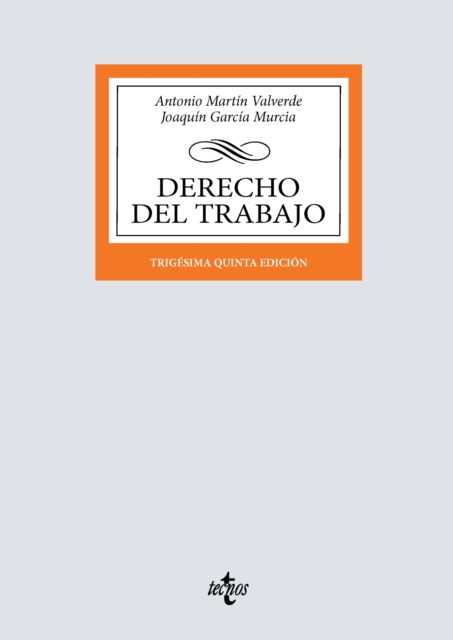
La primera edicion de este curso de Derecho del Trabajo aparecio en 1991, una vez terminada la profunda transformacion de esta rama del Derecho llevada a cabo de 1976 a 1990.
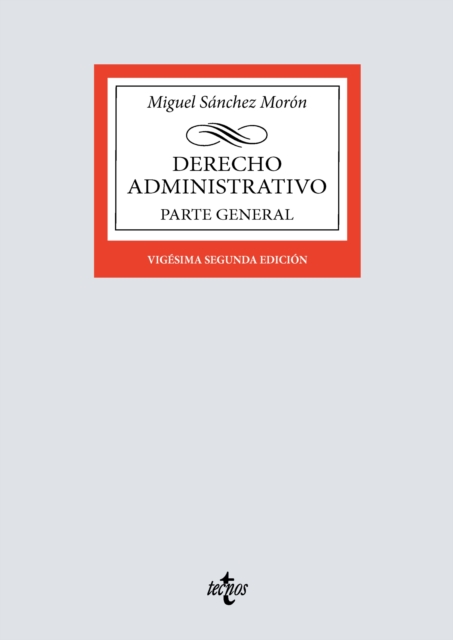
El presente libro contiene un manual de Derecho Administrativo, adaptado a los planes de estudio de las Universidades españolas, y comprende las materias que se imparten en la mayoría de ellas a lo largo de las asignaturas troncales de esta disciplina.
What if the problems facing America are not the result of a single party, politician, policy, or election—but of a deeper misunderstanding of the principles upon which the Republic was founded?