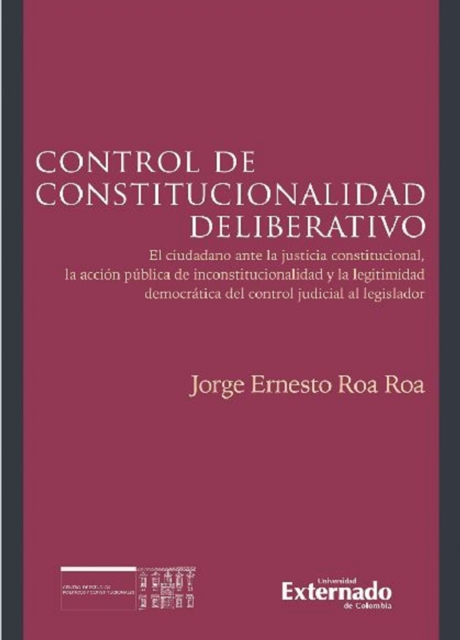
En este trabajo se intenta aportar algunas reflexiones sobre el modelo jurídico establecido en materia religiosa en Colombia, el cual fue construido primordialmente por la jurisprudencia constitucional.
La forma y las formalidades de los contratos publicos, asicomo los demas conceptos que contienen, han estado siempre revestidos de unaenorma complejidad e importancia, por lo que en esta ocasion el tema ha sidotratado en una obra independiente.
Esta contribución tiene como fin exponer una serie de criterios útiles al 'juez en la tarea de determinar cuándo existe un deber de informar en la etapa precontractual.
El Departamento de Derecho Procesal de la UniversidadExternado de Colombia, bajo la dirección del profesor Ramiro Bejarano Guzmán,pone a disposición de la comunidad académica y jurídica en general este libro,en el que se han recogido varios trabajos de investigación con los cuales seabordan, desde distintas perspectivas, múltiples asuntos que se relacionan conlos temas probatorios.
En Reforma y desmembramiento constitucional, Richard Albert, profesor de la Facultad de Derecho de la Universidad de Texas en Austin, aborda el problema que plantean las enmiendas que modifican los pilares estructurales de las constituciones.
La jurisprudencia del Consejo de Estado en materia contractual no ha sido muy estable, pues ha definido la caracterización de las diversas instituciones contractuales a partir de fallos puntuales sobre los cuales ha vuelto con posterioridad.
La inminente entrada en vigencia de la Ley 1952 de 2019,prevista para mediados del año 2021, ha incrementado las discusiones en lacomunidad jurídica del derecho disciplinario.
Colombia transita por una época histórica y su ordenjurídico ha sufrido relevantes transformaciones que buscan de alguna maneracorregir los desajustes sociales que por mucho tiempo imperaron creandoinequidad y propiciando conflictos sociales, los cuales se degradaron en unalucha armada en cuyo seno todavía se degrada más la situación de violenciageneralizada, lo que trasciende a la perturbación de lo económico y político ycoloca a la sociedad en una guerra civil no declarada por más de medio siglo deatrocidades y vejámenes de parte y parte entre los contendientes, cuyos efectosse extienden a la población civil sin distingos y contemplaciones.
PRESENTACIÓN El año 2020 ha presentado extraordinarios desafíos dealcance global en materia sanitaria y ha probado fehacientemente los efectosnegativos que las actividades humanas generan sobre el entorno natural y lasupervivencia humana.
Hace ya veinte años que el Departamento de Derecho del Medio Ambiente de la Universidad Externado de Colombia inició la colección Lecturas sobre Derecho del Medio Ambiente.
El grupo de investigación de Derecho Administrativo de la Universidad Externado de Colombia entrega al público una obra que le permite al lector comprender las diferentes competencias e instrumentos de ordenación del territorio colombiano y, en esta labor, establecer no solo cuales son las relaciones entre los diferentes niveles territoriales sino además identificar las contradicciones que se derivan de la superposición de decisiones que confluyen sobre el suelo como objeto de intervención de las esferas nacionales, departamentales, regionales, locales y sectoriales.
El crédito documentado, primero, en la forma de un medio de pago en lo que se denomina comúnmente por el mercado como carta de crédito comercial, y, segundo como garantía de cumplimiento de las obligaciones en lo que denominamos normalmente como garantías o cartas de crédito contingentes o Stand-By ha desempeñado un papel fundamental en las operaciones de comercio internacional (aunque también nacional).
Laconservación de los ecosistemas compartidos por dos o más países es uno de losmayores desafíos que debe enfrentar la gestión ambiental a nivel internacional.
La séptima edición de nuestra Dogmática del derechodisciplinario llega en una etapa crucial de la evolución de la disciplina enColombia, ante las tribulaciones estatales de poner o no en vigencia el llamadoCódigo General Disciplinario, por lo que cabe preguntarse se se trata de unadesafortunada involución ante los significativos avances que la materia halogrado en Colombia, donde se ha convertido en modelo para emular en el derechocomparado.
Es evidente que el país necesita potenciar sus recursos naturales, y para ello es fundamental desarrollar un marco normativo armónico que incluya sus diferentes aspectos (político, institucional, económico y social), y que verdaderamente contribuya a implementar una gestión sostenible de la riqueza forestal .
El reconocimiento de derechos de la naturaleza en general, a una parte de ella o a alguna especie en particular es, sin duda, uno de los asuntos jurídicos medioambientales que mayores discusiones y curiosidad han despertado en la comunidad jurídico medioambiental internacional.
Los retos que ha impuesto el uso de las nuevas tecnologíasen las relaciones laborales suponen el desafío de adecuar las clásicasinstituciones del derecho del trabajo a la nueva realidad que emerge comoconsecuencia de la irrupción tecnológica.
Las desigualdades están presentes en todos los sectores de las sociedad colombiana se evidencian en el acceso a la educación y los servicios de salud y públicos, en los ingresos económicos y oportunidades de información, en las opciones a los empleados públicos y privados y, particularmente, en la obtención de la seguridad social en su expresión pensional.
El doctor Castaño Peña presenta aquí una notable contribución que, con ligeras modificaciones, reproduce su tesis doctoral, defendida el pasado curso académico 2018-2019 en la Universidad Autónoma de Madrid.
Las últimas elecciones nacionales en Colombia se celebran en los primeros meses del año 2014-en marzo las legislativas y en mayo y junio la primera y segunda vuelta presidencial, respectivamente-.
La Asociación Iberoamericana de Regulación (ASIER) presenta a la comunidad académica y profesional el libro Hacia una Regulación Inteligente, integrado por los artículos de investigación presentados en el XIV Congreso Iberoamericano de Regulación, realizado en Medellín, Colombia, del 13 al 15 de noviembre de 2019 y en el cual han participado autores de España, Portugal, Colombia, Brasil, México, Chile, Perú, Costa Rica, Ecuador, El Salvador y Argentina.
Los derechos humanos laborales, situados en el derecho internacional, ocupan una centralidad fundamental en la globalización de la economía, en razón a que los propios límites de los ordenamientos nacionales les impiden regular este fenómeno social Que trasciende las fronteras.
Desterrar para siempre el fantasma del siniestro e inhumano fenómeno de las ejecuciones extrajudiciales es uno de los mayores desafíos que el Ejército Nacional tiene en este momento.
En este texto de Hacienda Pública el autor, como siempre, trata el tema con gran relevancia, las lecciones de Hacienda Pública están ordenadas de la siguiente manera: en el capítulo primero se presentan los grandes objetivos que buscan las finanzas públicas; en el capítulo segundo se desarrolla el tema del gasto público, el cual, en los últimos años, ha tomado gran preponderancia en los estudios hacendísticos; en el capítulo tercero se aborda la historia y la teoría general de los ingresos públicos; en el capítulo cuarto se analizan los rasgos generales de los principales tributos nacionales; el capítulo quinto está dedicado al tema presupuestal; el capítulo sexto se concentra en el tema de la deuda pública; el capítulo séptimo echa una ojeada general a los aspectos fiscales de la descentralización; y, por último, el capítulo octavo analiza la reciente reforma al régimen de regalías, la introducción en Colombia de la llamada "regla fiscal" y la ley de sostenibilidad fiscal.
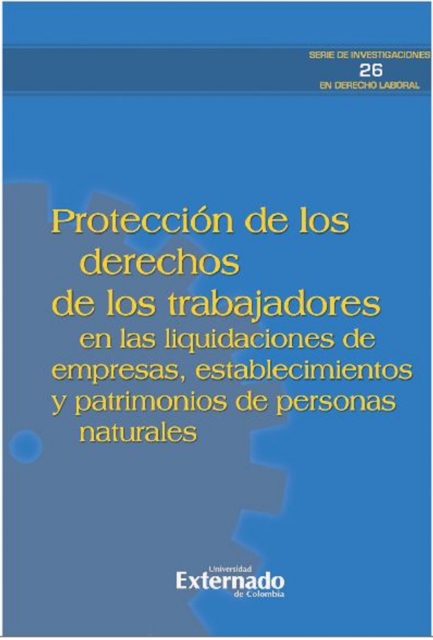
En el ordenamiento jurídico nacional, existen varios procedimientos para liquidar una empresa, los cuales dependen de la naturaleza jurídica y del sector en que desarrolla actividades la entidad que se va a liquidar.
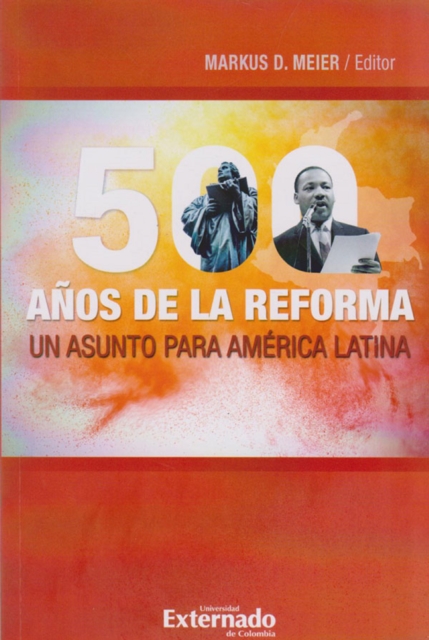
La Reforma -junto con el "descubrimiento" de América- significa para muchos historiadores el final de la Edad Media y el comienzo de los tiempos modernos -hasta hoy-o Las innovaciones de la época en los campos de la teología, la filosofía, la educación y la sociedad se explican en las diversas contribuciones de esta antología, tanto para los países que permanecieron fieles a la vieja doctrina como para los que aceptaron la nueva.
Los autores realizan un estudio dogmático con algunos matices criminológicos de los diferentes tipos penales que describen las conductas que afectan los bienes jurídicos de la vida y la integridad personal, con base en la legislación penal internacional, la comparación con las disposiciones de otros países, la Constitución Política colombiana, los antecedentes legislativos, la doctrina y la jurisprudencia nacional y extranjera, y su experiencia académica y profesional.
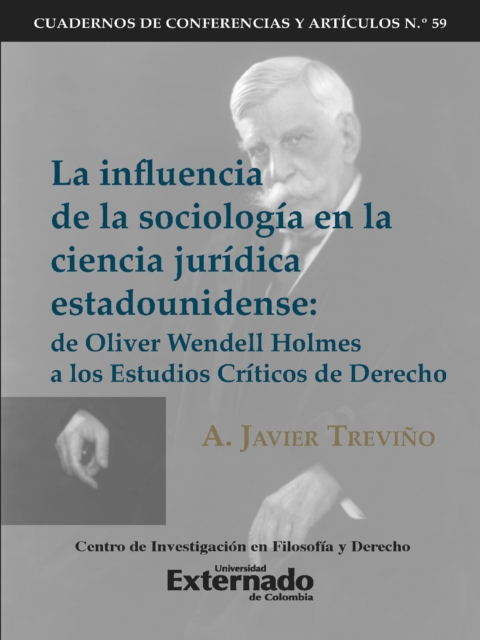
"Este artículo analiza la influencia particular que la sociología ha tenido sobre la doctrina jurídica del último siglo, examinando algunas de las contribuciones más significativas que la sociología ha hecho a cuatro de los mayores 'movimientos' de la ciencia jurídica del siglo XX: la ciencia jurídica de Holmes, la Jurisprudencia Sociológica, el Realismo Jurídico y los Estudios Críticos del Derecho".
En el mundo actual, el respeto por los derechos fundamentales del trabajador ha cobrado notoria importancia y el derecho a la intimidad ha sido incluido en múltiples instrumentos internacionales de protección relativos a los derechos humanos, como la Declaración de los Derechos del Hombre y del Ciudadano, la Convención Americana sobre Derechos Humanos, el Pacto Internacional de Derechos Civiles y Políticos, la Declaración Universal de los Derechos Humanos y determinados convenios de la Organización Internacional del Trabajo que hacen parte del bloque de constitucionalidad.
Este excelente libro, editado por Fabiola Pardo, sitúa el análisis de las migraciones internacionales latinoamericanas en el contexto de los debates teóricos, políticos y críticos de los estudios migratorios; abre distintos canales de investigación y constituye un aporte crítico e innovador -ya que inserta estos procesos en la complejidad de las dinámicas migratorias contemporáneas globales-; e incluye resultados de estudios sobre los principales países involucrados, lo que permite comparar y salir de los límites nacionales y regionales.
Desde que fue expedida a principios de los noventa, la regulación de cambios internacionales (Resolución Externa 13 de 1993) ha sufrido un claro proceso de simplificación.
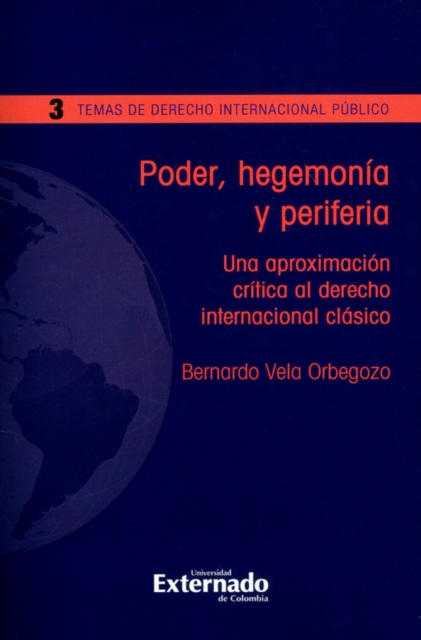
La minimización o la negación del colonialismo -como la negación del genocidio de los armenios, la del holocausto judío o la de las injusticias sistemáticas perpetradas contra los palestinos- se funda en la racionalidad de Occidente que ha impuesto una hegemonía centralizando la historia, impidiendo o limitando la construcción de la memoria de los pueblos vencidos y sometidos y, en nombre de la razón de Estado y de la soberanía, justificando la guerra y el colonialismo mediante el establecimiento del denominado derecho internacional clásico, cuyos principios y normas terminaron legitimando las relaciones políticas de dominación y las relaciones económicas de la dependencia que le dieron origen y estructura al orden global moderno.
Con la periodicidad anual que corresponde, el Grupo de Investigación del Departamento de Derecho del Medio Ambiente presenta el tomo III de la Colección Derecho de Tierras, el cual es resultado de la convocatoria que se hace periódicamente a los investigadores, a los profesores de la especialización en Derecho de tierras, y a la comunidad académica en general, para que estudien y presenten los aspectos centrales de esta rama del ordenamiento jurídico.
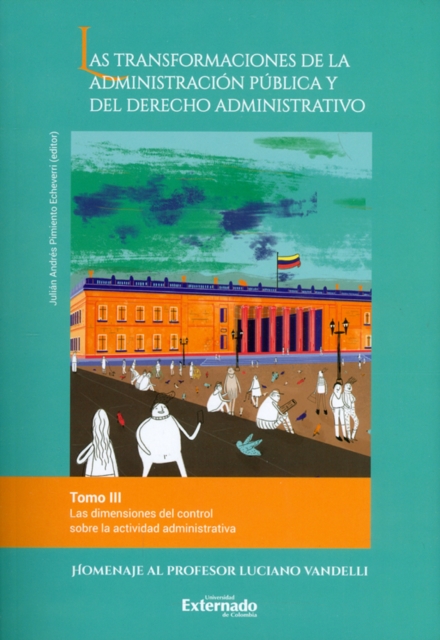
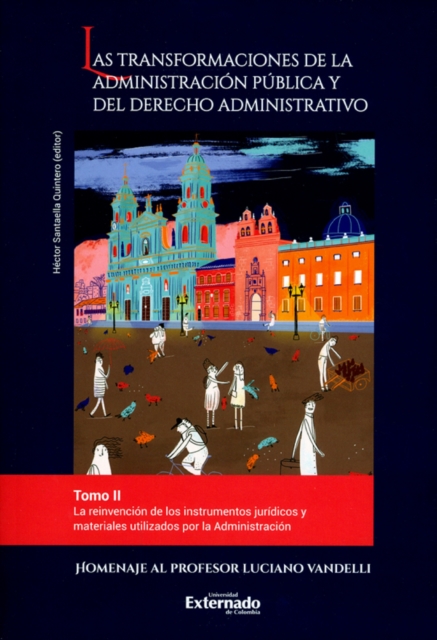
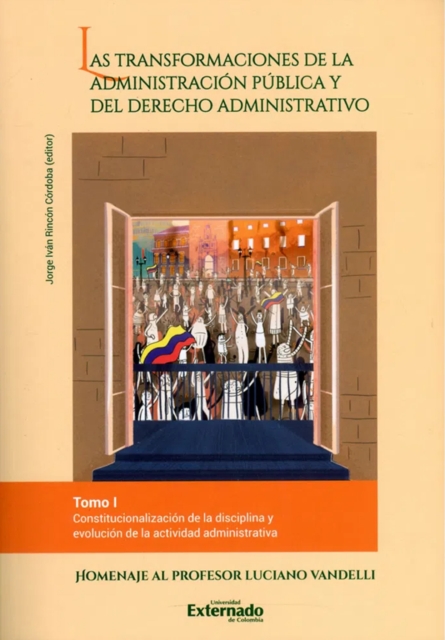
Como no podía ser de otra forma, el derecho administrativo contemporáneo participa de las notables transformaciones de la sociedad, del Estado y de la peculiar e intensa relación que entrelaza a uno y otro en nuestro tiempo.
La responsabilidad por los daños ocasionados en el ejercicio de actividades peligrosas ha sido uno de los temas más controvertidos en el derecho civil contemporáneo y ha originado diversos debates que han girado en torno, principalmente, al criterio de imputación de la responsabilidad, oscilando entre quienes creen que debe permanecer dentro del dominio de la culpa y quienes consideran que la imputación debe prescindir del reproche subjetivo de la conducta y proponen diversos criterios objetivos para fundamentarla.
La regulación de los mercados en el contexto de globalización económica día tras día trae nuevos retos y complejidades, hoy en el escenario de las guerras comerciales entre los grandes participantes del comercio internacional encontramos los interrogantes a los que se tratará de dar respuesta en este libro: ¿en qué condiciones se está participando en la liberalización del comercio, qué beneficios y costos para al Estado social de derecho se han derivado de esta liberalización?
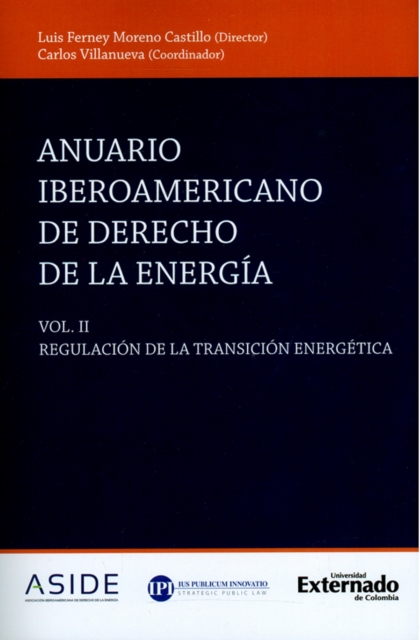
Con gran beneplácito se presenta a la comunidad académica y profesional el segundo número del Anuario Iberoamericano de Derecho de la Energía, el cual forma parte de la "Colección de Anuarios de Derecho Público Iberoamericano", que dirige el Profesor Jaime Rodríguez-Arana Muñoz desde la Universidad de la Coruña, España, en su calidad de presidente de Ius Publicum Innovatio y que en esta oportunidad es el libro conmemorativo de los veinte años de existencia del Departamento de Derecho Minero-Energético de la Universidad Externado de Colombia.