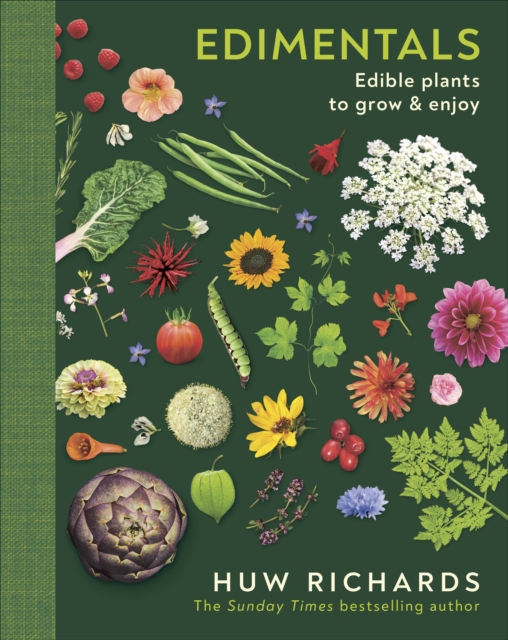
The holy grail of plants, edimentals are edible, ornamental plants that taste just as good as they lookHuw Richards shows you how to grow 100 edible plants with fabulous flowers or foliage, so you can create a beautiful and productive garden or pot display.
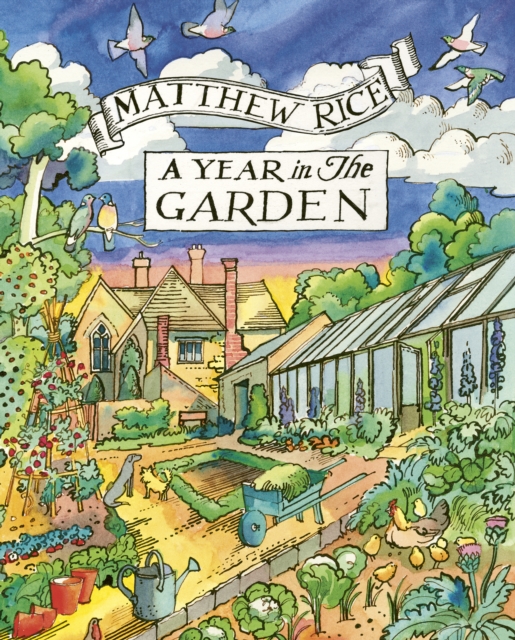
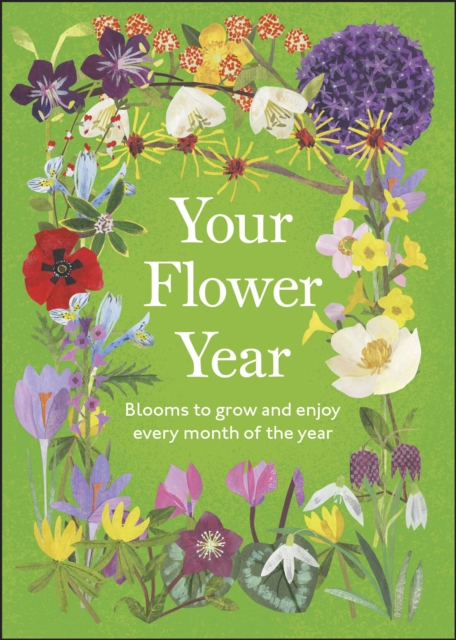
A guide to gardening and enjoying nature through the year, showing you what to do, when to do it and how to enjoy every season more fully, from the garden of renowned artist Matthew Rice.
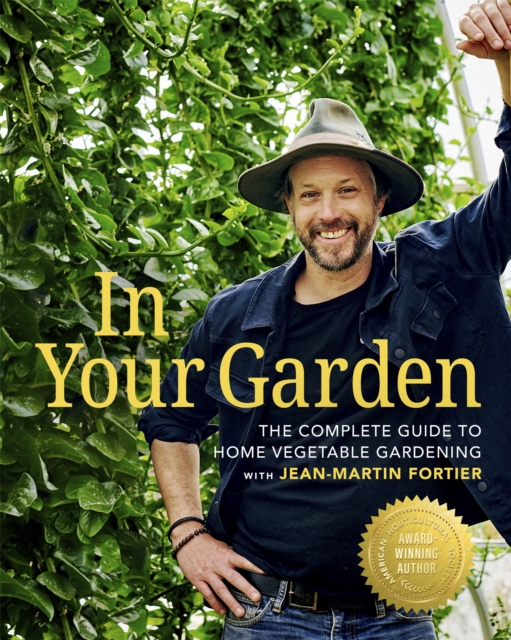
The Casual Vegetable GardnerThere is something deeply satisfying about planting a seed, watching it grow, and finally bringing fresh vegetables from your own garden to the table.
To provide context, just a quick reminder of all the book titles, in this series, published so far: Book 1-Garden foundations, Book 2-Beginners crops, Book 3 – Herbs, Book4-Brassicas and roots and book 5-Legumes and alliums.
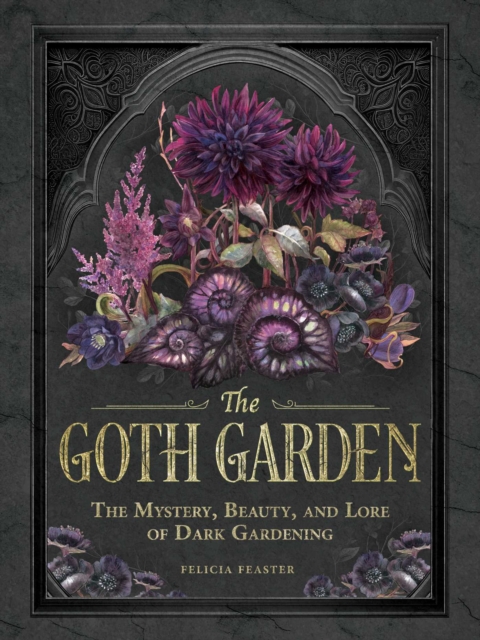
Explore the mysterious beauty of gothic gardening with this illustrated plant encyclopedia, featuring the history, myths, and lore behind 50 dark and unique plants perfect for creating your very own spooky garden.
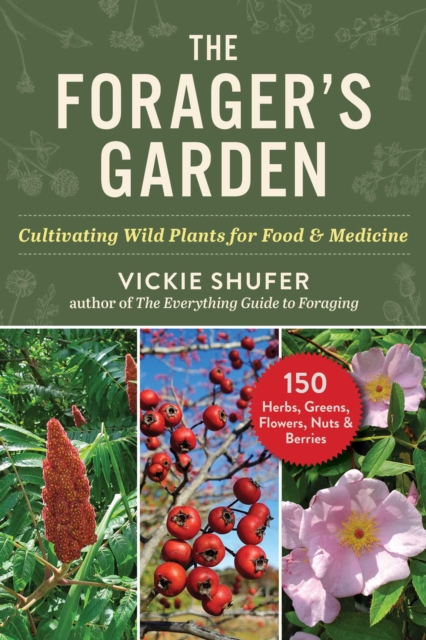
Grow an Abundance of Food and MedicineNaturally and SustainablyThe Foragers Garden is your guide to transforming ordinary lawns and meadows into thriving ecosystems that nourish both body and soul.
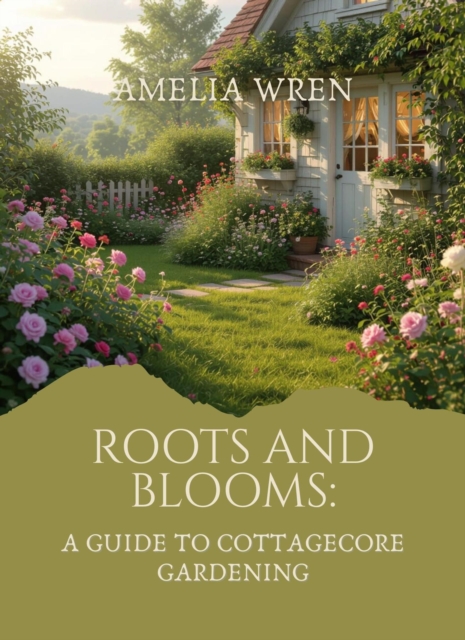
Step into a garden where heritage roses climb sun-warmed stone walls, forgotten herbs release their secrets on your fingertips, and vegetables grow alongside flowers in beautiful abundance.
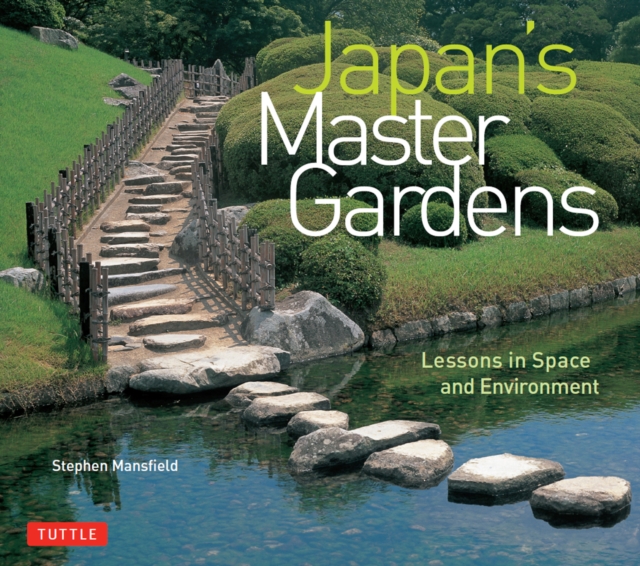
Shunmyo Masuno, Japan's leading garden designer, is at once Japan's most highly acclaimed landscape architect and an 18th-generation Zen Buddhist priest, presiding over daily ceremonies at the Kenkoji Temple in Yokohama.
Shunmyo Masuno, Japan's leading garden designer, is at once Japan's most highly acclaimed landscape architect and an 18th-generation Zen Buddhist priest, presiding over daily ceremonies at the Kenkoji Temple in Yokohama.
Rosalind Creasy, the ingenue of edible landscaping, does it again with The Edible Italian Vegetable Gardenan invitation to grow and prepare some of the exceptional varieties of produce for which Italian cooking is so justly famous.
Of historical interest to gardening enthusiasts and historians this topiary gardening guide gives practical advice as well as a fascinating account of topiary through the ages.
Presenting twenty-five master gardens, this landscape design book explores the ingenuity and range of Japanese landscaping, from the self-imposed confines of courtyard designs to the open expanses of the stroll garden.
Rosalind Creasy, the ingenue of edible landscaping, does it again with The Edible Italian Vegetable Gardenan invitation to grow and prepare some of the exceptional varieties of produce for which Italian cooking is so justly famous.
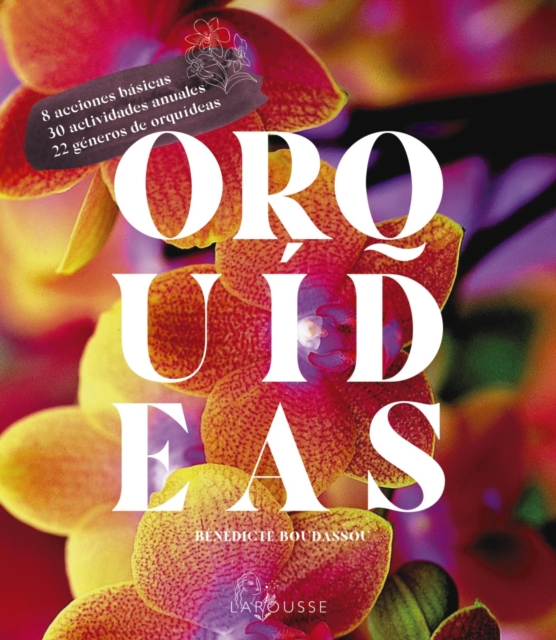
Asociadas a la sensualidad y la belleza, las orquídeas han sido consideradas como exóticos «objetos» decorativos reservados a pocos bolsillos u ocasiones especiales.
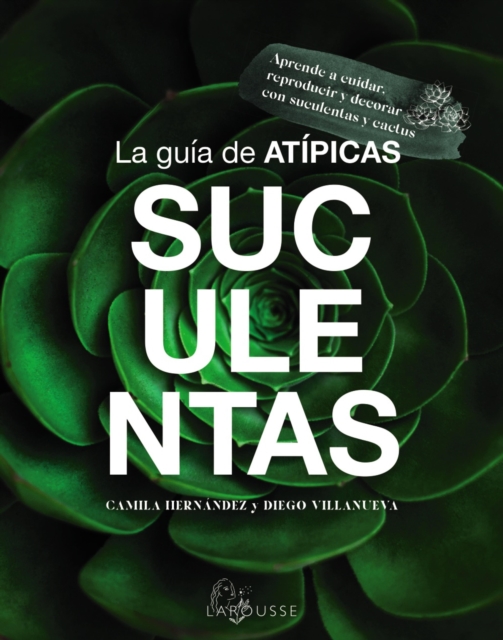
Los creadores de Atípicas Suculentas, página web de referencia para miles de amantes de estas plantas tan singulares, te explican de forma sencilla, amena y cercana todo lo que hay que saber para cuidarlas con éxito.
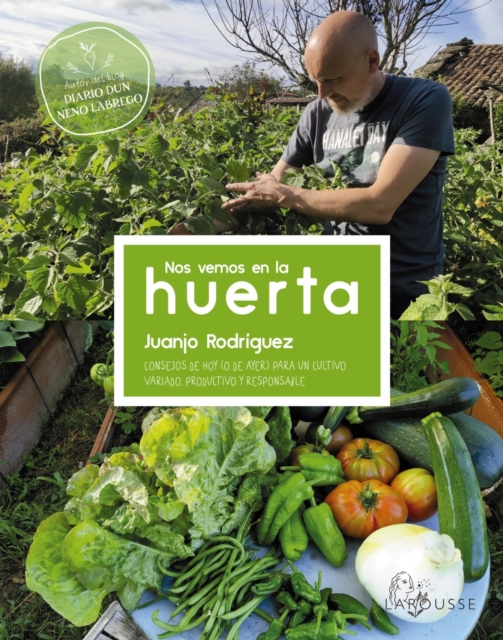
El agrotuber Juanjo Rodríguez (horticultor conocido por su blog y su canal de youtube Diario dun neno labrego) explica de forma sencilla, amena y cercana qué es una huerta realmente ecológica, e invita a cultivar de forma eficaz y sostenible cualquier tipo de huerto (sea huerta, huerto urbano o «macetohuerto»), con una exposición clara y metódica, desde la planificación de la huerta al calendario de siembra, pasando por el abonado, el trasplante, el riego, las labores estacionales, las plagas y enfermedades comunes, los insecticidas y fungicidas biológicos o una guía de cultivos comunes.
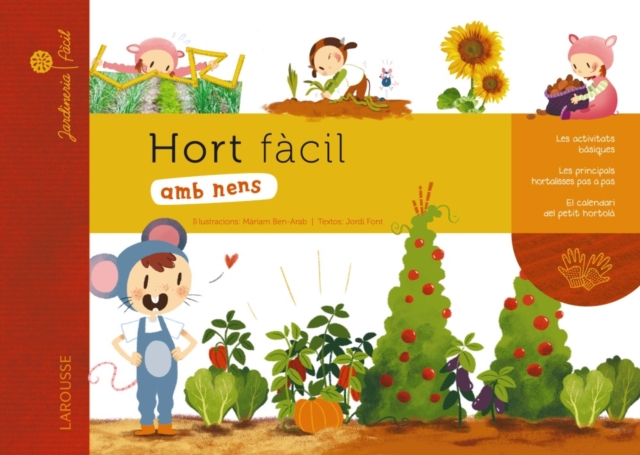
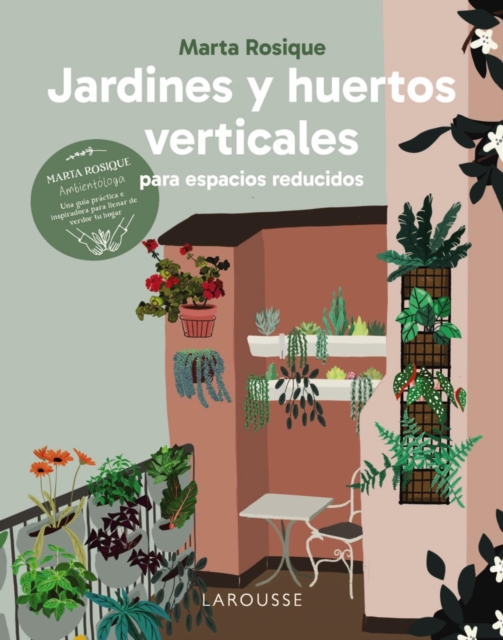
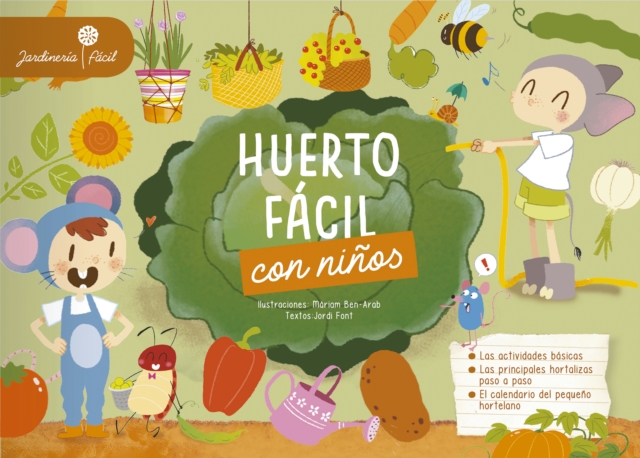
Un divertido manual ilustrado con grandes dosis de humor por Màriam Ben-Arab, que da las claves para cultivar huertos en espacios reducidos y contar con la colaboración de los más pequeños.
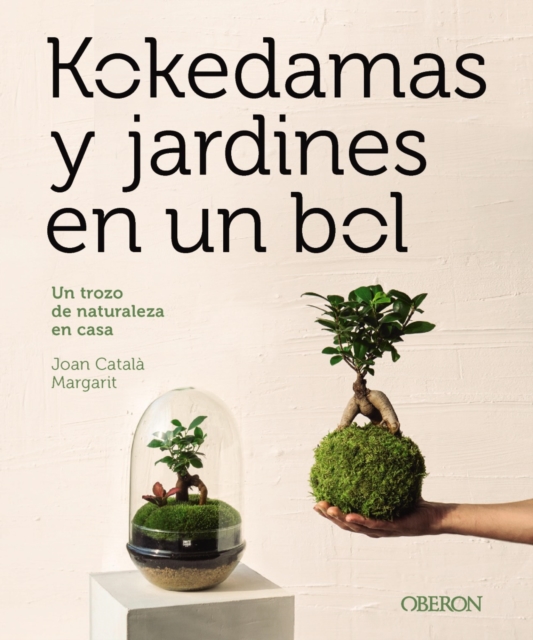
La kokedama es una técnica japonesa con más de 500 años de antigüedad que consiste en sustituir la maceta de la planta por una bola de musgo, creando un elemento nuevo y añadiendo el arte de la elaboración artesanal a la planta.
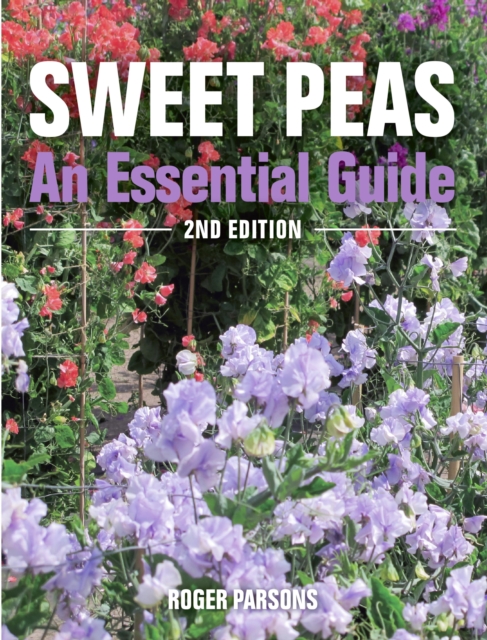
Sweet peas were first documented in Sicily in the late seventeenth century and, with their delightful scent and diverse range of beautiful colours, have established themselves as annual favourites across the world.