Landscape designers have long understood the use of plants to provide beauty, aesthetic pleasure and visual stimulation while supporting a broad range of functional goals.
Landscape designers have long understood the use of plants to provide beauty, aesthetic pleasure and visual stimulation while supporting a broad range of functional goals.
Following on from the critically acclaimed The Landscape Lighting Book, this is the lighting design companion every professional and student in landscape architecture needs.
Parametric Design for Landscape Architects provides a sequence of tutorial-based workflows for the creation and utilization of algorithmic tools calibrated toward the field of landscape architecture.
Following on from the critically acclaimed The Landscape Lighting Book, this is the lighting design companion every professional and student in landscape architecture needs.
This edited volume defines and compares central aspects of governance and management related to urban open spaces (UOSs) such as long-term management, combined governance and management and strategic management of UOSs.
This edited volume defines and compares central aspects of governance and management related to urban open spaces (UOSs) such as long-term management, combined governance and management and strategic management of UOSs.
Richard Taylor, author of the best-selling How to Read a Church, joins forces with garden historian Andrew Eburne to produce the ultimate guide to historic and modern gardens.
Between 1715 and 1750, a group of politicans and poets, farmers and businessmen, heiresses and landowners began to experiment with the phenomenon that was to become the English landscape garden.
From Timur's tent in Samarqand to Shah 'Abbas's palace in Isfahan and Humayun's tomb in Delhi, the pavilion has been an integral part of Persianate gardens since its earliest appearance at the Achaemenid garden in Pasargadae in the sixth century BC.
The author of the hit parody The Panda, the Cat and the Dreadfully Teddy draws on the simple, idyllic world of Beatrix Potter to shed light on some of the most pertinent issues of our time.
For years dahlias have been dismissed for being garish, gaudy additions to gardens and arrangements, but when you find the right variety it's hard to think of a better garden plant or more striking cut flower.
A handy guide to around 140 of Ireland's most dramatic castles and strongholds, all of which are open to the public, with structures from across the whole island of Ireland.
'Roderick Floud's ground-breaking study of the history, money, places and personalities involved in British gardens over the past 350 years gives fascinating insight into why gardening is part of this country's soul.
In a much-anticipated addition to the New Naturalist library, Stefan Buczacki takes a broad look at the relatively unexplored world of the garden, and its relevance within the context of natural history overall.
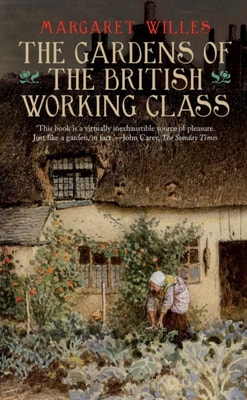
This magnificently illustrated people's history celebrates the extraordinary feats of cultivation by the working class in Britain, even if the land they toiled, planted, and loved was not their own.
A gorgeous volume showcasing Jefferson's amazing vegetable garden, its uniquely American characteristics, and its legacy Were Thomas Jefferson to walk the grounds of Monticello today, he would no doubt feel fully at home in the 1,000-foot terraced vegetable garden where the very vegetables and herbs he favored are thriving.
Exploring the ways in which an integrated landscape vision can help deliver regional, national, and international agendas, this book investigates how a new idea of landscape can reimagine governance, policy, economics, culture, identity, health, transport, and development priorities by connecting in a more powerful and meaningful way with local aspirations and demands.
Lin Foxhall explores the cultivation of the olive as an extended case study for understanding ancient Greek agriculture in its landscape, economic, social, and political settings.
"e;Stevens has skillfully tied the seemingly mundane-how to grow food, cook, shop, stay healthy-to our deepest spiritual and transformative aspirations.
Outdoor Environments for People addresses the everyday human behavior in outdoor built environments and explains how designers can learn about and incorporate their knowledge into places they help to create.
Outdoor Environments for People addresses the everyday human behavior in outdoor built environments and explains how designers can learn about and incorporate their knowledge into places they help to create.
How do designers navigate the ethical discursive territories of design thinking and practice when the same common terms they consistently use across the different design ethics paradigms-like fair, right, good-convey different meanings?