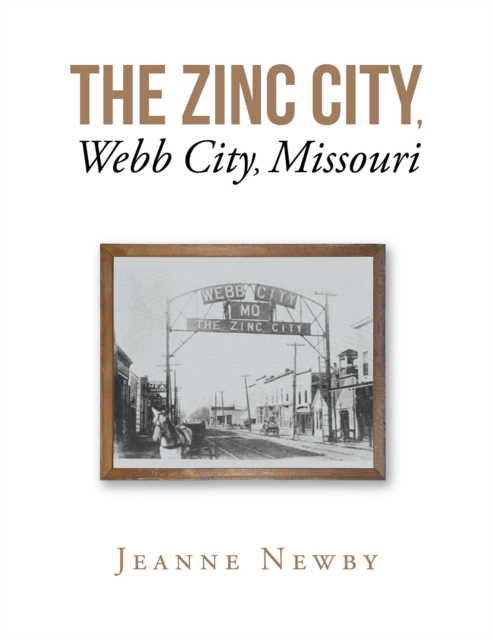
This book is a partial collection of research done by Jeanne Newby in her thirty-one years of writing a weekly column in the local newspaper The Webb City Sentinel, known as "e;Ancestors, Legends and Time.
Longlisted for the Samuel Johnson Prize for Non-Fiction 2014Ben Watt's father was a working-class Glaswegian jazz musician-a politicized left-wing bandleader and composer-whose heyday in the late 1950s took him into the glittering heart of London's West End.
Filled with practical advice that will help anyone obtain the information they seek through Italian records, Italian Genealogical Records is a comprehensive guide to the complexities and nuances of what could otherwise be a daunting task.
For anyone looking to create a useful, lasting history of your family: This is a book that should adorn the library or bookshelves of all genealogists!
From a young age, I wanted to trace my familys history, hoping to get back to the very beginning of modern mankind seemingly a ridiculous and impossible task!
In Central West Africa over a quarter of a million year ago, mankind evolved to become the very first known genetically and anatomically modern humans - Homo Sapiens.
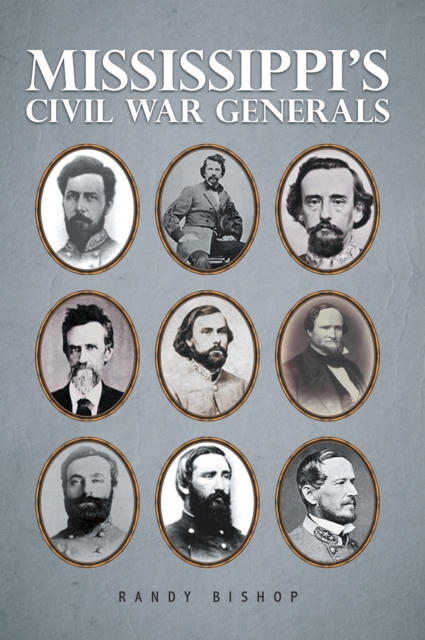
Mississippis Civil War Generals covers the lives of the forty-six Mississippians who reached the rank of general during the four-year struggle that divided the nation.
'Full of violence and passion' Elle Suffering the recent loss of her beloved grandfather and newly committed to a career in journalism, Delphine Minoui decided to visit Iran for the first time since the revolution - since she was four years old.
Tracing Your Roman Catholic Ancestors is the ideal handbook for readers and researchers who are keen to find out about their Roman Catholic ancestors and for anyone who wants an introduction to Roman Catholic history in general.
Tracing Your Roman Catholic Ancestors is the ideal handbook for readers and researchers who are keen to find out about their Roman Catholic ancestors and for anyone who wants an introduction to Roman Catholic history in general.
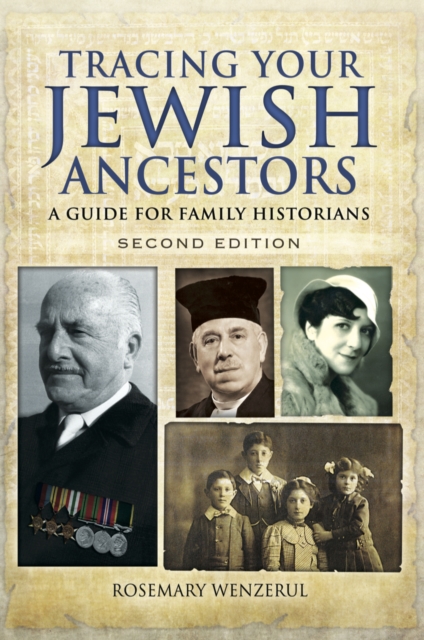
This fully revised second edition of Rosemary Wenzerul's lively and informative guide to researching Jewish history will be absorbing reading for anyone who wants to find out about the life of a Jewish ancestor.
This fully revised second edition of Rosemary Wenzerul's lively and informative guide to researching Jewish history will be absorbing reading for anyone who wants to find out about the life of a Jewish ancestor.
This book is the result of fifteen years of careful research on this family that, to my knowledge, has not yet been completely put together before, and I am using my talent for research and writing to put it together once and for all.
Son of a Highlander is the true story of the author, a third-generation Australian of Scottish Highland descent discovering his ancestral history over eight generations, from father to son.
The story begins with the migration of ancestors John and Elizabeth Fairfield with their young son, Walter, from England to Massachusetts sometime in the 1630s.