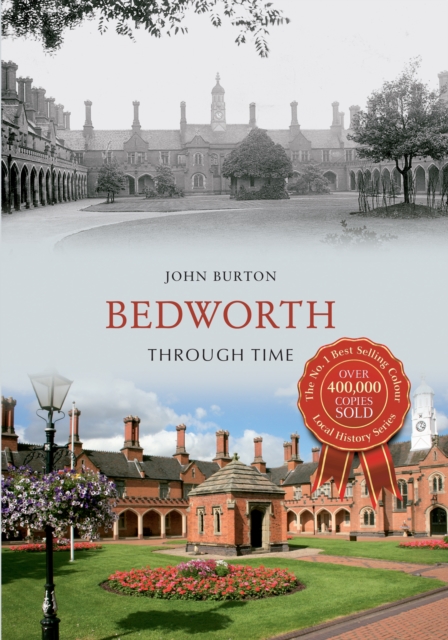
Bedworth's long history, from its Saxon origins to its Domesday entry as a small farming settlement, and later to near extinction in the Black Death, has always been marked by hardship and poverty.
Situated on the north bank of the River Tyne, at the lowest bridging point, Newcastle is generally regarded as the capital of the north-eastern region of the United Kingdom.
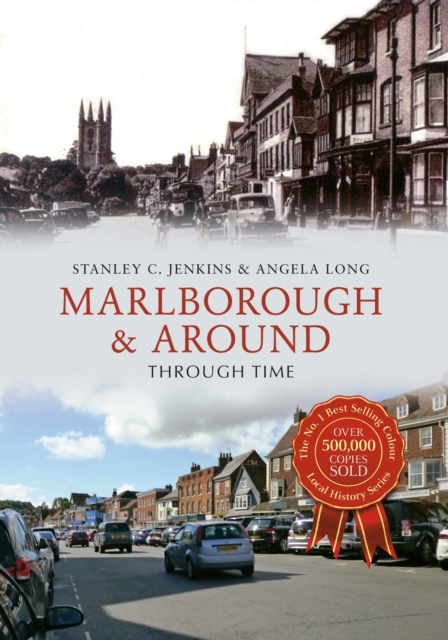
Situated in Wiltshire on the banks of the River Kennett, the picturesque market town of Marlborough is a place of considerable antiquity, with a history dating back to prehistoric times.
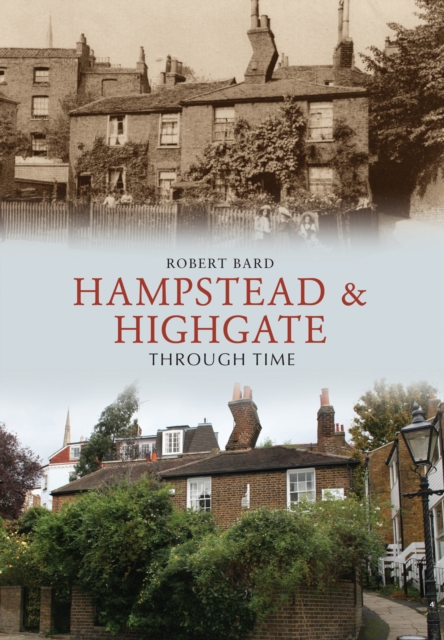
Although early records of Hampstead can be found in a grant by King Ethelred the Unready to the monastery of St Peter's at Westminster (AD 986) and it is referred to in the Domesday Book (1086), the history of Hampstead is generally traced back to the seventeenth century.
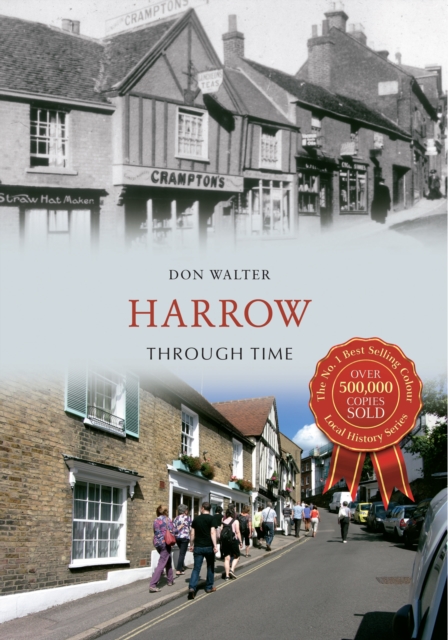
Taking his cue from this series' title of 'Through Time', life-long Harrow resident and historian Don Walter here attempts something slightly different from the standard book of quick 'then and now' snapshots of his home-town.
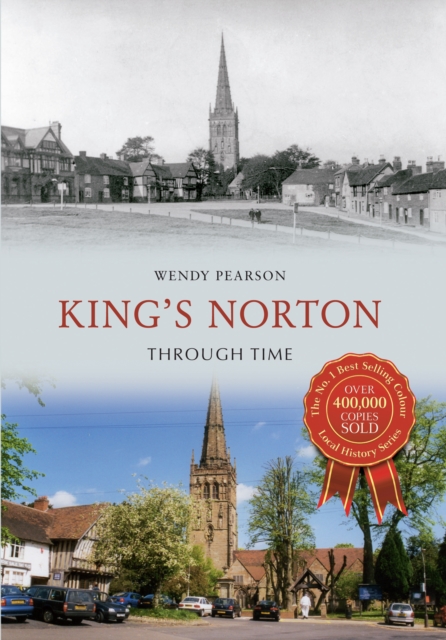
The village of King's Norton began to evolve in the medieval period and is continuing to grow and change while retaining its earlier landscape of a village surrounding a green.
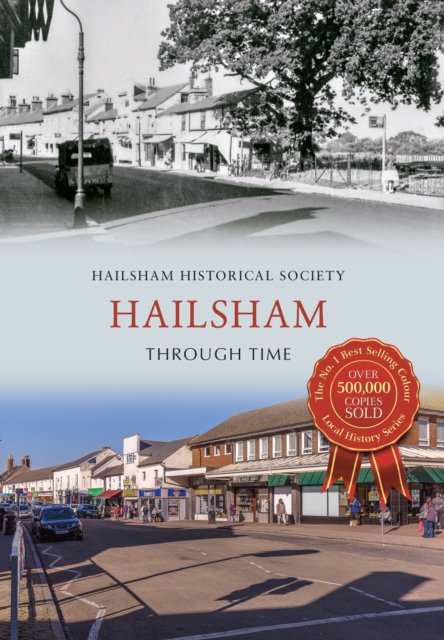
Hailsham, the largest of the main towns in the Wealden District of East Sussex, is an inviting market town, rich in industrial and agricultural history.
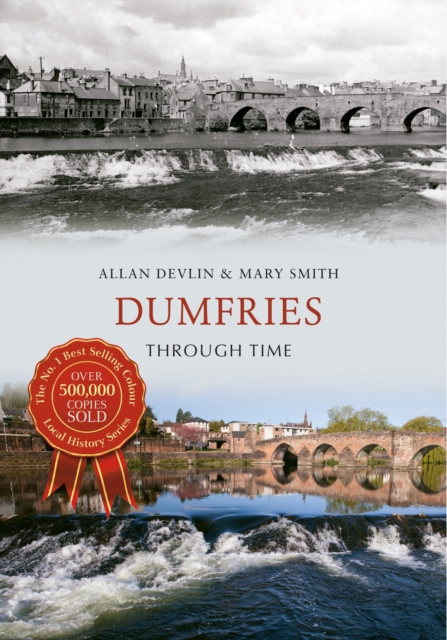
Dumfries, a market town in south-west Scotland known as the Queen of the South, is the administrative capital of the Dumfries and Galloway region and has a population of almost 32,000.
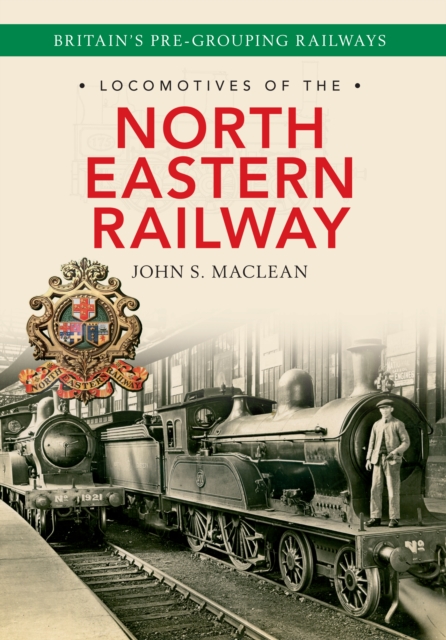
The successor to the Stockton & Darlington, the North Eastern Railway was an important pre-grouping company covering a relatively compact territory which included Yorkshire, County Durham and Northumberland, with outposts stretching into Cumbria and even Scotland.
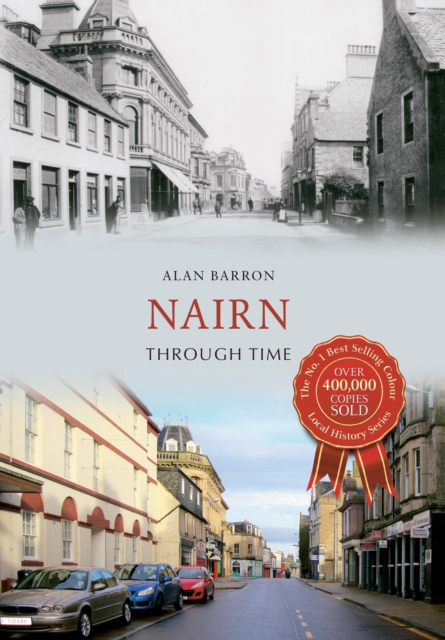
The picturesque seaside town of Nairn enjoys a prime location on the Moray Firth coast; in fact, it claims to be the driest and sunniest place in the whole of Scotland.
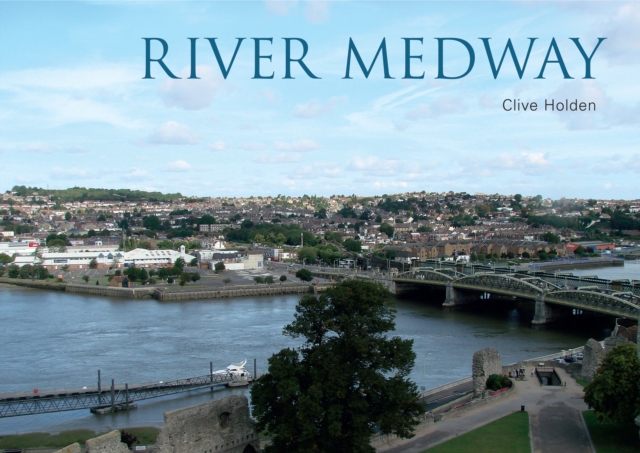
The River Medway travels through the highly populated areas of Gillingham, Chatham, Maidstone and Tonbridge, among a number of other smaller towns and villages.
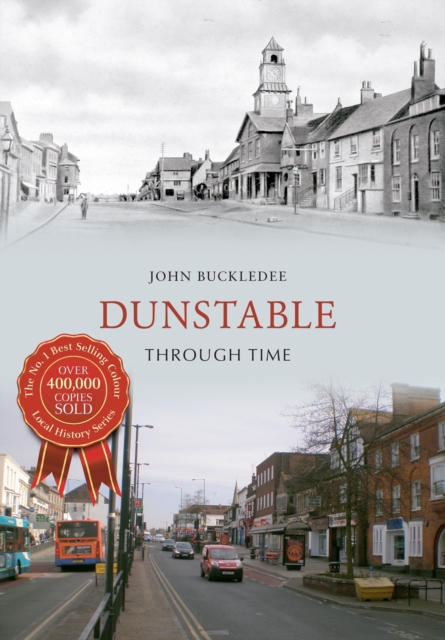
Dunstable, once a stagecoach centre, then a hat making town, and lately a major base for printing and vehicle manufacture, is once again reinventing itself to adapt to a changing world.
The history of Glasgow extends back into the mists of legend, even beyond the sixth century AD when the city's patron saint, St Mungo, entered its story.
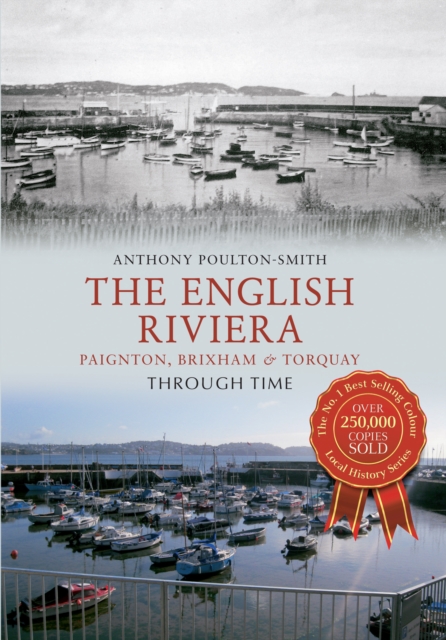
The three towns of Paignton, Brixham and Torquay form the area of the Devon coast known as the English Riviera, due to the sandy beaches, mild climate and host of leisure attractions.
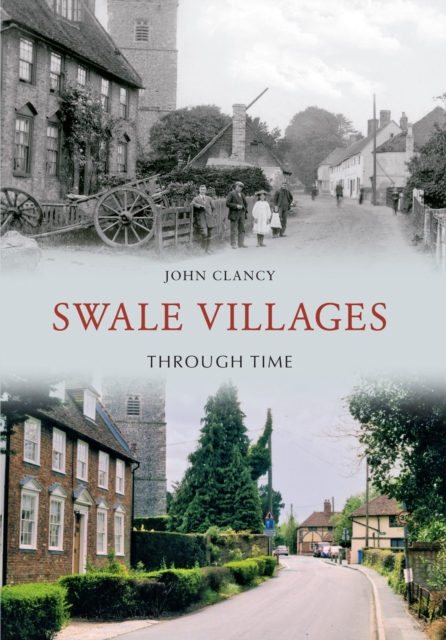
Many parts of Britain are renowned for the 'chocolate box' quality of their pretty villages, but rarely do people include Swale in North Kent, a delightful rural area known as the Garden of England.
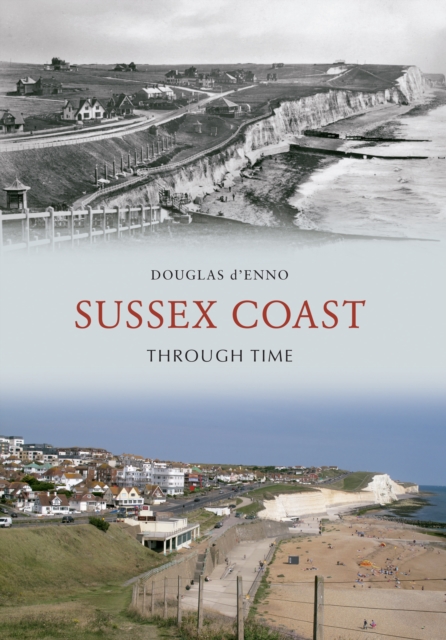
Stretching for some 90 miles from the Kent boundary near Camber Sands with its sand dunes to Thorney Island within the sheltered waters of Chichester Harbour, the Sussex coast presents a rich variety of features, from bustling resorts to oases of calm and isolation.
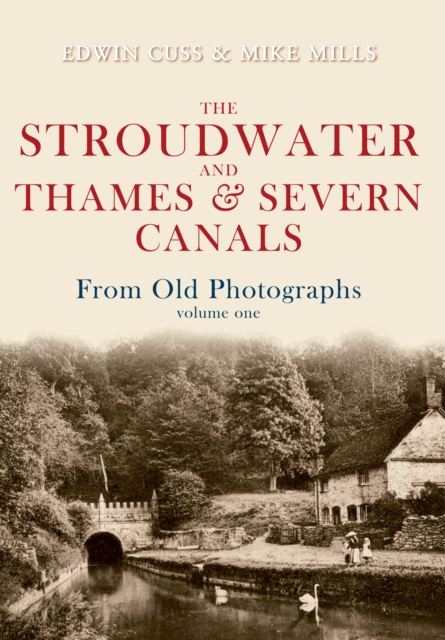
The scenic beauty of the canals' route through the Golden Valley provided professionals and amateur photographers of the 1870-1930 period with a plethora of subjects.
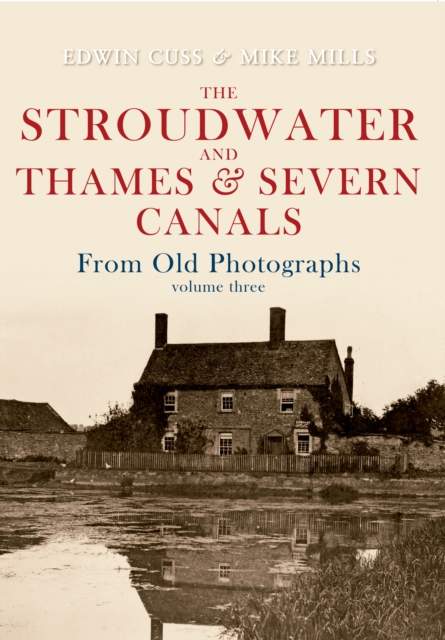
This volume completes a trilogy of albums dedicated to capturing as much as possible of the evidence from historic photographs of two famous canals which together linked the rivers Severn and Thames.
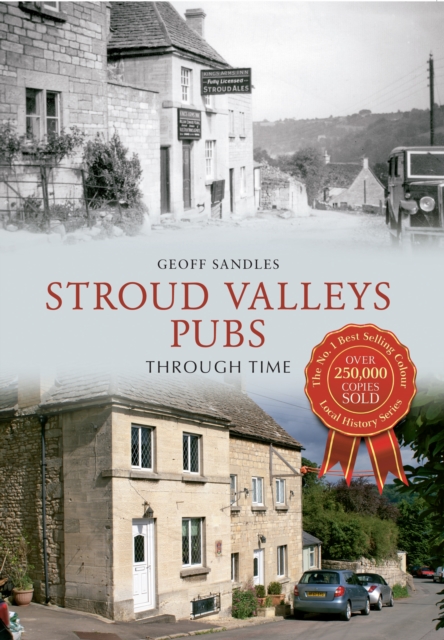
Stroud is the capital of the south-western Cotswolds, located at the divergence of the five Golden Valleys, named after the monetary wealth created in the processing of wool from the plentiful supply of water power.