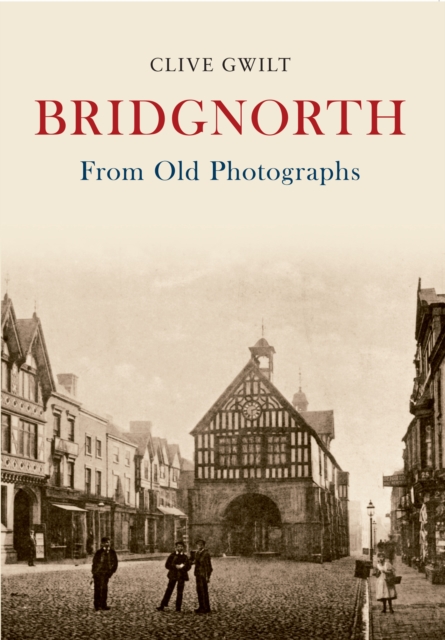
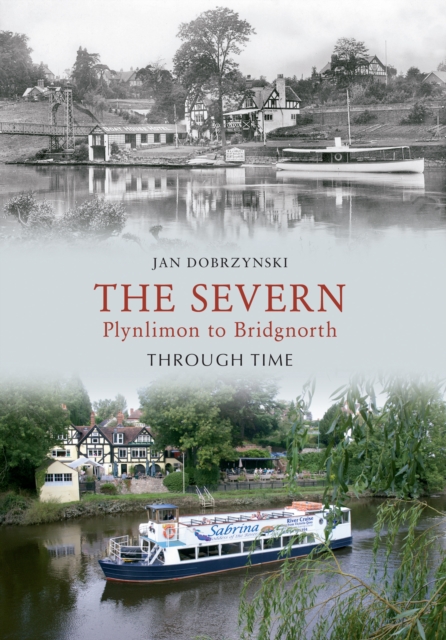
Bridgnorth lies in the south-east corner of Shropshire, separated by a dozen miles of farmland from the Black Country, the same distance from the old carpet town of Kidderminster to the south-east, and only thirty miles from Birmingham.
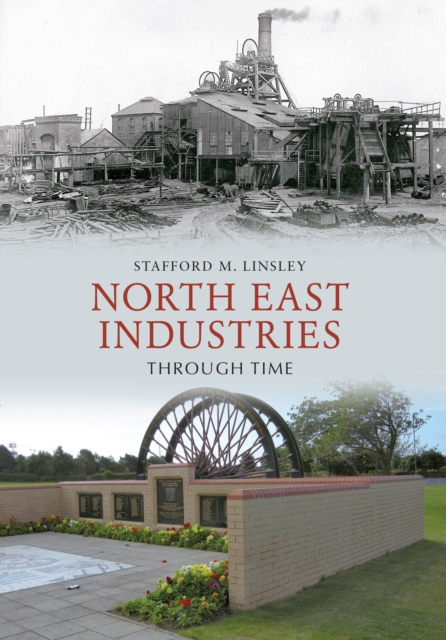
It has been forcefully argued that if there is one place in Great Britain where an industrialised society first emerged, then that place is Whickham on Tyne, some three miles up-river from Newcastle/ Gateshead.
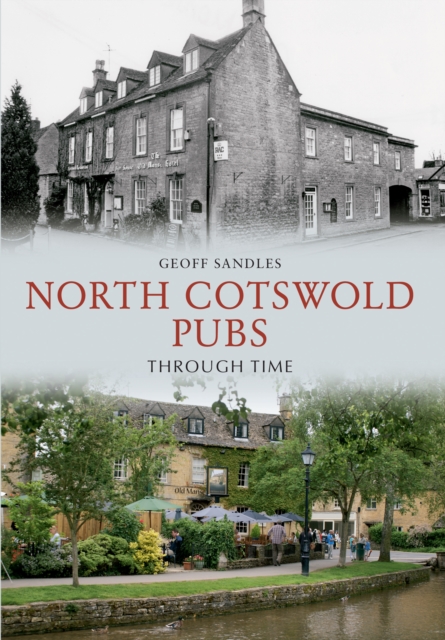
Unlike many areas of the country, which have seen many pubs closing down in recent times, the Gloucestershire Cotswolds has luckily been able to retain most of its picturesque inns, and many of its local breweries and ales.
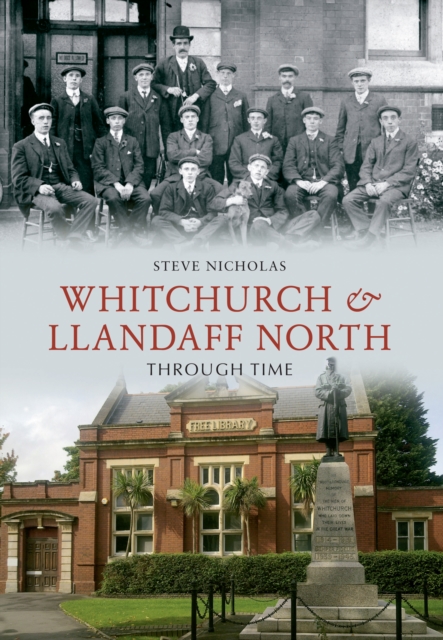
This captivating collection of past and present images focuses on the land, streets and buildings in the communities of Whitchurch and Llandaff North, capturing the changes that have occurred in the last century.
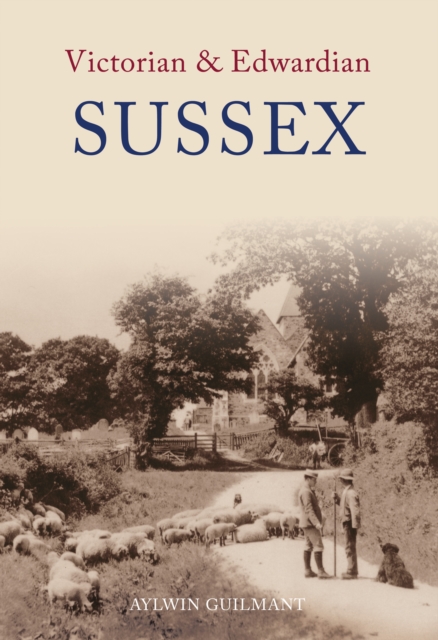
Over one hundred and fifty of the best photographic images from the turn of the twentieth century are reproduced here together with contemporary descriptions of Sussex folk and their lives.
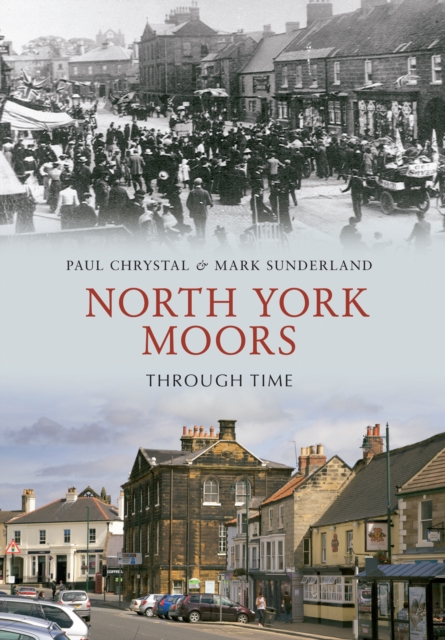
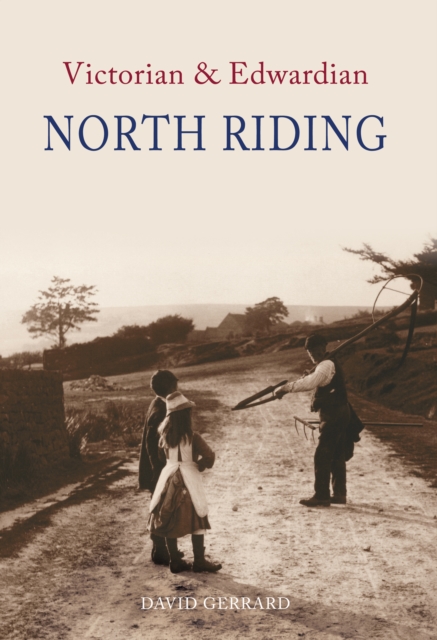
The North Riding of Yorkshire is a fortunate land - favoured by some of the most magnificent scenery in England and with a number of the country's most attractive towns.
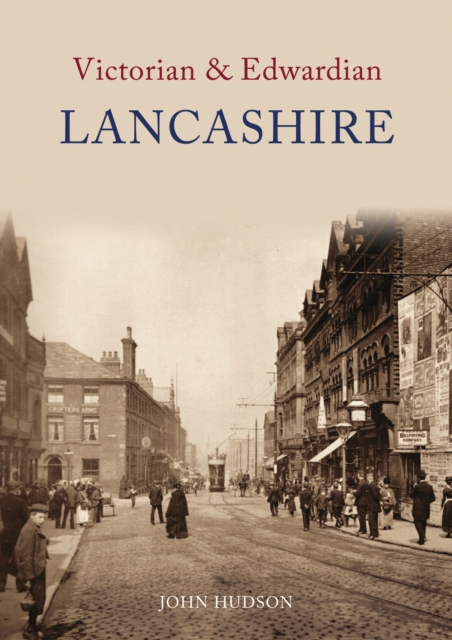
In industrial Lancashire, as in few other English communities, the turn of the twentieth century could be seen as modern times dressed in bowler hats and moustaches.
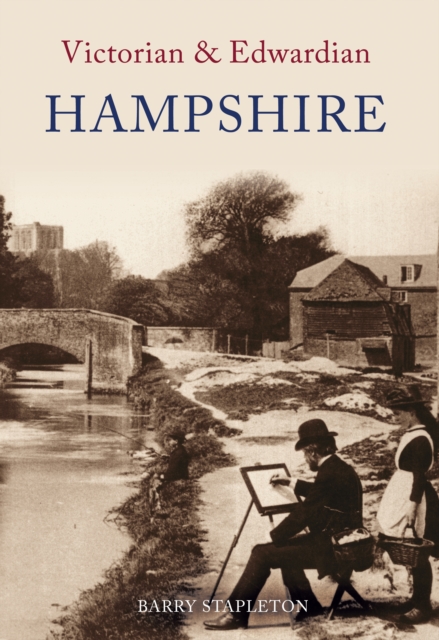
In Victorian and Edwardian times Hampshire, like most counties of England, was a largely rural county, depending on agriculture for much of its income.
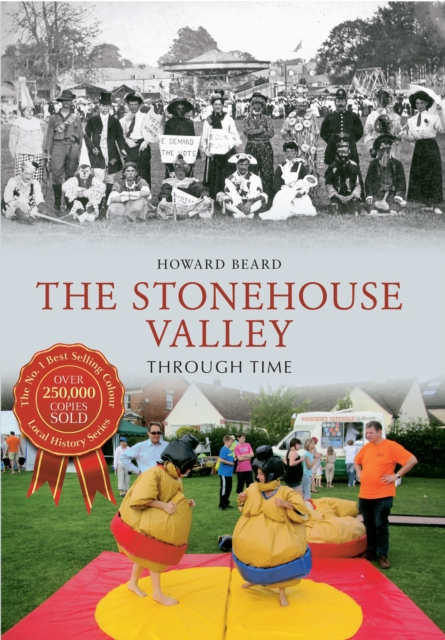
Westward from Stroud the Stonehouse Valley widens out to include Cainscross, Ebley, the Stanleys and then the town of Stonehouse itself before becoming absorbed into the main Severn Vale.
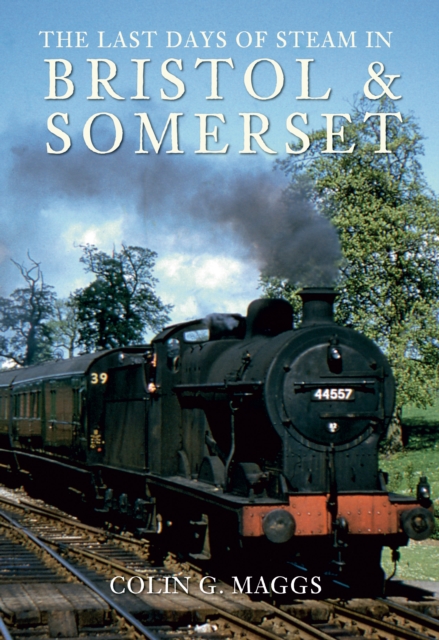
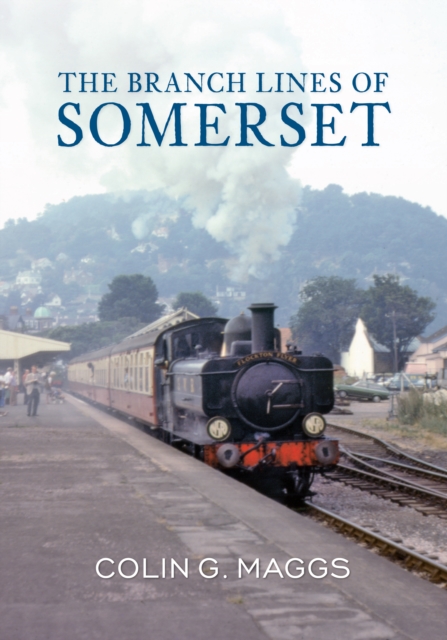
Although diesel traction had been introduced to the county of Somerset as early as 1958 it was not until 1966, and the closure of the Somerset and Dorset Railway, that steam finally disappeared from the county.
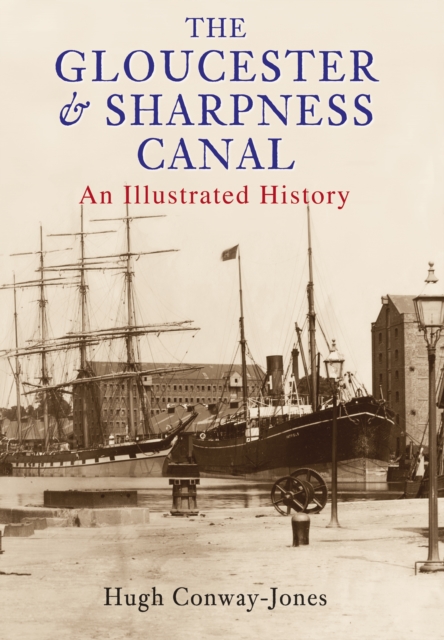
The Gloucester & Sharpness Canal - An Illustrated History draws on contemporary sources and throws new light on the construction, operation and maintenance of the canal.
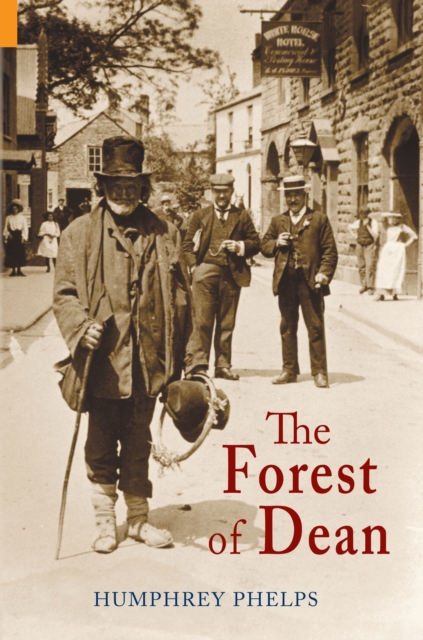
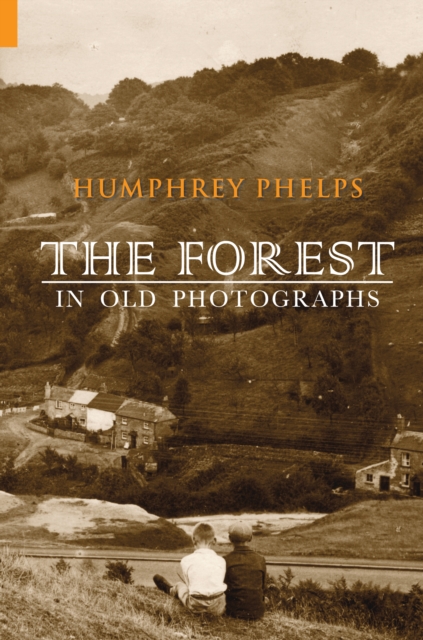
Here are some fascinating insights into life in the Forest of Dean , its people and places, captured in rich selection of old photographs gathered by Humphrey Phelps.
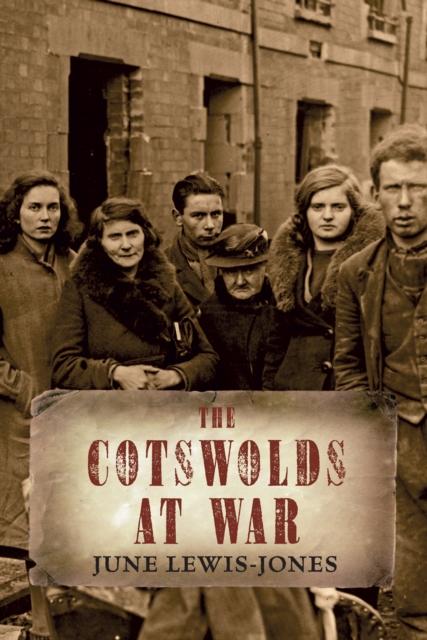
On 1st September 1939 evacuee children arrived at Cirencester, the first of 'a sorry procession' to leave the cities for the comparative safety of the Cotswolds.
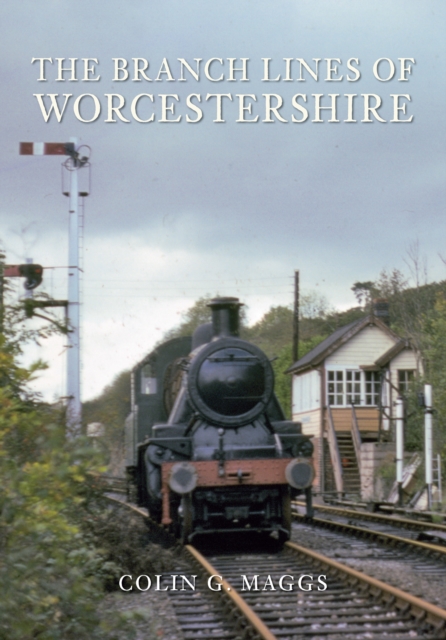
The branch lines of Worcestershire are especially interesting because of their variety, ranging from parts of the Severn Valley Railway, one of the country's largest preserved main lines, to former main lines, right down to lines which have always been branches.
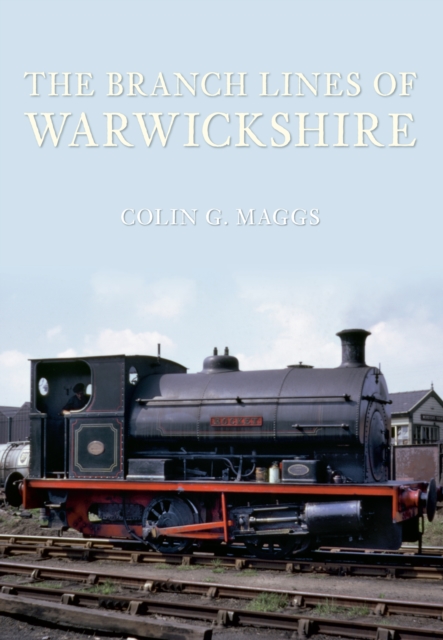
The branch lines of Warwickshire had unusually interesting and evocative station names, from the pleasant and graceful Henley-in-Arden and Salford Priors to Maxstoke, which suggests a particularly efficient locomotive fireman.
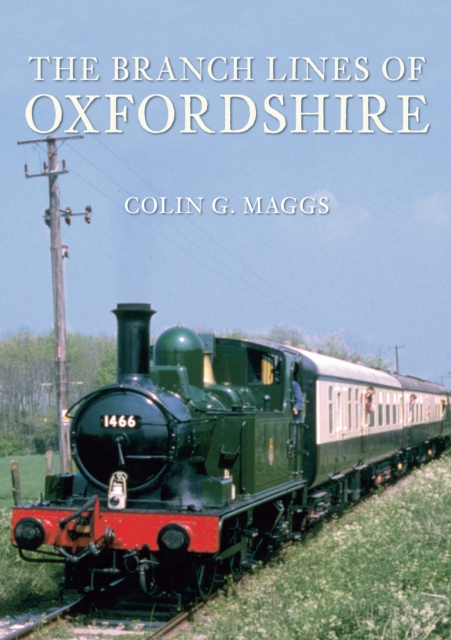
The branch lines of Oxfordshire were not so numerous as those of some other counties, but they carried a wide variety of locomotives and rolling stock, and included specialist lines such as those for Morris Cowley, as well as branches of the Great Western Railway.
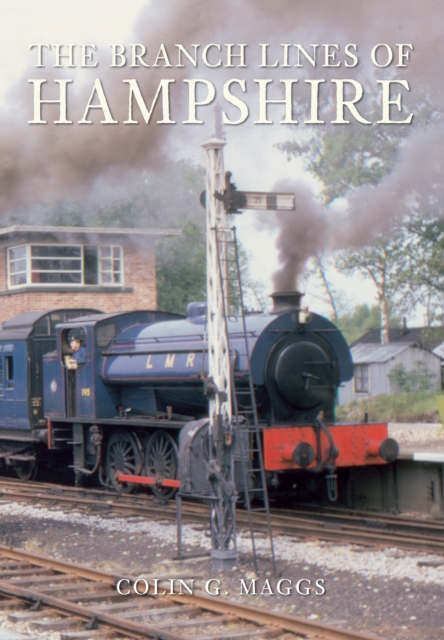
Although the majority of the branch lines of Hampshire belonged to the London & South Western Railway, they offered the opportunity to see a wide variety of locomotives serving both rural outposts and the major towns.
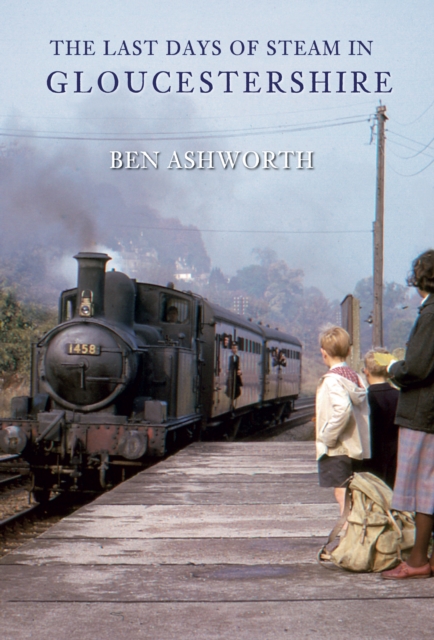
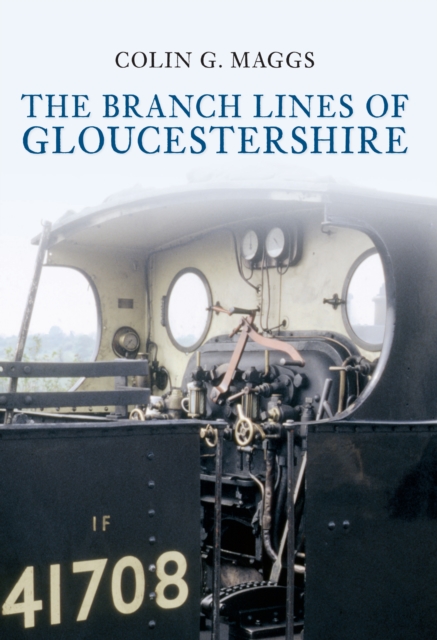
The range and number of lines in Gloucestershire, and the type and diversity of the locomotives operating both branch and main lines, make it a particularly interesting railway county.