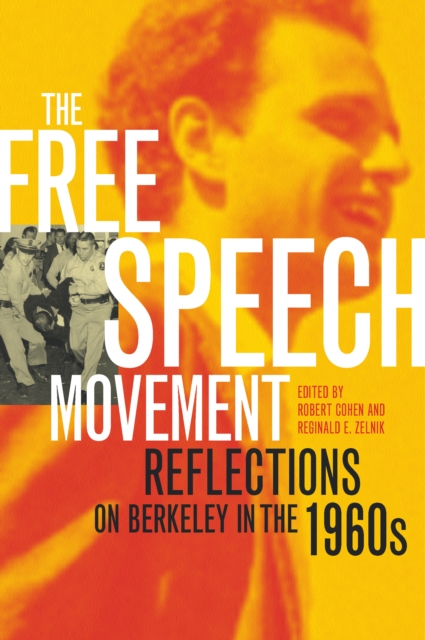
The Railroad Age, The Depression, World War II, The Atomic Age, The Sixties-these periods shaped and were in turn shaped by Berkeley, California-a city that has had a remarkable influence given its modest size.
Wide-Open Town traces the history of gay men and lesbians in San Francisco from the turn of the century, when queer bars emerged in San Francisco's tourist districts, to 1965, when a raid on a drag ball changed the course of queer history.
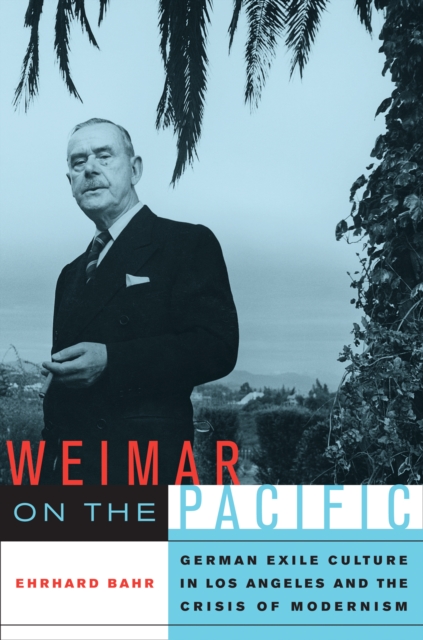
In the 1930s and 40s, Los Angeles became an unlikely cultural sanctuary for a distinguished group of German artists and intellectuals-including Thomas Mann, Theodore W.
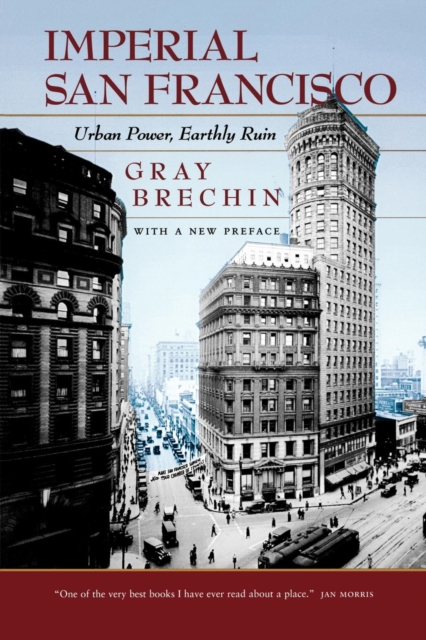
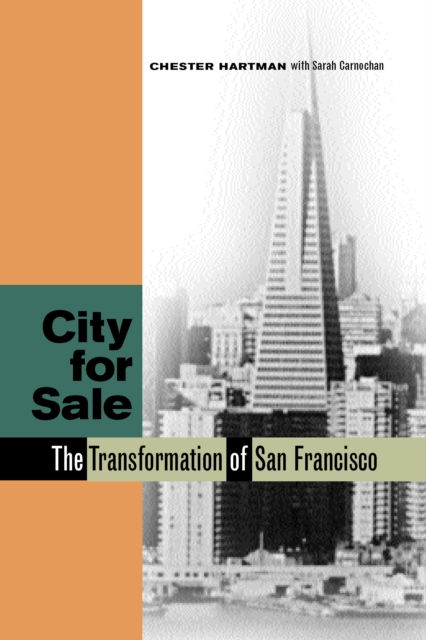
First published in 1999, this celebrated history of San Francisco traces the exploitation of both local and distant regions by prominent families-the Hearsts, de Youngs, Spreckelses, and others-who gained power through mining, ranching, water and energy, transportation, real estate, weapons, and the mass media.
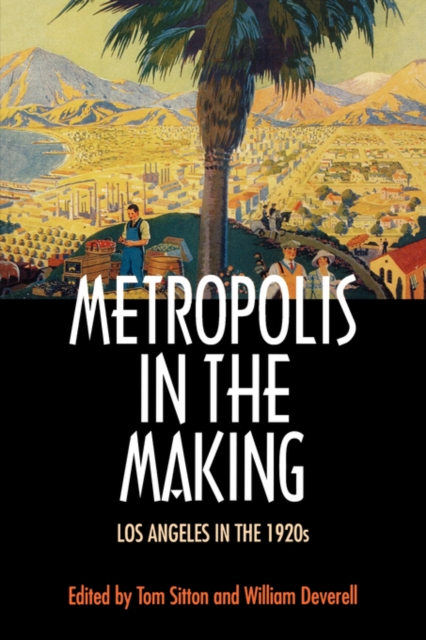
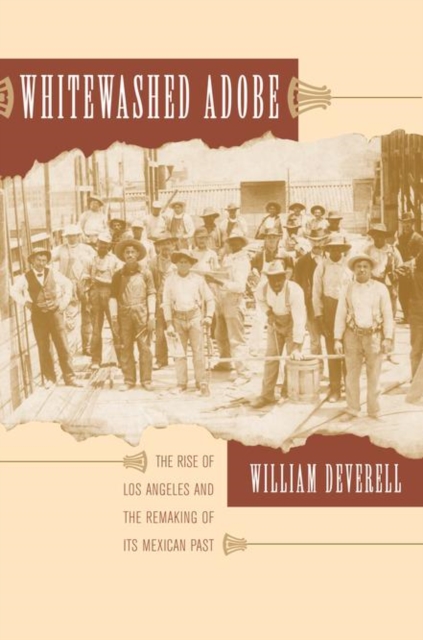
Chronicling the rise of Los Angeles through shifting ideas of race and ethnicity, William Deverell offers a unique perspective on how the city grew and changed.
Peter Schrag takes on the big issues-immigration, globalization, and the impact of California's politics on its quality of life-in this dynamic account of the Golden State's struggle to recapture the American dream.
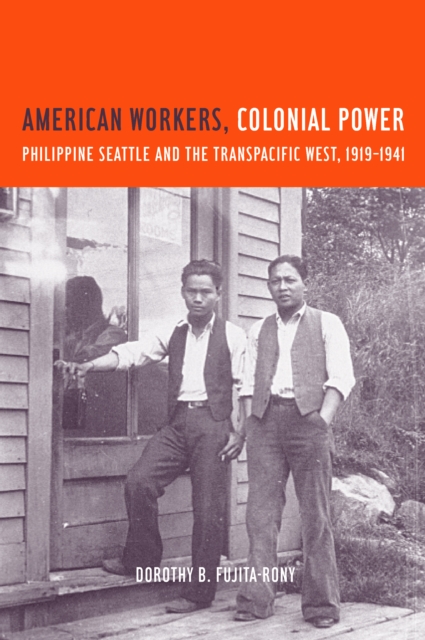
At the turn of the twentieth century, two distinct, yet at times overlapping, male same-sex sexual subcultures had emerged in the Pacific Northwest: one among the men and boys who toiled in the regions logging, fishing, mining, farming, and railroad-building industries; the other among the young urban white-collar workers of the emerging corporate order.
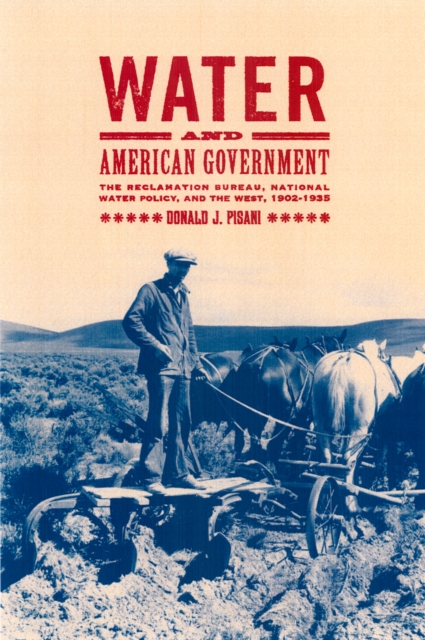
Donald Pisani's history of perhaps the boldest economic and social program ever undertaken in the United States--to reclaim and cultivate vast areas of previously unusable land across the country-shows in fascinating detail how ambitious government programs fall prey to the power of local interest groups and the federal system of governance itself.
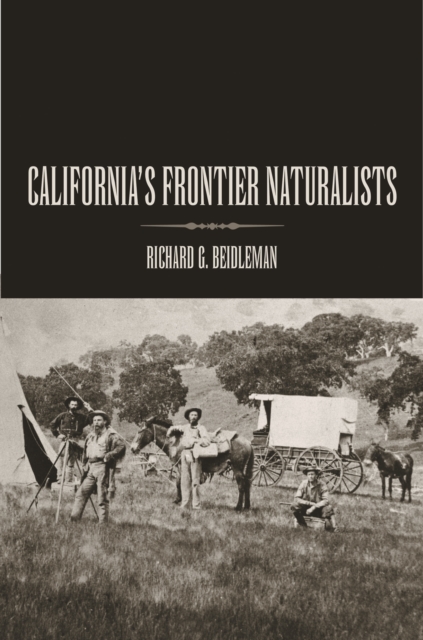
This book chronicles the fascinating story of the enthusiastic, stalwart, and talented naturalists who were drawn to California's spectacular natural bounty over the decades from 1786, when the La Perouse Expedition arrived at Monterey, to the Death Valley expedition in 1890-91, the proclaimed "e;end"e; of the American frontier.
The history of the American West is a history of struggles over land, and none has inspired so much passion and misunderstanding as the conflict between ranchers and the federal government over public grazing lands.
At a time when women could not vote and very few were involved in the world outside the home, Annie Montague Alexander (1867-1950) was an intrepid explorer, amateur naturalist, skilled markswoman, philanthropist, farmer, and founder and patron of two natural history museums at the University of California, Berkeley.
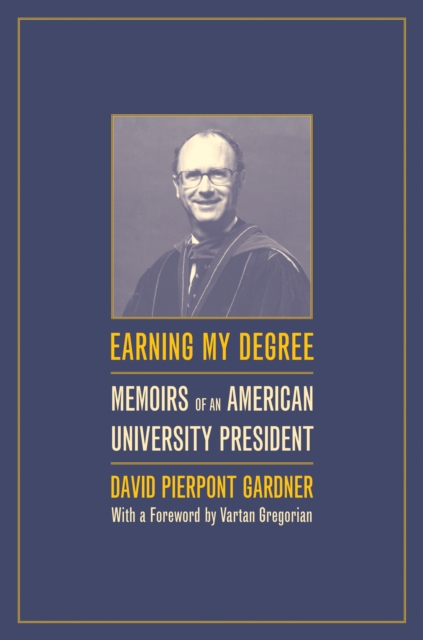
David Pierpont Gardner was president of one of the world's most distinguished centers of higher learning-the nine-campus University of California-from 1983 to 1992.
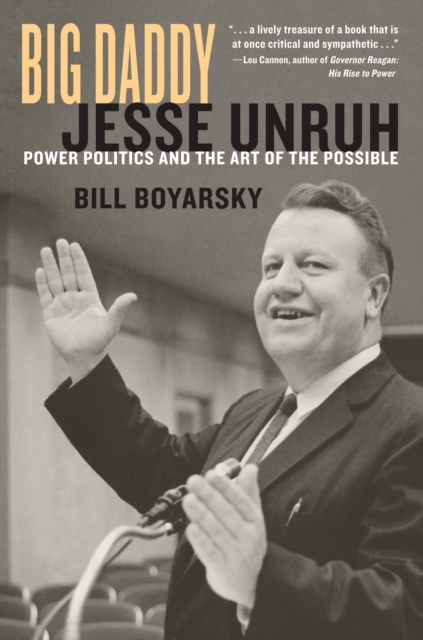
Revealing and frank, this highly engaging biography tells the story of an American original, California's Big Daddy, Jesse Unruh (1922-1987), a charismatic man whose power reached far beyond the offices he held.
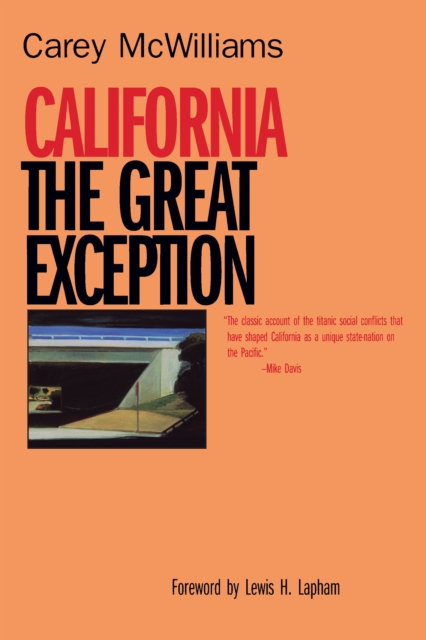
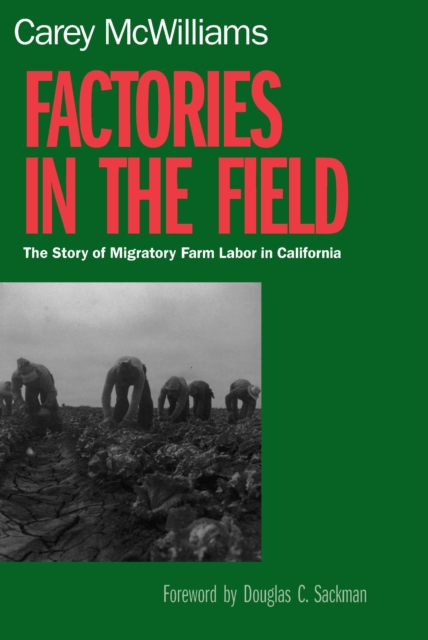
In 1949, lawyer, historian, and journalist Carey McWilliams stepped back to assess the state of California at the end of its first one hundred years-its history, population, politics, agriculture, and social concerns.
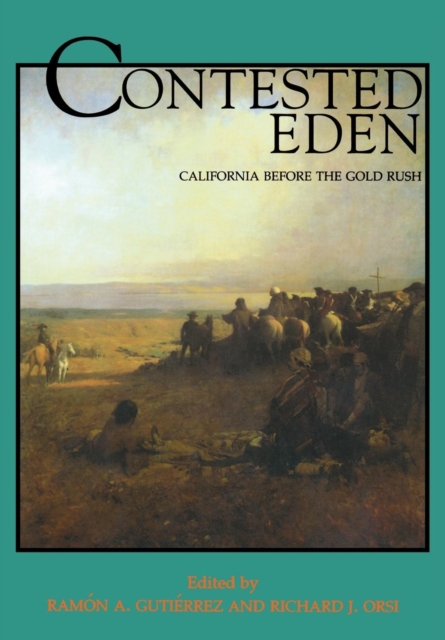
Celebrating the 150th birthday of the state of California offers the opportunity to reexamine the founding of modern California, from the earliest days through the Gold Rush and up to 1870.
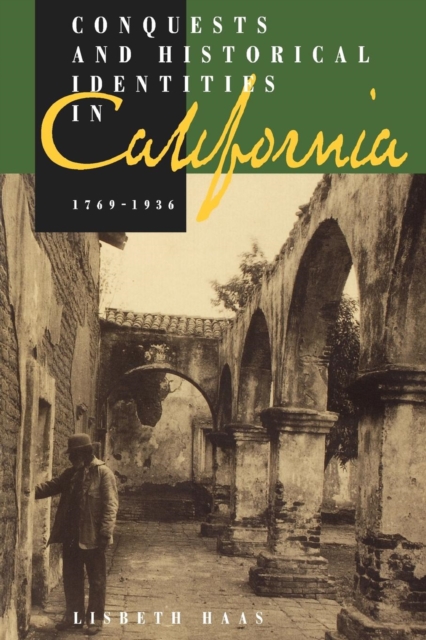
Spanning the period between Spanish colonization and the early twentieth century, this well-argued and convincing study examines the histories of Spanish and American conquests, and of ethnicity, race, and community in southern California.
San Francisco is perhaps the most exhilarating of all American cities--its beauty, cultural and political avant-gardism, and history are legendary, while its idiosyncrasies make front-page news.
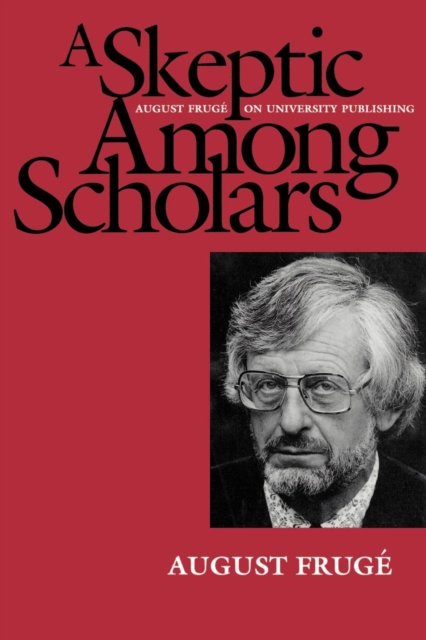
When August Fruge joined the University of California Press in 1944, it was part of the University's printing department, publishing a modest number of books a year, mainly monographs by UC faculty members.
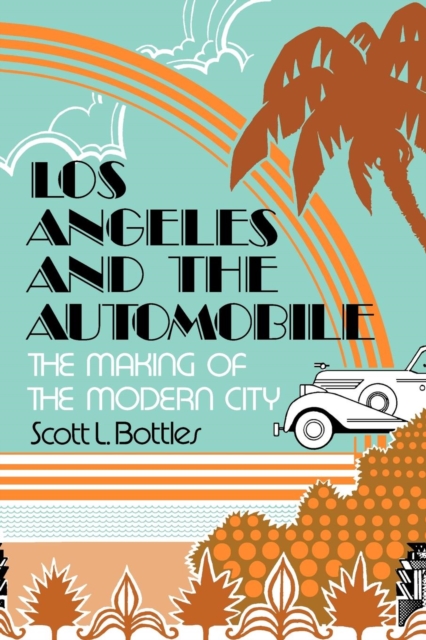
More comprehensive than any other book on this topic, Los Angeles and the Automobile places the evolution of Los Angeles within the context of American political and urban history.
It is not the purpose of this work to propose a specific format for the settlement of the citys current difficulties with the valley, to resolve the environmental questions associated with Los Angeless proposed groundwater pumping program, or to promote any cause associated with the developing situation in the Owens Valley.
Wide-Open Town traces the history of gay men and lesbians in San Francisco from the turn of the century, when queer bars emerged in San Francisco's tourist districts, to 1965, when a raid on a drag ball changed the course of queer history.
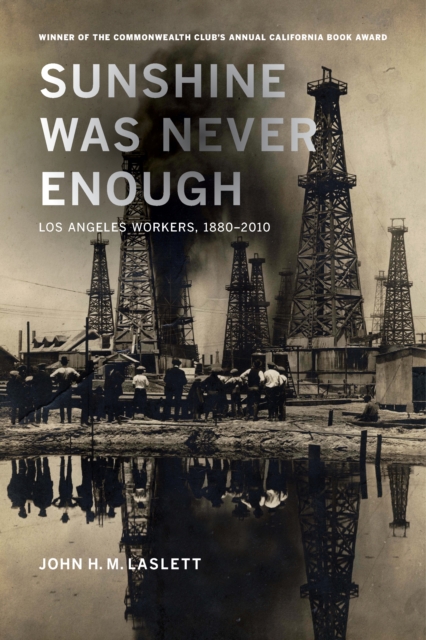
Delving beneath Southern California's popular image as a sunny frontier of leisure and ease, this book tells the dynamic story of the life and labor of Los Angeles's large working class.
From the California Indians who labored in the Spanish missions to the immigrant workers on Silicon Valley's high-tech assembly lines, California's work force has had a complex and turbulent past, marked by some of the sharpest and most significant battles fought by America's working people.
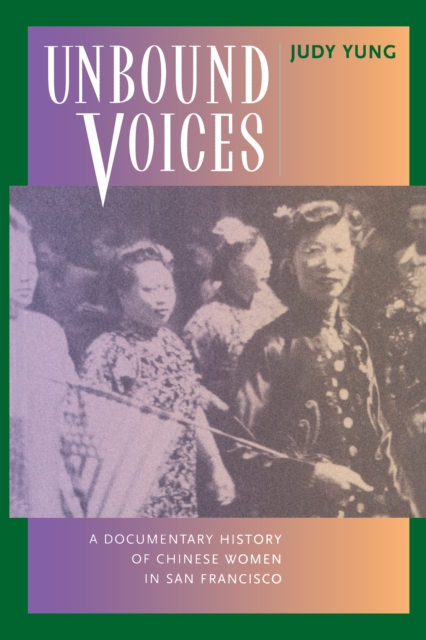
Unbound Voices brings together the voices of Chinese American women in a fascinating, intimate collection of documents-letters, essays, poems, autobiographies, speeches, testimonials, and oral histories-detailing half a century of their lives in America.