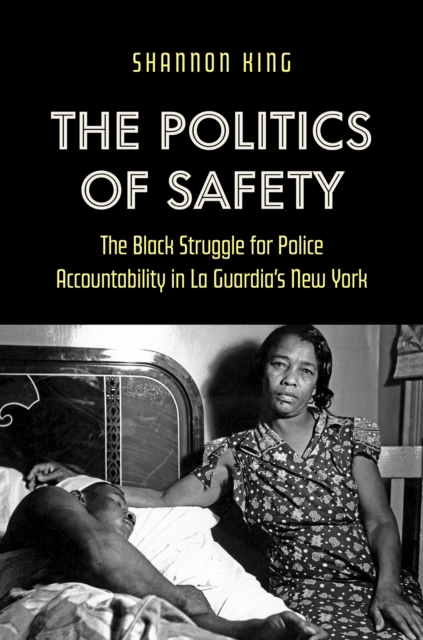
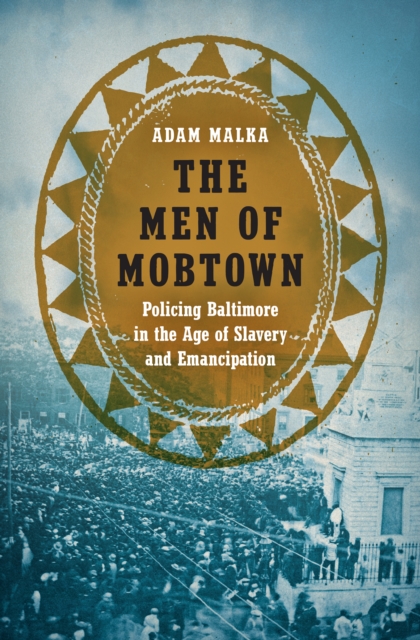
For much of the twentieth and twenty-first centuries, public officials in cities like New York, Chicago, and Baltimore have criminalized uprisings as portending Black thugs throwing rocks at police and plundering private property to undermine complaints of police violence.
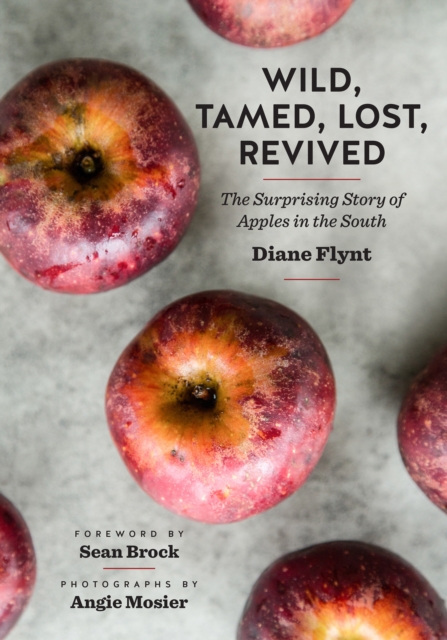
For anyone whos ever picked an apple fresh from the tree or enjoyed a glass of cider, writer and orchardist Diane Flynt offers a new history of the apple and how it changed the South and the nation.
For anyone whos ever picked an apple fresh from the tree or enjoyed a glass of cider, writer and orchardist Diane Flynt offers a new history of the apple and how it changed the South and the nation.
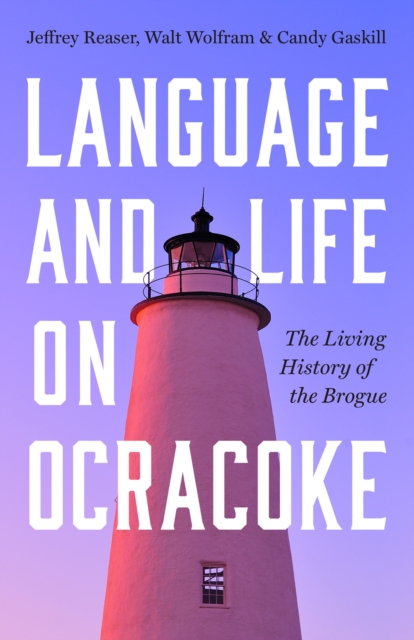
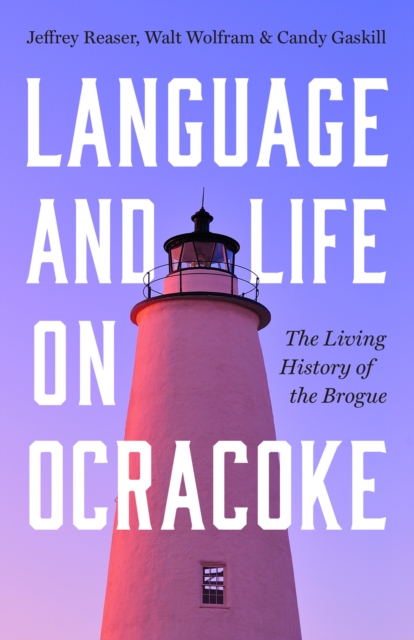
In this follow-up to the celebrated Hoi Toide on the Outer Banks, Jeffrey Reaser, Walt Wolfram, and Candy Gaskill have produced the most comprehensive linguistic look at Ocracoke yet.
In this follow-up to the celebrated Hoi Toide on the Outer Banks, Jeffrey Reaser, Walt Wolfram, and Candy Gaskill have produced the most comprehensive linguistic look at Ocracoke yet.
In 1717, the notorious pirate Blackbeard captured a French slaving vessel off the coast of Martinique and made it his flagship, renaming it Queen Annes Revenge.
Offering a comprehensive view of the Souths literary landscape, past and present, this volume of The New Encyclopedia of Southern Culture celebrates the regions ever-flourishing literary culture and recognizes the ongoing evolution of the southern literary canon.
The fifth volume of The New Encyclopedia of Southern Culture explores language and dialect in the South, including English and its numerous regional variants, Native American languages, and other non-English languages spoken over time by the regions immigrant communities.
In this richly detailed and imaginatively researched study, Victoria Bynum investigates unruly women in central North Carolina before and during the Civil War.
Inspired by a companion exhibition, Southern/Modern is the first book to survey progressive art created in the American South during the first half of the twentieth century.
Inspired by a companion exhibition, Southern/Modern is the first book to survey progressive art created in the American South during the first half of the twentieth century.
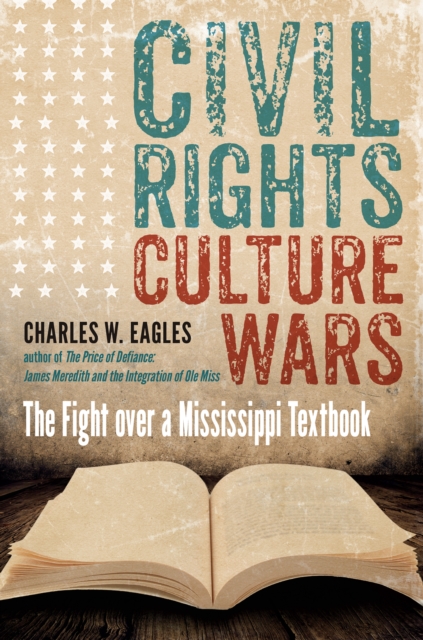
Just as Mississippi whites in the 1950s and 1960s had fought to maintain school segregation, they battled in the 1970s to control the school curriculum.
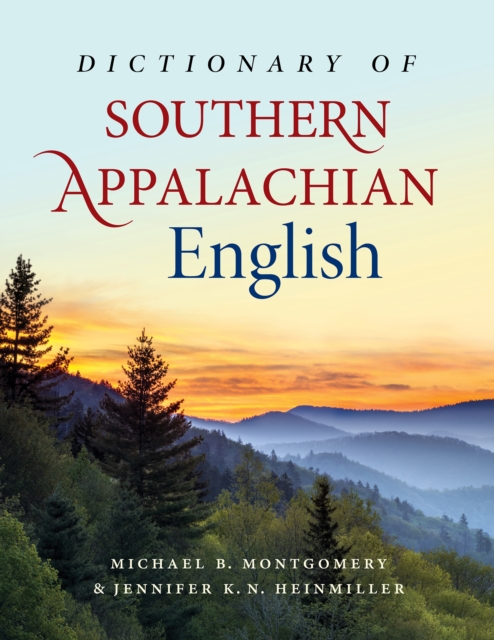
The Dictionary of Southern Appalachian English is a revised and expanded edition of the Weatherford Awardwinning Dictionary of Smoky Mountain English, published in 2005 and known in Appalachian studies circles as the most comprehensive reference work dedicated to Appalachian vernacular and linguistic practice.
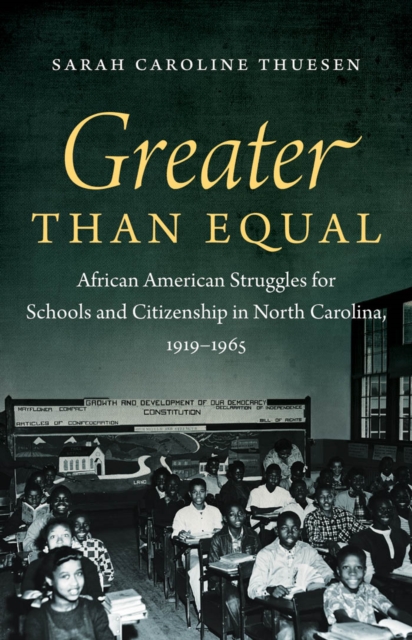
During the half century preceding widespread school integration, black North Carolinians engaged in a dramatic struggle for equal educational opportunity as segregated schooling flourished.
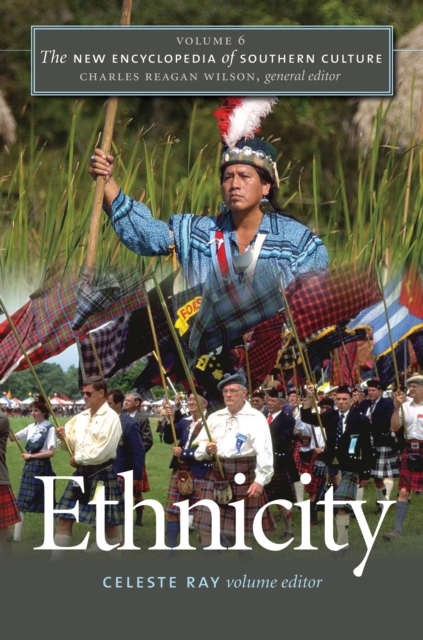
Transcending familiar categories of black and white, this volume of The New Encyclopedia of Southern Culture complicates and enriches our understanding of southernness by identifying the array of cultures that combined to shape the South.
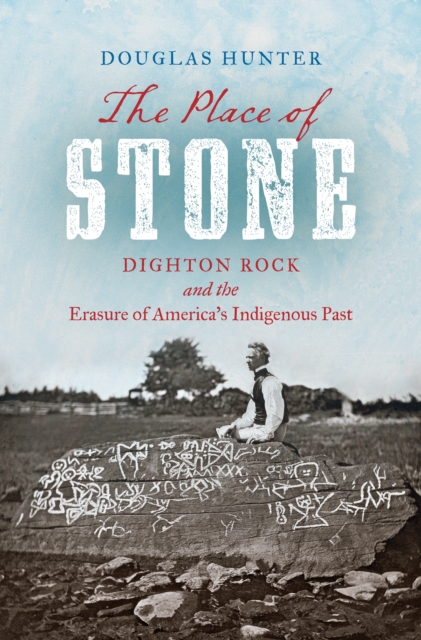
Claimed by many to be the most frequently documented artifact in American archeology, Dighton Rock is a forty-ton boulder covered in petroglyphs in southern Massachusetts.
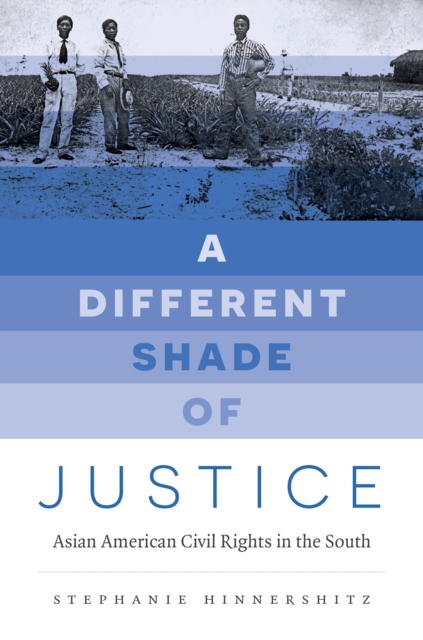
In the Jim Crow South, Chinese, Filipino, Japanese, and, later, Vietnamese and Indian Americans faced obstacles similar to those experienced by African Americans in their fight for civil and human rights.
During the 1920s and 1930s, anthropologists and folklorists became obsessed with uncovering connections between African Americans and their African roots.
Southern music has flourished as a meeting ground for the traditions of West African and European peoples in the region, leading to the evolution of various traditional folk genres, bluegrass, country, jazz, gospel, rock, blues, and southern hip-hop.
In his captivating study of faith and class, John Hayes examines the ways folk religion in the early twentieth century allowed the Souths poor both white and black to listen, borrow, and learn from each other about what it meant to live as Christians in a world of severe struggle.
William Links account of the transformation of Virginias country schools between 1870 and 1920 fills important gaps in the history of education and the social history of the South.
This volume of The New Encyclopedia of Southern Culture reflects the dramatic increase in research on the topic of gender over the past thirty years, revealing that even the most familiar subjects take on new significance when viewed through the lens of gender.
At a time when race and inequality dominate national debates, the story of West Charlotte High School illuminates the possibilities and challenges of using racial and economic desegregation to foster educational equality.
This informative and engaging book tells the true stories of the hurricanes that had the greatest impact on North Carolina and South Carolina, from the eighteenth century to the present day.
Against the background of a distinctive Lowland society transformed by commercializing and Anglicizing influences in the years after Scotland's union with England, the author traces the establishment of the East Jersey colony in 1683 and its spread westward to incorporate the whole of the New York to Philadelphia corridor.
The 1830s forced removal of Cherokees from their southeastern homeland became the most famous event in the Indian history of the American South, an episode taken to exemplify a broader experience of injustice suffered by Native peoples.
In telling the story of the North Carolina Railroads independent years (1849-71), Trelease covers all aspects of the company and its development, including its construction and rolling stock; its management, labor force, and labor policies; its passenger and freight operations; and its role in the Civil War.
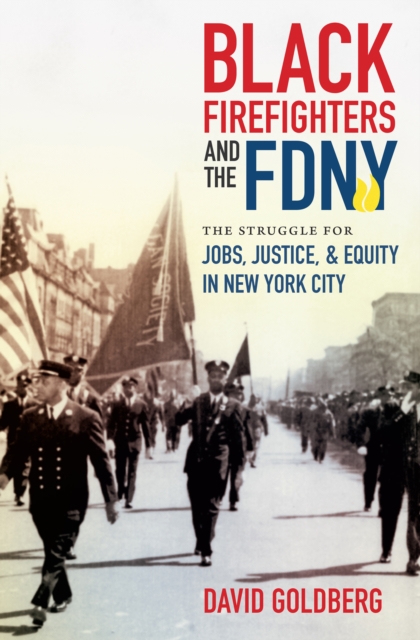
For many African Americans, getting a public sector job has historically been one of the few paths to the financial stability of the middle class, and in New York City, few such jobs were as sought-after as positions in the fire department (FDNY).
From the southern influence on nineteenth-century New York to the musical legacy of late-twentieth-century Athens, Georgia, to the cutting-edge cuisines of twenty-first-century Asheville, North Carolina, the bohemian South has long contested traditional views of the region.
This is a carefully researched and completely rewritten version of Adelaide Friess 1949 history that traced the Forsyth story from its Moravian beginnings through the joining of Winston and Salem and concluded with a forward look to Wake Forest College as a key to future cultural growth.
In the mid-1990s, residents of Anniston, Alabama, began a legal fight against the agrochemical company Monsanto over the dumping of PCBs in the citys historically African American and white working-class west side.