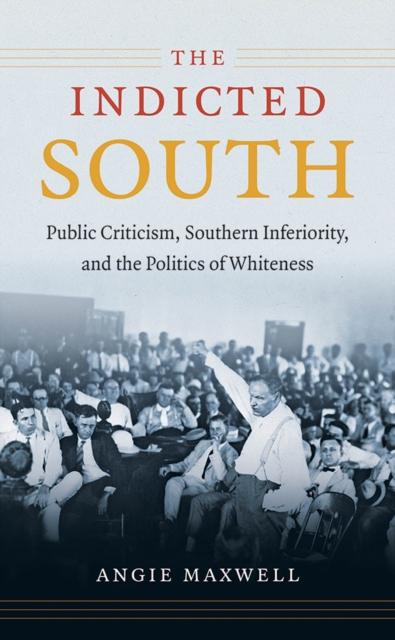
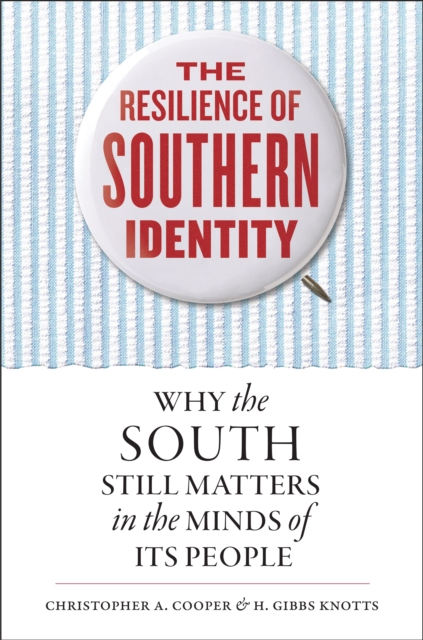
By the 1920s, the sectional reconciliation that had seemed achievable after Reconstruction was foundering, and the South was increasingly perceived and portrayed as impoverished, uneducated, and backward.
In this intriguing book, Hendrik Hartog uses a forgotten 1840 case to explore the regime of gradual emancipation that took place in New Jersey over the first half of the nineteenth century.
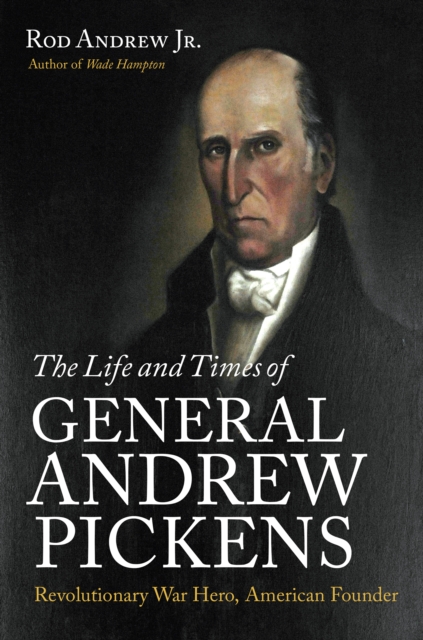
Andrew Pickens (17391817), the hard-fighting South Carolina militia commander of the American Revolution, was the hero of many victories against British and Loyalist forces.
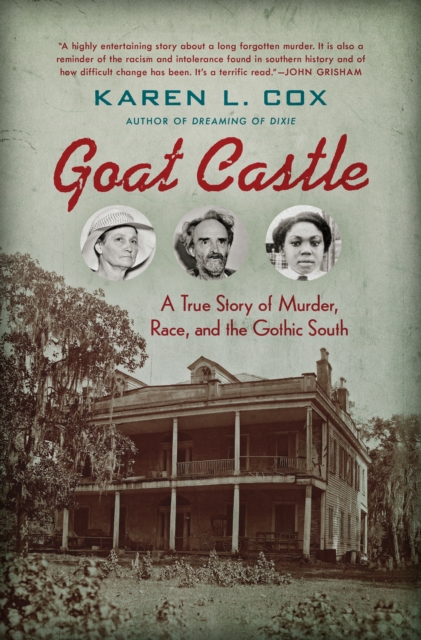
In 1932, the city of Natchez, Mississippi, reckoned with an unexpected influx of journalists and tourists as the lurid story of a local murder was splashed across headlines nationwide.
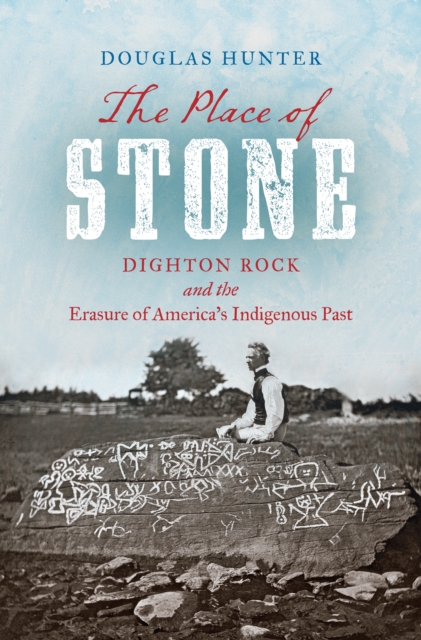
Claimed by many to be the most frequently documented artifact in American archeology, Dighton Rock is a forty-ton boulder covered in petroglyphs in southern Massachusetts.
In their own picturesque speech, an older generation of men and women in North Carolina paint a vivid image of home and family life in the southern Appalachian mountains around the turn of the century.
From semitropical coastal areas to high mountain terrain, from swampy lowlands to modern cities, the environment holds a fundamental importance in shaping the character of the American South.
Poised on the edge of the United States and at the center of a wider Caribbean world, todays Miami is marketed as an international tourist hub that embraces gender and sexual difference.
From the seventeenth through the nineteenth centuries, a steady stream of Scots migrated to Ulster and eventually onward across the Atlantic to resettle in the United States.
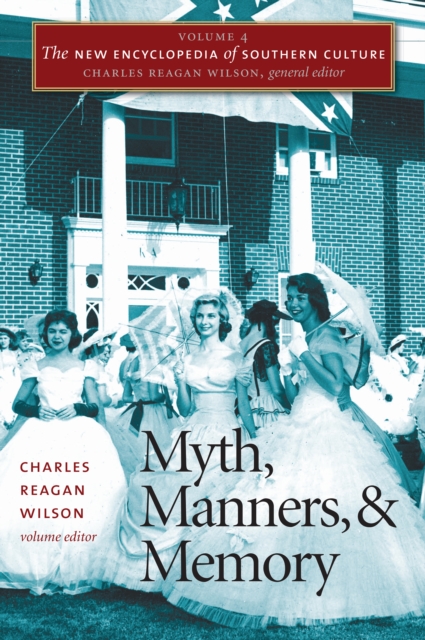
This volume of The New Encyclopedia of Southern Culture addresses the cultural, social, and intellectual terrain of myth, manners, and historical memory in the American South.
In this second volume Constance Green describes the development of the local community, its citizens and institutions, through the years following World War II.
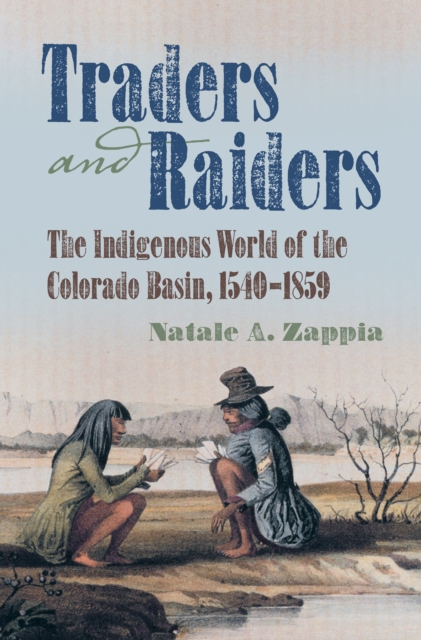
The Colorado River region looms large in the history of the American West, vitally important in the designs and dreams of Euro-Americans since the first Spanish journey up the river in the sixteenth century.
From the seventeenth through the nineteenth centuries, a steady stream of Scots migrated to Ulster and eventually onward across the Atlantic to resettle in the United States.
This informative and engaging book tells the true stories of the hurricanes that had the greatest impact on North Carolina and South Carolina, from the eighteenth century to the present day.
The Dictionary of Southern Appalachian English is a revised and expanded edition of the Weatherford Awardwinning Dictionary of Smoky Mountain English, published in 2005 and known in Appalachian studies circles as the most comprehensive reference work dedicated to Appalachian vernacular and linguistic practice.
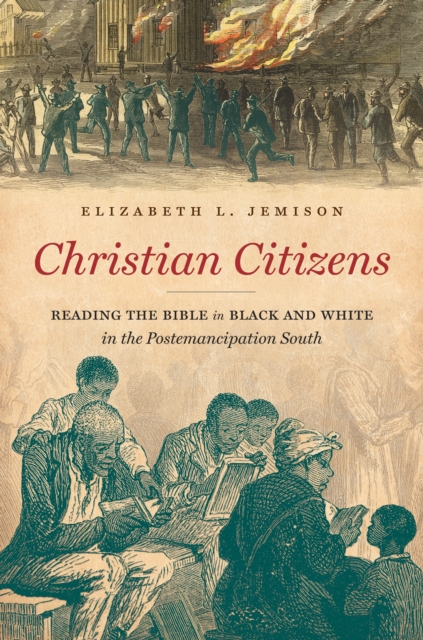
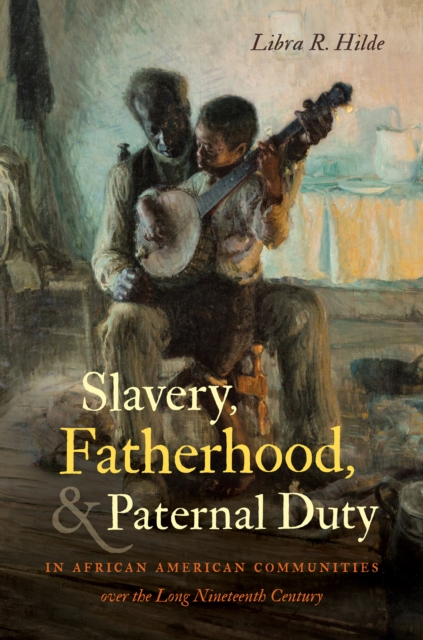
African American freedom is often defined in terms of emancipation and civil rights legislation, but it did not arrive with the stroke of a pen or the rap of a gavel.
In telling the story of the North Carolina Railroads independent years (1849-71), Trelease covers all aspects of the company and its development, including its construction and rolling stock; its management, labor force, and labor policies; its passenger and freight operations; and its role in the Civil War.
This is a carefully researched and completely rewritten version of Adelaide Friess 1949 history that traced the Forsyth story from its Moravian beginnings through the joining of Winston and Salem and concluded with a forward look to Wake Forest College as a key to future cultural growth.
William Links account of the transformation of Virginias country schools between 1870 and 1920 fills important gaps in the history of education and the social history of the South.
In this intriguing book, Hendrik Hartog uses a forgotten 1840 case to explore the regime of gradual emancipation that took place in New Jersey over the first half of the nineteenth century.
In 1717, the notorious pirate Blackbeard captured a French slaving vessel off the coast of Martinique and made it his flagship, renaming it Queen Annes Revenge.
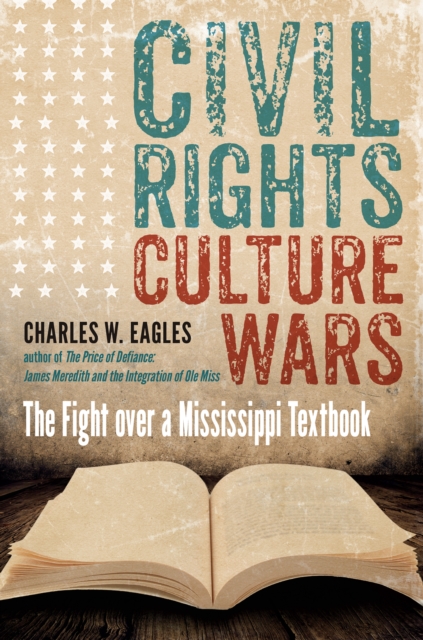
Just as Mississippi whites in the 1950s and 1960s had fought to maintain school segregation, they battled in the 1970s to control the school curriculum.
Andrew Pickens (17391817), the hard-fighting South Carolina militia commander of the American Revolution, was the hero of many victories against British and Loyalist forces.
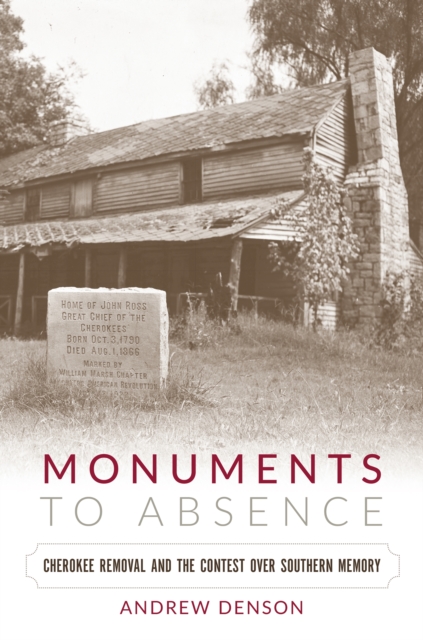
The 1830s forced removal of Cherokees from their southeastern homeland became the most famous event in the Indian history of the American South, an episode taken to exemplify a broader experience of injustice suffered by Native peoples.
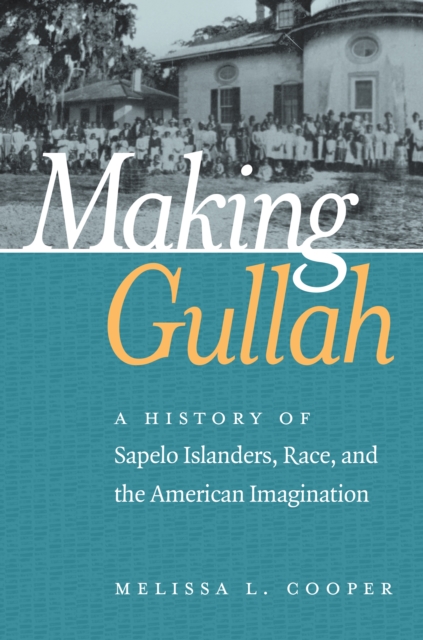
During the 1920s and 1930s, anthropologists and folklorists became obsessed with uncovering connections between African Americans and their African roots.
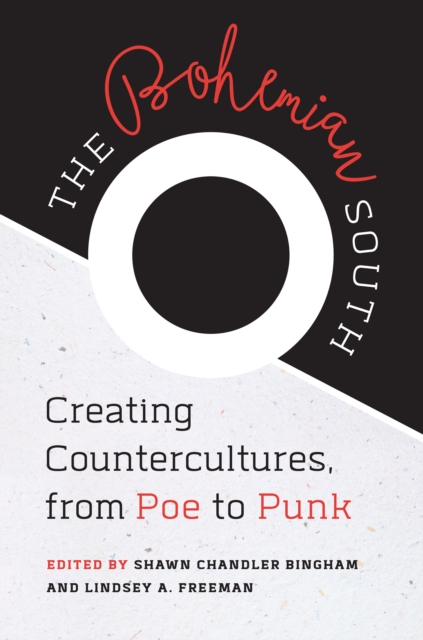
From the southern influence on nineteenth-century New York to the musical legacy of late-twentieth-century Athens, Georgia, to the cutting-edge cuisines of twenty-first-century Asheville, North Carolina, the bohemian South has long contested traditional views of the region.
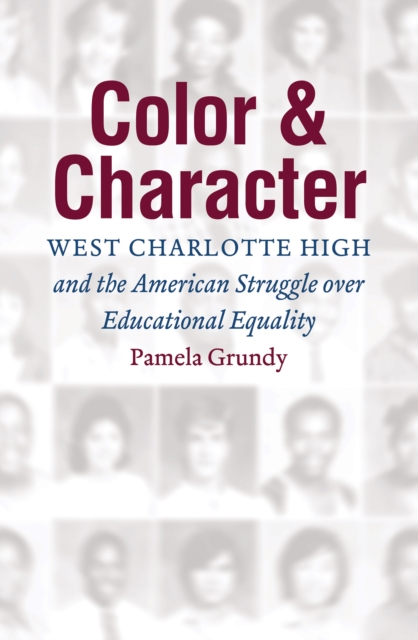
At a time when race and inequality dominate national debates, the story of West Charlotte High School illuminates the possibilities and challenges of using racial and economic desegregation to foster educational equality.
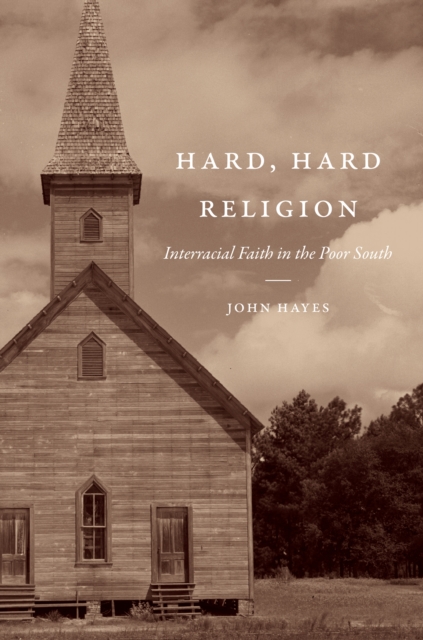
In his captivating study of faith and class, John Hayes examines the ways folk religion in the early twentieth century allowed the Souths poor both white and black to listen, borrow, and learn from each other about what it meant to live as Christians in a world of severe struggle.
Poised on the edge of the United States and at the center of a wider Caribbean world, todays Miami is marketed as an international tourist hub that embraces gender and sexual difference.