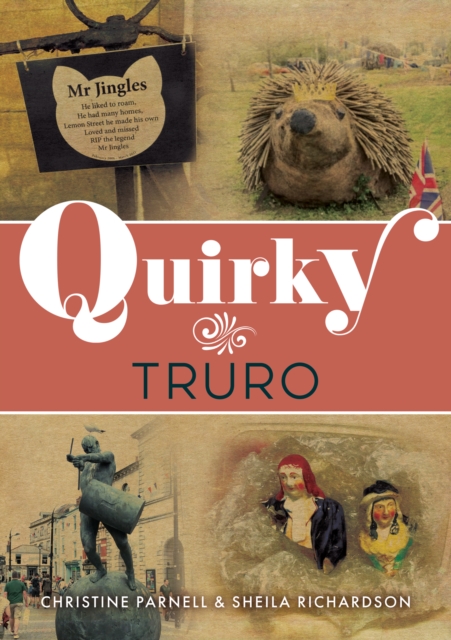
Truro grew up around its medieval castle, deriving its wealth as an inland port, lying on the confluence of two rivers 9 miles from the sea, and as a stannary town.
Chester's history goes back 2,000 years, from the Romans to recent times, and in the course of the centuries the city has witnessed many dark deeds and events.
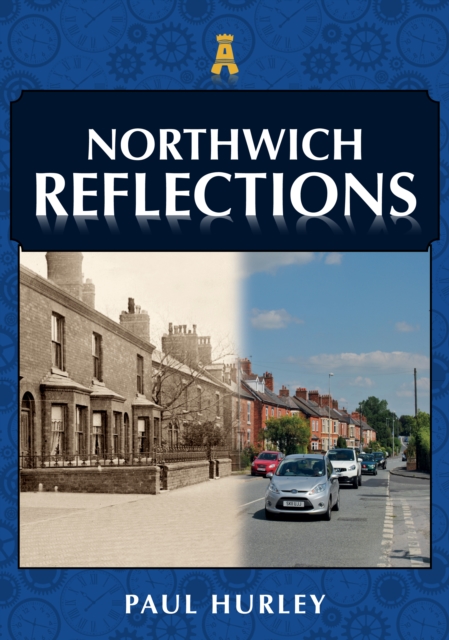
During Roman times, Northwich was known as 'Salinae' or the 'salt works', and later by the Celtic name 'Hellath Dhu', or the black salt town by the Ancient Britons.
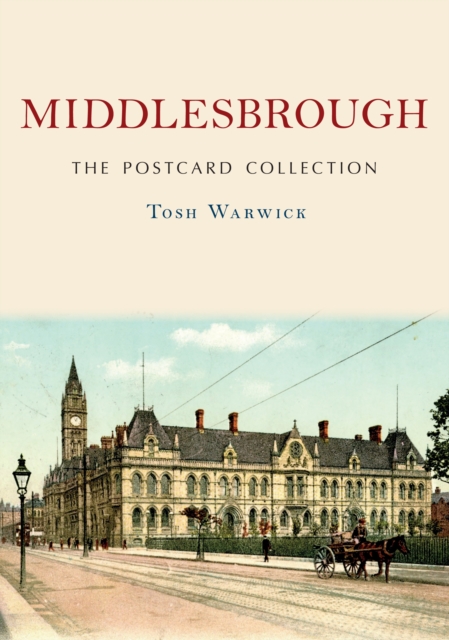
Middlesbrough boasts a rich, diverse history and heritage that brings together tales of unprecedented industrial development, rapid urban expansion, the cultivation of new cultural institutions and a proud sporting heritage that has helped put the town on the map.
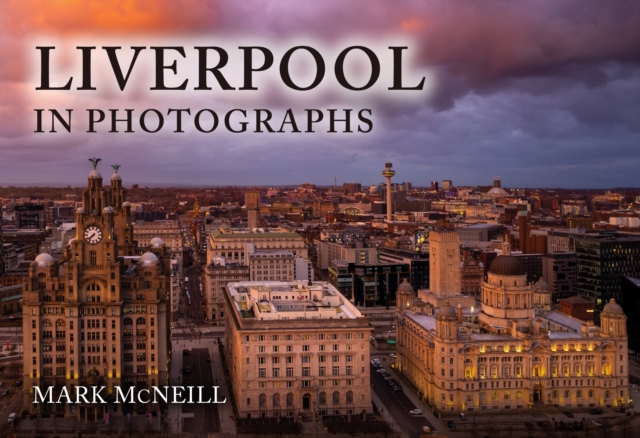
In the eighteenth century, Liverpool's position as a favoured port for Britain's growing Atlantic trade to the West Indies and America allowed it to expand rapidly.
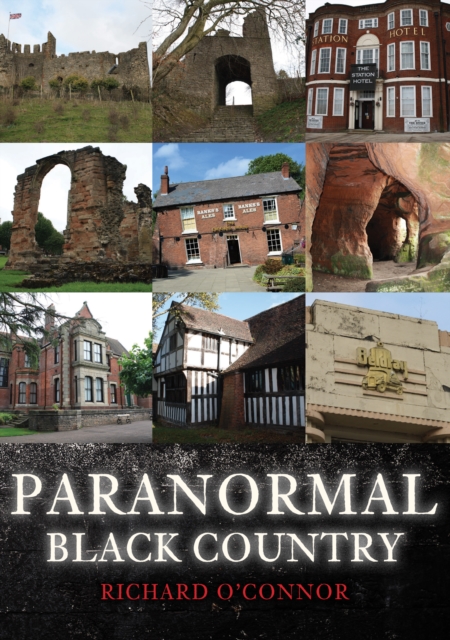
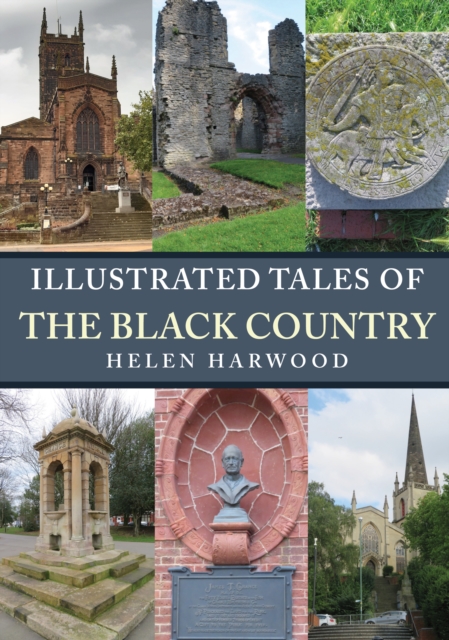
Regarded worldwide as the birthplace of the Industrial Revolution, the Black Country has a long and diverse history, where countless ghostly tales are born.
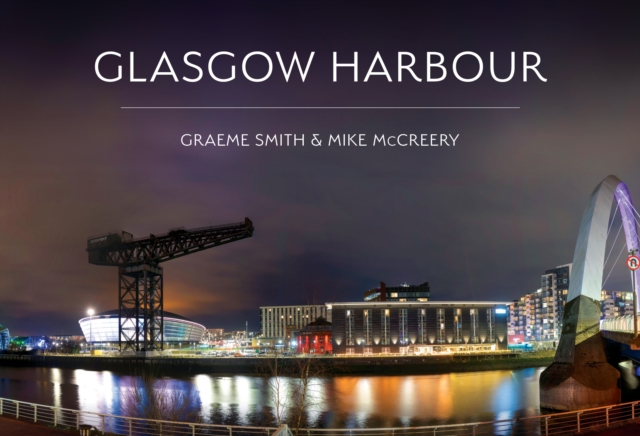
Glasgow Harbour, the port and shipbuilding centre along the River Clyde from Glasgow Green to the River Kelvin and beyond to Clydebank, became the greatest seaport in Scotland and one of the largest in Britain.
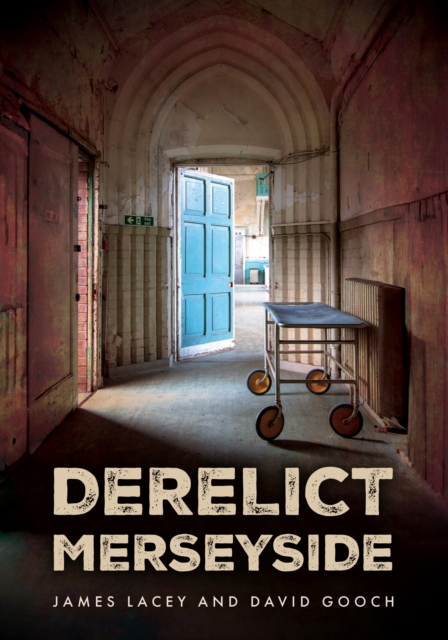
In this collection of haunting images, photographers James Lacey and David Gooch have brought to the light the fascination of derelict and abandoned buildings and other structures around Liverpool and Merseyside.
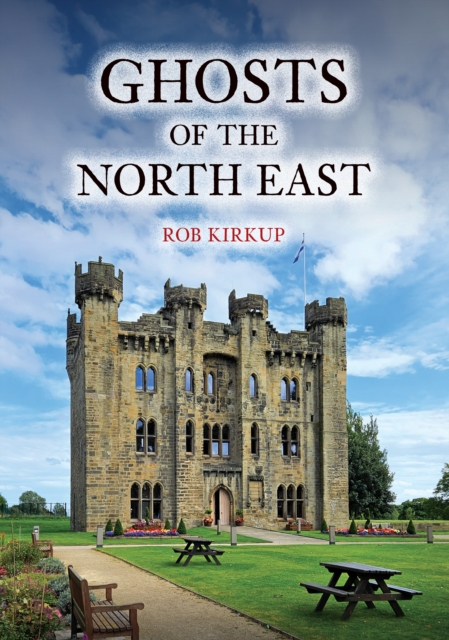
The north-east of England - Durham, Northumberland, Tyne and Wear, and Teesside - has witnessed many grisly and tragic events over the centuries and it is no surprise that it is one of the most haunted parts of the country.
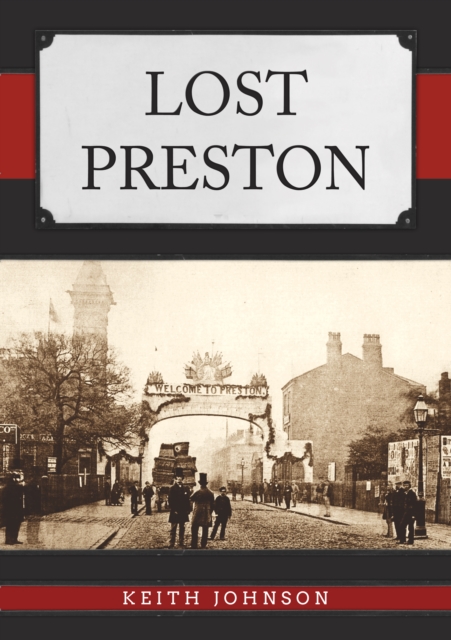
Preston was awarded city status in 2002 and has played an important part in Lancashire's history since the Middle Ages, when it was a centre for wool production and weaving.
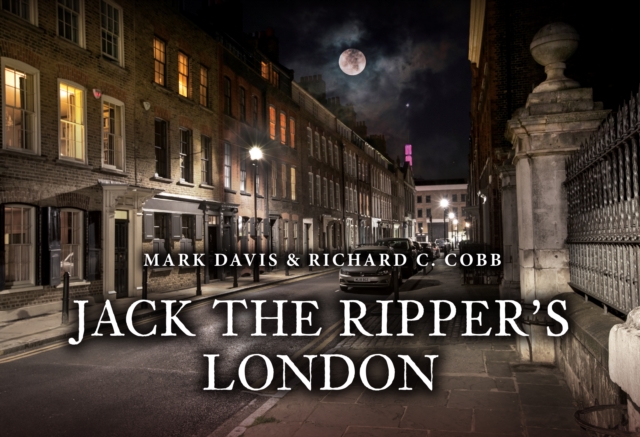
Although the story of Jack the Ripper has been told many times, the crime scene locations and the killing ground which he and his unfortunate victims would have been familiar with has been largely left unknown.
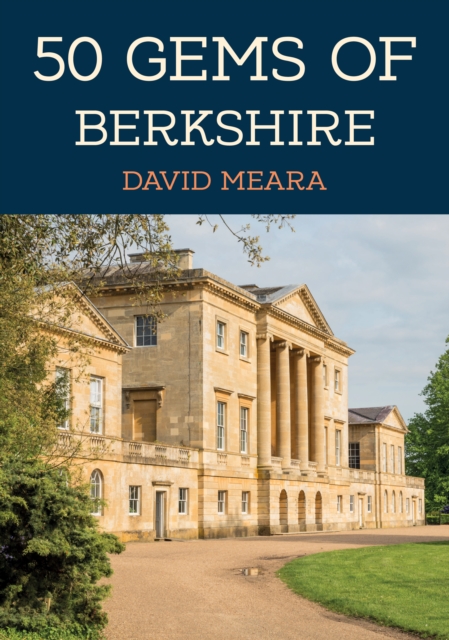
The county of Berkshire is home to a through route from east to west following the River Thames, the ancient Ridgeway, the A4 trunk road, the Kennet and Avon Canal and the Great Western Railway.
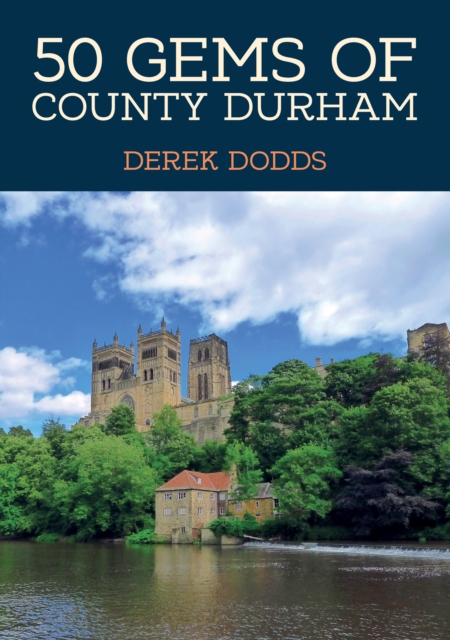
Stretching almost 40 miles between the rivers Derwent, Tyne and Tees, and contained roughly by the Pennines to the west and the North Sea on the east, County Durham has retained a unique sense of identity and independence.
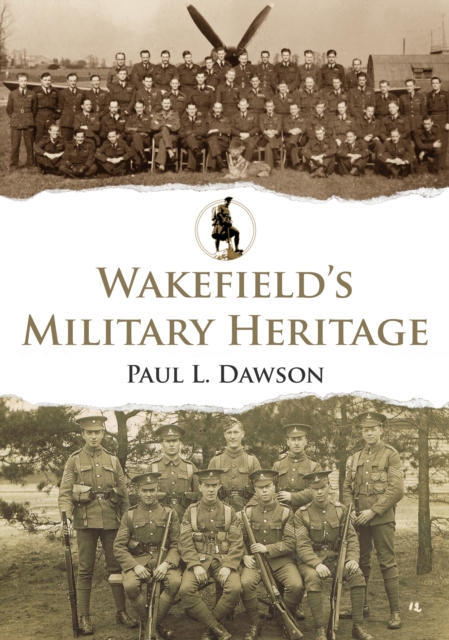
Following the Norman Conquest, the manor of Wakefield became a Norman stronghold, with castles being built at Sandal and Wakefield by the Warenne family, earls of Surrey.
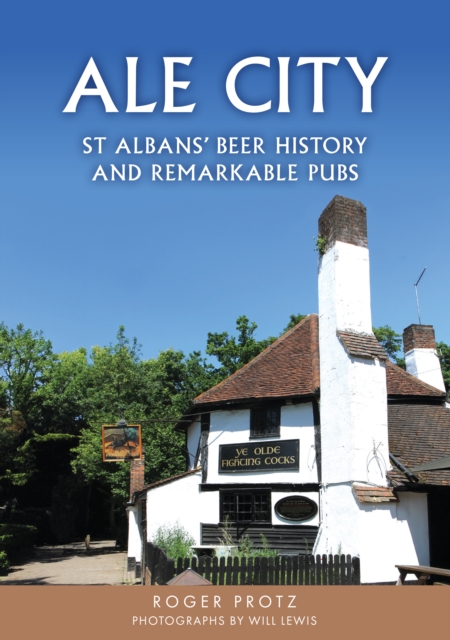
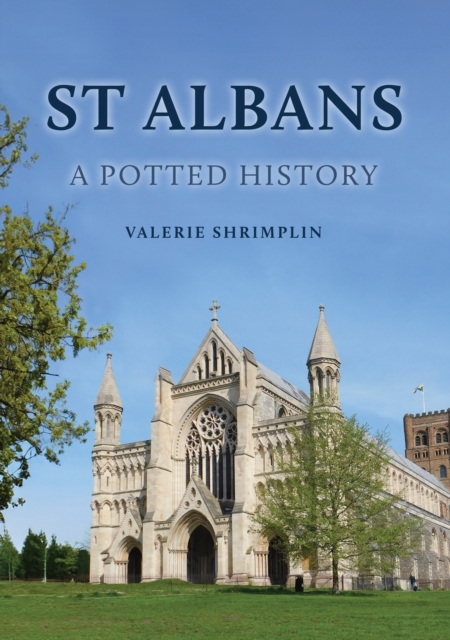
St Albans has an incredibly varied history and has been directly involved in major historical trends and events in Britain from the Romans to the present day.