The small market town of Bungay, situated close to the River Waveney on the Norfolk-Suffolk border, has been continuously settled by Iron Age, Roman and Saxon communities.
Ripon is one of England's smallest cities, and has a long history that encompasses saints, actors, marquesses, mayors, murderers, writers and eccentrics.
The quiet Sussex town of Seaford, halfway between Eastbourne and Brighton, is often overlooked as a holiday destination but it has an abundant and fascinating history.
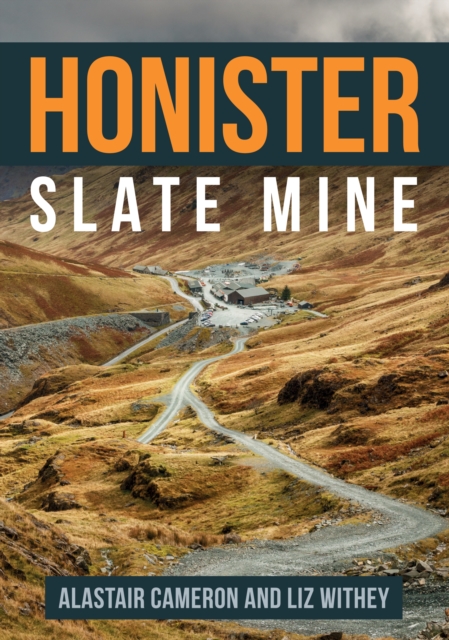
Utilising a wealth of rare and unpublished images from official archives, authors Alastair Cameron and Liz Withey tell the story behind the development of the Honister Slate Mine in the Lake District.
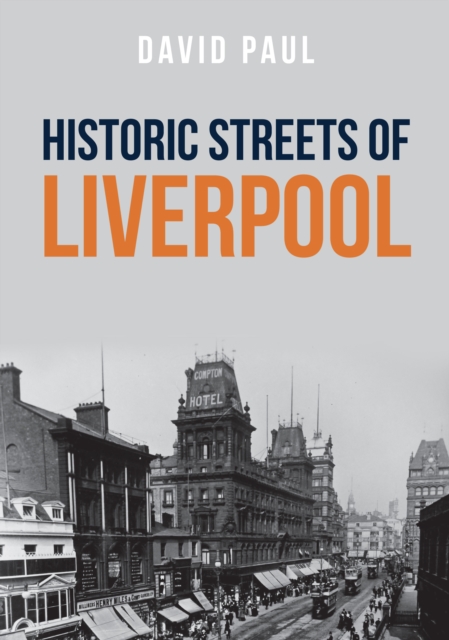
The thriving city of Liverpool has become particularly well known over the last century for its maritime industry, contributions to sport and, of course, its legendary musical heritage.
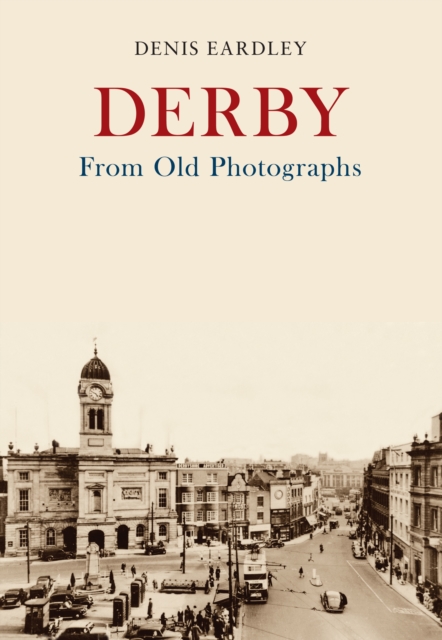
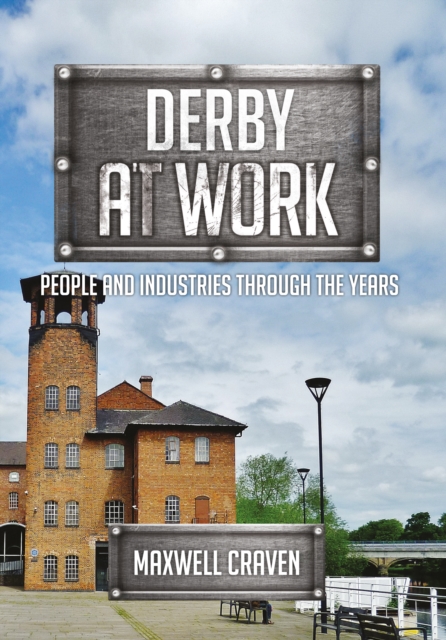
This fascinating collection of over 180 images shows, in fine detail, some of the changes that have taken place in Derby over a period of more than 150 years.
Rye and Winchelsea's unhurried appearance and ancient buildings disguise a history that ranges from Danish and French invaders to the notorious Hawkhurst gang of smugglers.
The history of the Medway Towns is synonymous with the large-scale military industrial complex that was centred on the dockyard, military barracks and various fortifications.
St Andrews is famous the world over as being the home of golf but although golf clubs are still designed and manufactured here, there's a lot more to the town than drivers and putters.
Every year the general public find thousands of ancient objects and coins, many of which are recorded with the British Museum's Portable Antiquities Scheme (PAS).
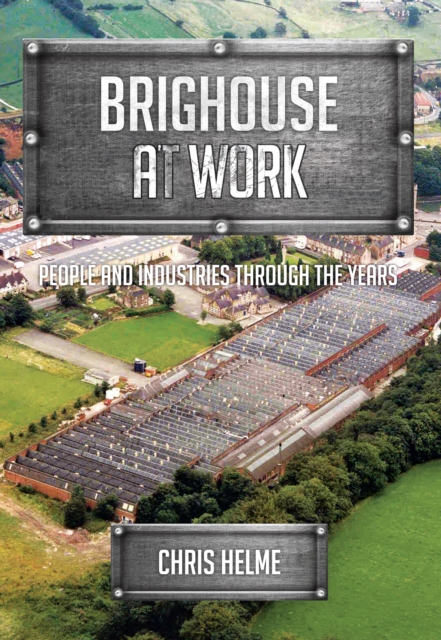
From a small hamlet and a bridge, the town of Brighouse in Calderdale grew rapidly with the building of the Calder and Hebble Navigation in the late eighteenth century, which led to the development of the town's successful textiles industries.
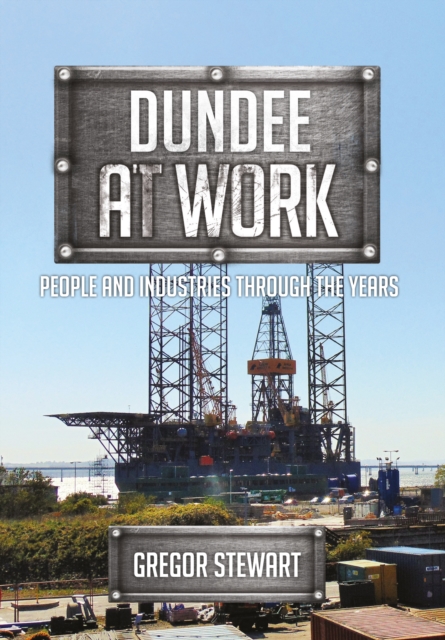
Dundee is rightly proud of its industrial heritage and today can lay claim to being at the forefront of developments in many areas of scientific research and technology.
Secret Llandudno offers a unique insight into the 'Queen of the Welsh Resorts' through a series of little-known and forgotten stories, facts and anecdotes.
From its earliest days as a major Roman fortress to its current status as one of Britain's most visited tourist destinations, Chester has a proud and distinctive identity.
At the start of the eighteenth century London had almost 200 breweries producing close on 2 million barrels of beer every year, making the mighty metropolis the brewing capital of the world.
When the new town established in East Shropshire acquired the name 'Telford' in 1968, sign boards set up on major roads entering the designated area announced, 'Telford - Birthplace of Industry'.
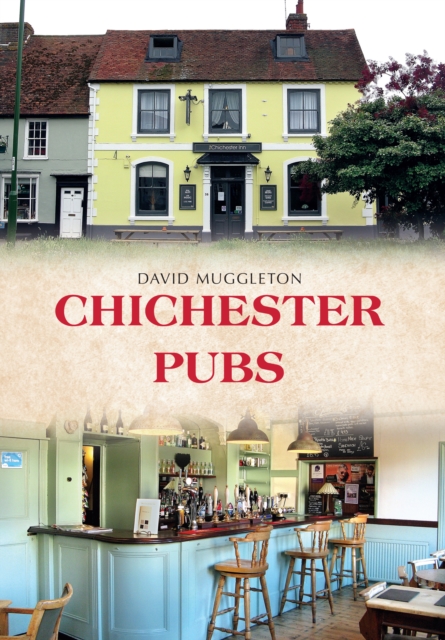
As a principal market town, many of Chichester's inns and taverns were established at an early date, including those offering hospitality for pilgrims travelling to the cathedral for worship at the thirteenth-century shine of St Richard.
Straddling the Derwent River, the cathedral city of Derby, its foundations in the Roman occupation of Britain, can directly attribute its contemporary status to the Industrial Revolution.
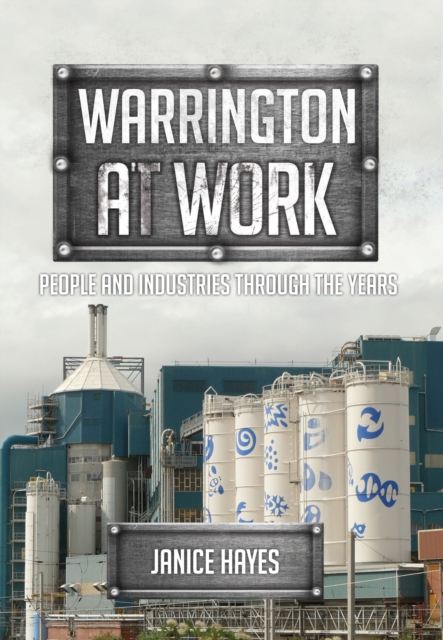
From its heyday in the nineteenth century as a major manufacturing town and centre of wire-making, textiles, tanning, chemical production and brewing through to its designation as a new town in the late 1960s and subsequent development as a thriving business and commercial centre, Warrington has always proudly called itself the 'Town of Many Industries', having a varied economy that created one of the great industrial centres of north-west England.