Saltaire History Touris a unique insight into the illustrious history of Titus Salt's model industrial village and how it has changed since acquiring the status of a World Heritage Site.
The market town of Altrincham, historically part of Cheshire but now part of the Metropolitan Borough of Trafford, has a rich history dating back to its charter as a free borough and the establishment of a market in 1290.
Secret Chester offers a unique insight into one of England's most visited cities through a series of little-known and forgotten stories, facts and anecdotes.
Cirencester at War is a pictoral record of the main events of the Second World War as they impacted on the town of Cirencester and its surrounding district.
Secret Rotherham offers a unique insight into this bustling, modern South Yorkshire town through a series of little-known and forgotten stories, facts and anecdotes from its past.
The port of Kingston upon Hull is one of England's most historical and diverse cities, and boasts a wealth of taverns, inns, alehouses and public houses.
Lancaster was once a small Roman outpost located on the River Lune that over the centuries expanded into one of the most important hubs in the North West.
From the time when it controlled the world's worsted cloth industry to its current status as a melting pot of different cultures, Bradford has a proud and distinctive identity.
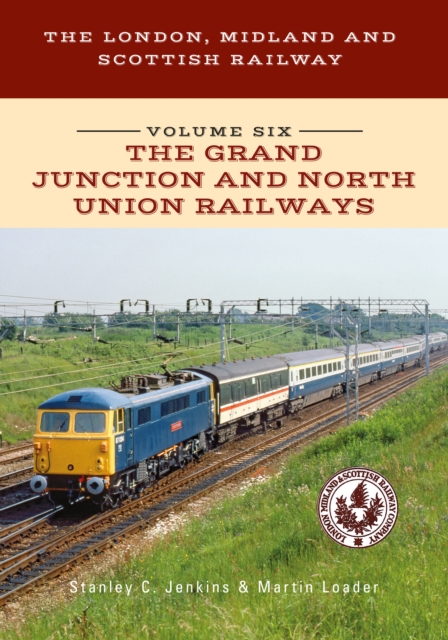
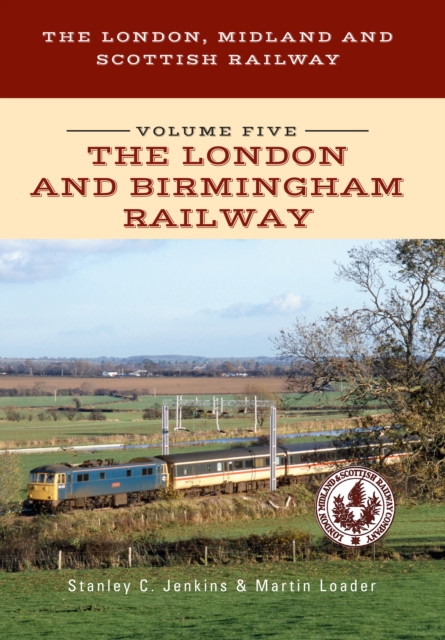
Approved in May 1833 at the same time as the London & Birmingham Railway, the Grand Junction Railway was intended to act as a link between the London & Birmingham and the Liverpool & Manchester Railway.
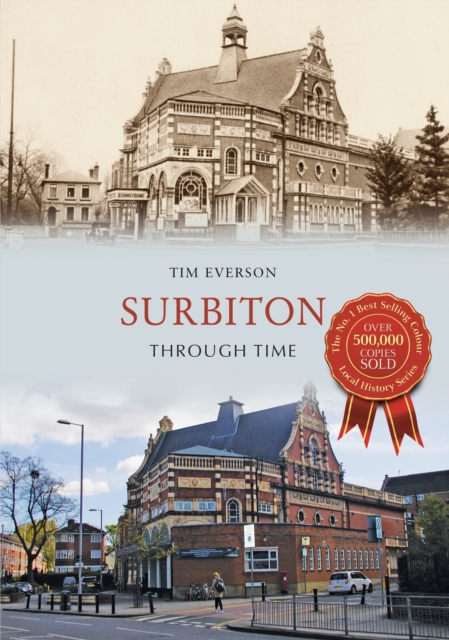
The south-west London suburb of Surbiton, part of the Royal Borough of Kingston upon Thames, came into being after a plan to build a London-Southampton rail line took a route somewhat to the south of Kingston.
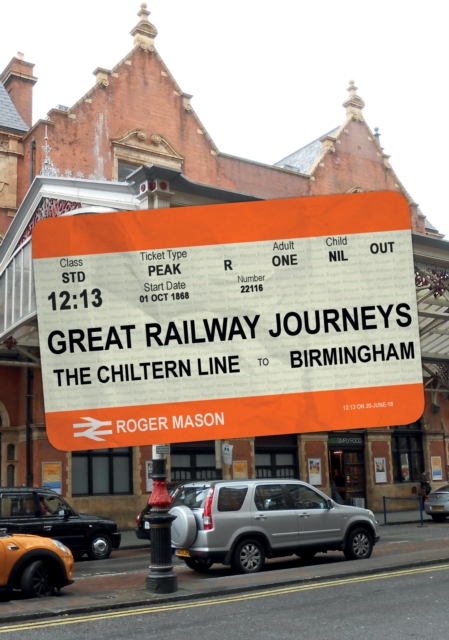
Great Railway Journeys: The Chiltern Line to Birmingham is a record of forty fascinating sites that can be seen from the window of a train travelling from Marylebone Station in London to Moor Street Station in Birmingham.
Southwark is one of London's oldest and most intriguing neighbourhoods; a hotbed of culture and commerce that has played a major part in the development of the capital.
From its days as a small and relatively insignificant regional town, through its growing prominence in the early nineteenth century as a major port for the export of coal from South Wales, to its current status as national capital and major tourist centre, Cardiff has a proud and distinctive identity.
Secret Kendal offers a unique insight into the 'Gateway to the Lakes' through a series of little-known and forgotten stories, facts and anecdotes from its past.
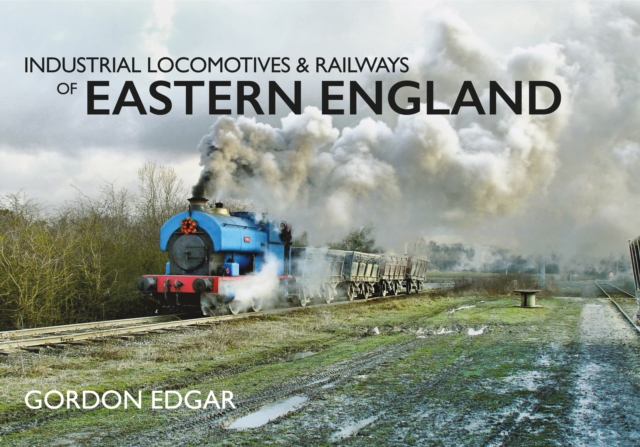
The fourth in a regional series of books examining the industrial locomotives and railways of England, Wales and Scotland, this volume covers the counties of Essex, Cambridgeshire, Suffolk, Norfolk, Lincolnshire and East Nottinghamshire.
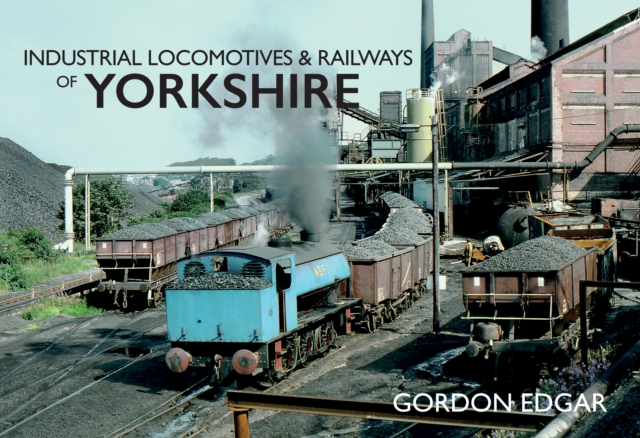
This seventh volume in the series of regional books examining the industrial railways of England, Wales and Scotland looks at railways of the former Ridings of Yorkshire, a region that once boasted widespread coal mining activities, which strongly influenced the county's fortunes throughout the nineteenth and twentieth centuries.
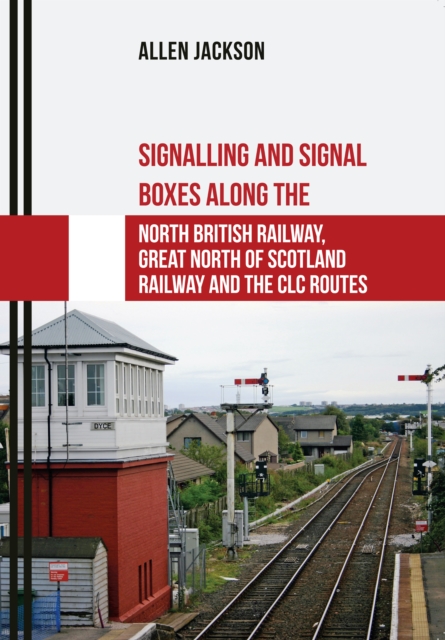
Continuing here with the North British Railway, Great North of Scotland Railway and the Cheshire Line Committee (CLC), Allen Jackson uses a range of previously unpublished photographs to evocatively demonstrate the story of signalling in the principal constituents of the LNER over the course of several volumes.
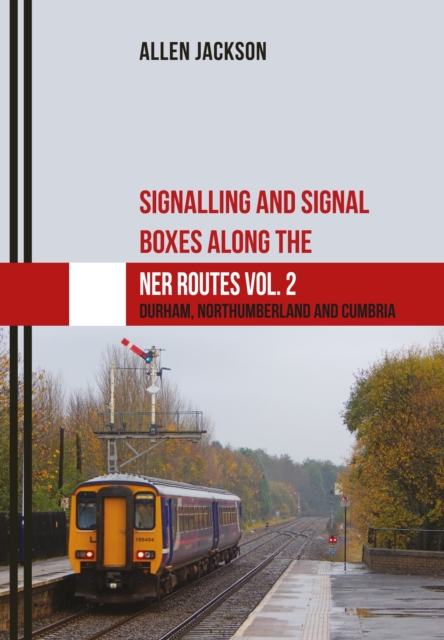
Over the course of several volumes, Allen Jackson uses an array of photographs to lavishly illustrate the story of signalling in the principal constituents of the LNER - continuing here with the second volume, which tells the story of the North Eastern Railway in Durham, Northumberland and Cumbria.
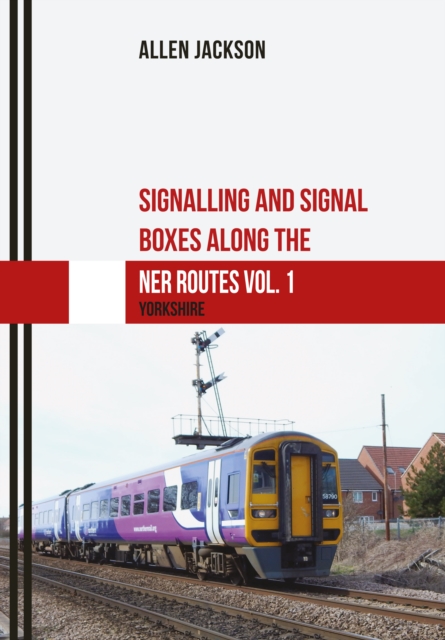
Over the course of several volumes, Allen Jackson uses an array of photographs to lavishly illustrate the story of signalling in the principal constituents of the LNER - continuing here with the first volume of the story of the North Eastern Railway in Yorkshire.
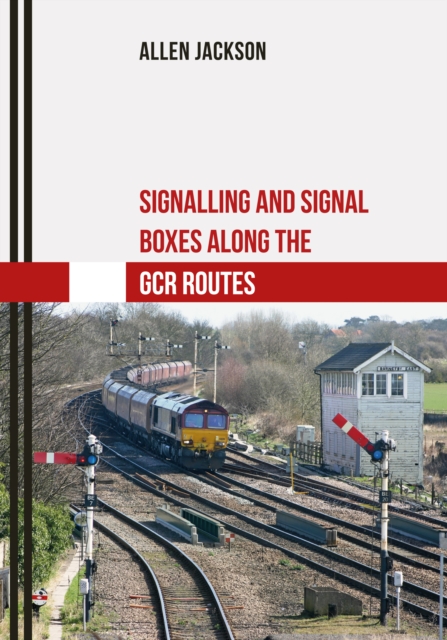
Over the course of several volumes, Allen Jackson offers an array of never Allen Jackson before published photographs to lavishly illustrate the story of signalling in the principal constituents of the LNER - continuing here with the Great Central Railway.
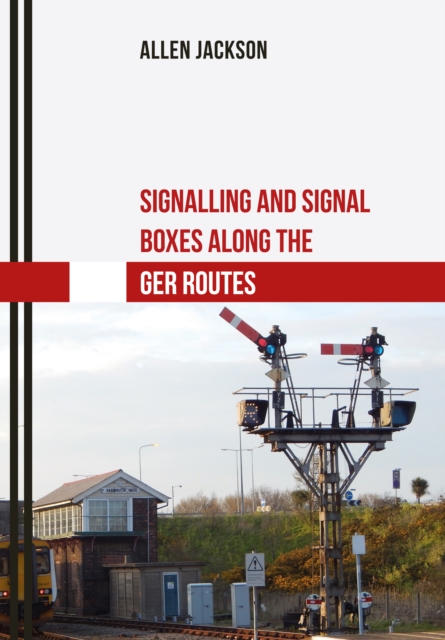
Over the course of several volumes, Allen Jackson uses an array of photographs to lavishly illustrate the story of signalling in the principal constituents of the LNER - continuing here with the Great Eastern Railway.
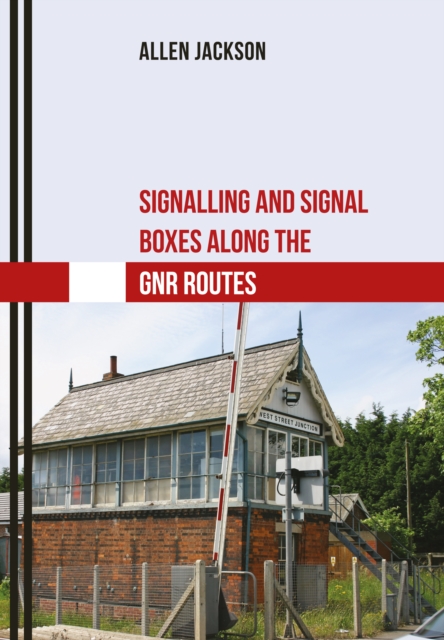
The Great Northern Railway out of King's Cross was always in the limelight with the 'Scotch Expresses' and it carried the baton to just north of Doncaster, whereupon the North Eastern Railway took over.
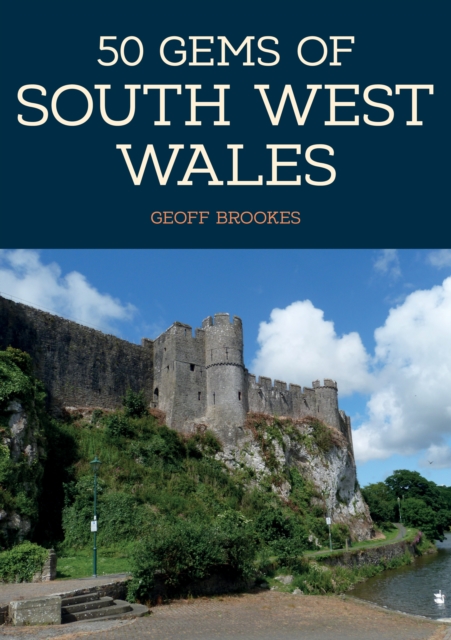
Watered by rivers, strengthened by castles, enhanced by beautiful villages, necklaced by a spectacular coastline and enriched by a long and fascinating history, South West Wales is one of the country's most remarkable places.
The town of Frome, in the ancient royal forest of Selwood that straddles the borders of Wiltshire and Somerset, was once renowned for its prosperous woollen cloth industry and is now noted as an emerging provincial centre for the arts and crafts.
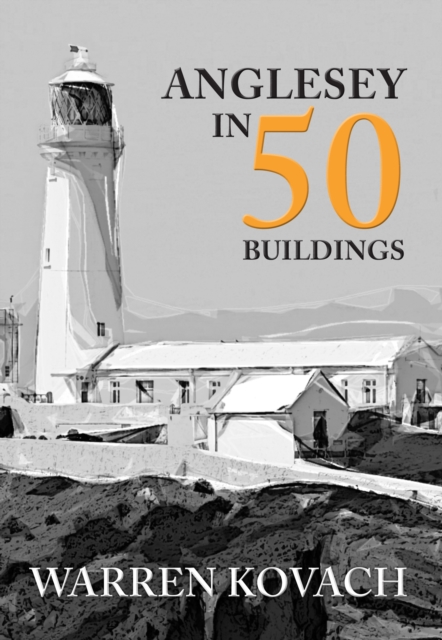
The Isle of Anglesey is treasured for its natural beauty by visitors and residents alike, but it is also the home of a wide range of interesting and striking historic buildings.