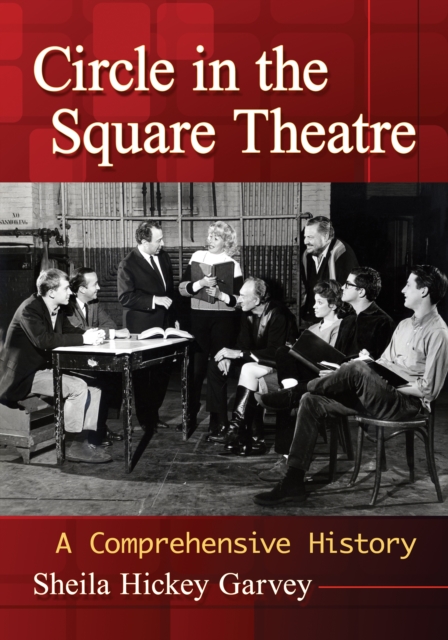
Based on years of research as well as interviews conducted with Circle in the Square's major contributing artists, this book records the entire history of this distinguished theatre from its nightclub origins to its current status as a Tony Award-winning Broadway institution.
A comprehensive filmography, this book is composed of lengthy entries on about 75 films depicting legendary New Mexico outlaw Billy the Kid--from the lost Billy the Kid (1911) to the blockbuster Young Guns (1988) to the direct-to-video 1313: Billy the Kid(2012) and everything in between.
This biographical dictionary catalogs the Union army colonels who commanded regiments from Missouri and the western States and Territories during the Civil War.
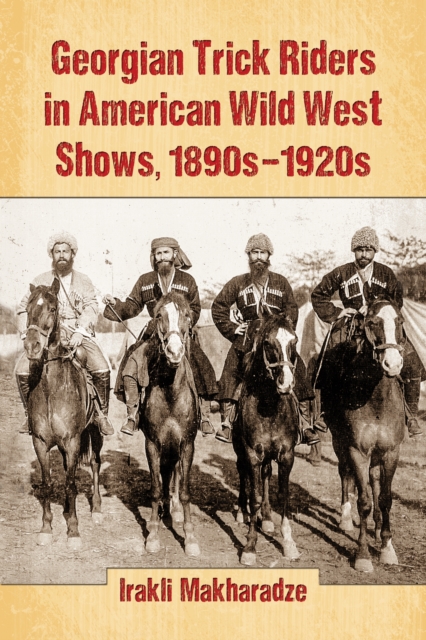
In 1893, Georgian horsemen from the Caucasus immigrated to the United States where for more than 30 years they performed in circuses and Wild West shows under the billing of "e;Russian Cossacks.
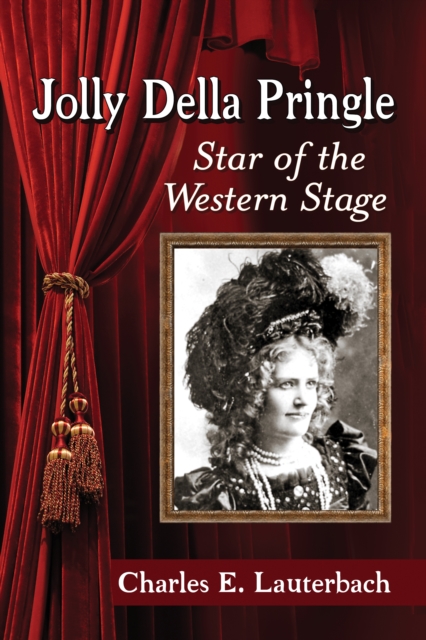
The story of American repertory theatre actress Jolly Della Pringle (1870-1952) is an odyssey of travel, adventure, drama, romance and many changes in fortune.
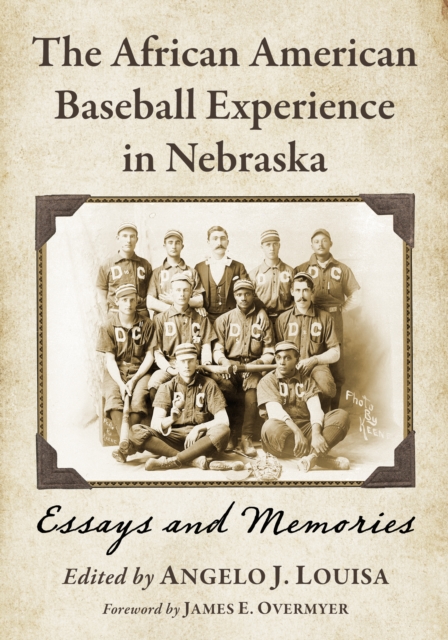
Nebraska is not usually thought of as a focal point in the history of black baseball, yet the state has seen its share of contributions to the African American baseball experience.
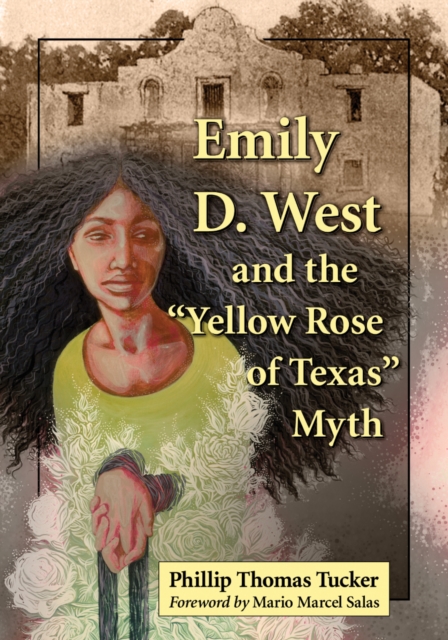
For the first time, the true story of "e;The Yellow Rose of Texas"e; is told in full, revealing a host of new insights and perspectives on one of America's most popular stories.
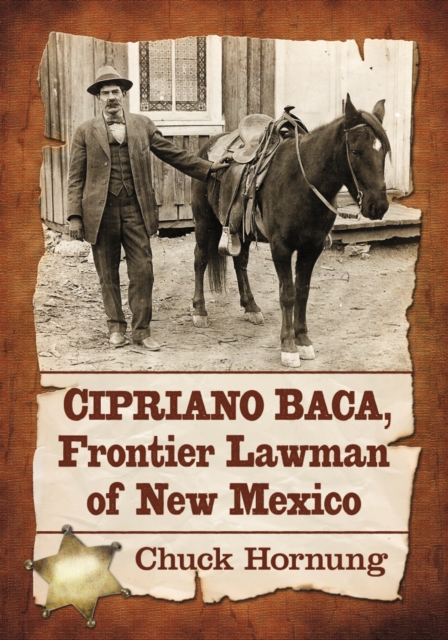
This is the first biography of the legendary officer Cipriano Baca, scion of a prestigious Spanish lineage tracing their heritage to the first settlers in Nuevo Mexico.
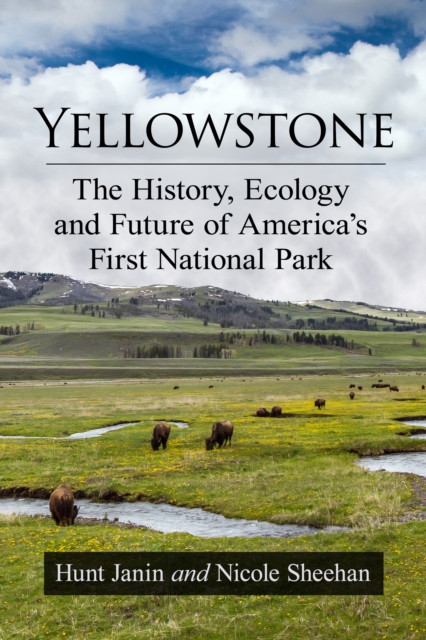
Yellowstone National Park is the focal point of the 22-million-acre, multifaceted Greater Yellowstone Ecosystem, located in northwestern Wyoming and in parts of eastern Idaho and Montana.
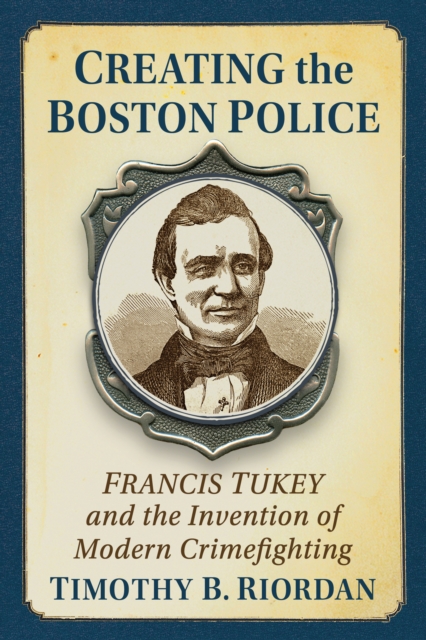
The Boston Police Department was formed by a man who had twice failed in business, ran a bar in the poorest district of Boston, and was charged with two assaults.
After more than three years of grim fighting, General Ulysses Grant had a plan to end the Civil War--laying siege to Petersburg, Virginia, thus cutting off supplies to the Confederate capital at Richmond.
In 1750 the Appalachian Mountains were a formidable barrier between the British colonies in the east and French territory in the west, passable only on foot or horseback.
Professional motorsports came to Las Vegas in the mid-1950s at a bankrupt horse track swarmed by gamblers--and soon became enmeshed with the government and organized crime.
This history of Westchester County, New York, from the time of European settlement to the present, examines four centuries of development in an iconic region that became the archetypal American suburb.
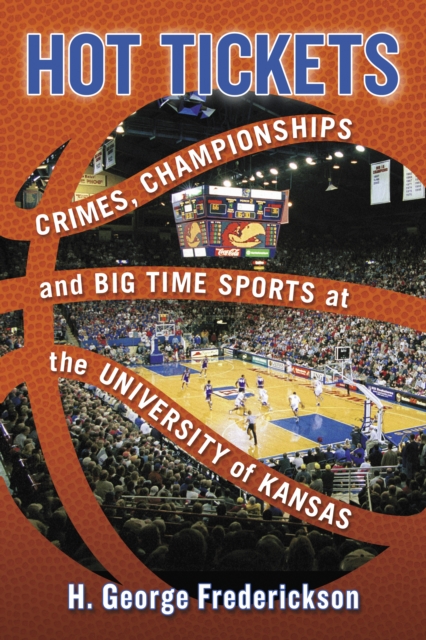
In 2010, University of Kansas officials were shocked to learn that the FBI and IRS were on campus investigating Rodney Jones, former head of the Athletics Ticket Office, for stealing Jayhawks basketball tickets and selling them to brokers.
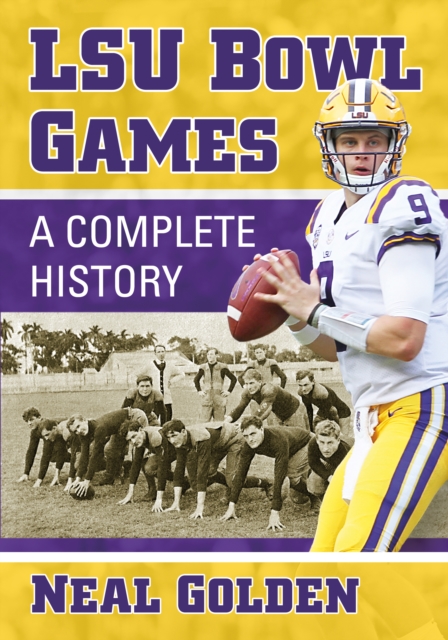
Telling the story of LSU football through coverage of each of the Tigers' 50 bowl games--from 1907 through 2019--this book provides summaries of the team's regular season, and their opponents' season, along with quarter-by-quarter game highlights, important stats, and quotes from players and coaches.
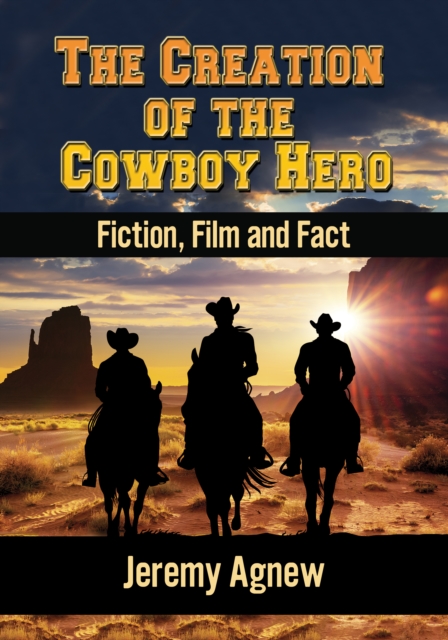
As business interests have commercialized the American West and publishers and studios have created compelling imagery, the expectations of readers and moviegoers have influenced perceptions of the cowboy as a hero.
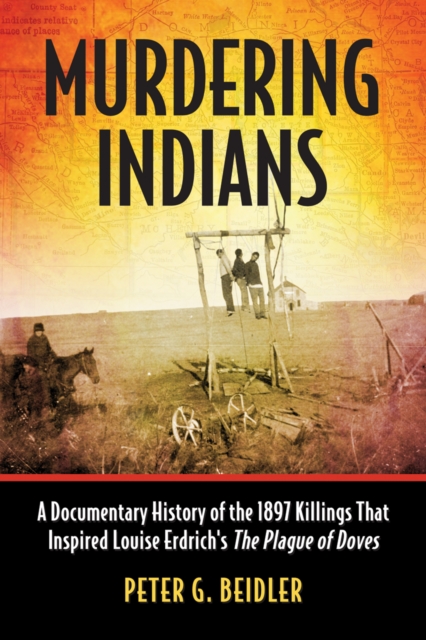
In February of 1897 a family of six--four generations, including twin infant sons and their aged great-grandmother--was brutally murdered in rural North Dakota.
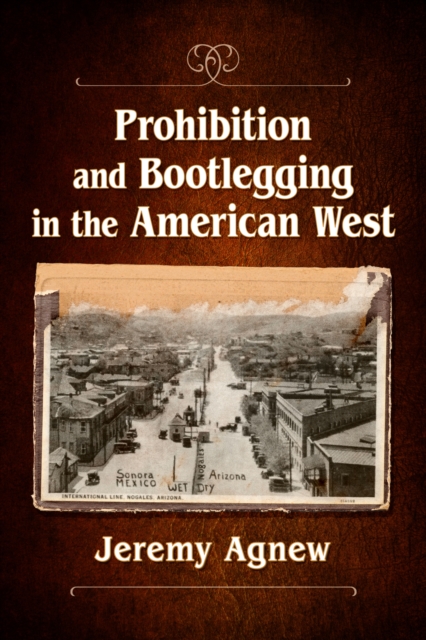
Prohibition was imposed by eager temperance movements organizers who sought to shape public behavior through alcoholic beverage control in the 19th and early 20th centuries.
Calling the Brands tells the story of the, range detectives, stock detectives, and inspectors, who usually worked completely alone, courageously capturing or killing livestock rustlers in order to assure the survivability of the ranchers.
Everyone loves a heel, especially one to whom nothing was sacred and who charmed his or her way into the hearts, minds, and wallets of bumpkins and belles alike.