The period immediately following the Second World War was a time, observed Randall Jarrell, when many American writers looked to the art of criticism as the representative act of the intellectual.
In the eighteenth century, County Armagh was famously referred to as 'a very independent county' given the distinctive nature of politics and electioneering in parliamentary elections.
This book paints an intimate picture of Comber, County Down, home town of Thomas Andrews Junior, Shipbuilder, during the thirty-nine years of his short but hugely influential life(1873 1912).
Belmore: The Lowry-Corry Families of Castle Coole, 1646-1913 tells the fascinating story of two families who left Dumfries in the mid 17th century to settle in Fermanagh and Tyrone.
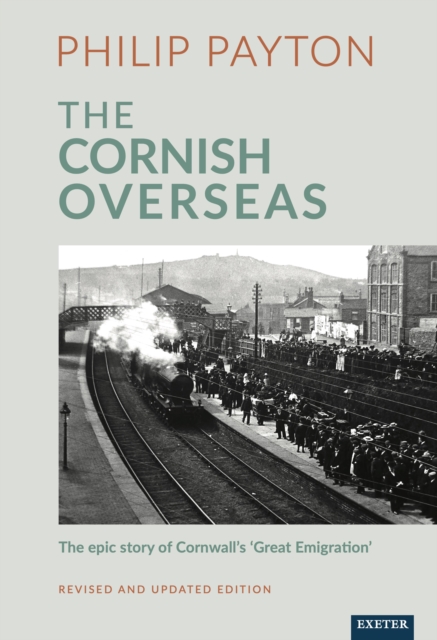
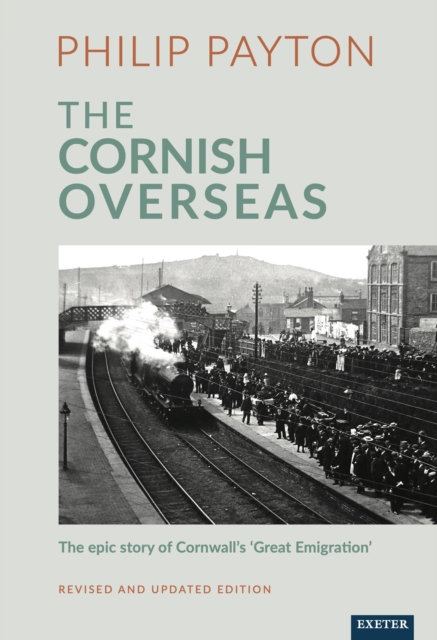
In this fully revised and updated third edition of The Cornish Overseas (2020), Philip Payton draws upon almost two decades of additional research undertaken by historians the world over since the first paperback version of this book was published in 2005.
In this fully revised and updated third edition of The Cornish Overseas (2020), Philip Payton draws upon almost two decades of additional research undertaken by historians the world over since the first paperback version of this book was published in 2005.
Perched on an isolated rock in the Scottish Hebrides, this is a fascinating account of Skerryvore, 'the most graceful lighthouse in the world', and the great Victorian engineer who designed and built it.
A tale of 117 years of devotion to duty, peacefulness and calm, disrupted forever by a day of inexplicable violence, a community's battle to have a lighthouse built.
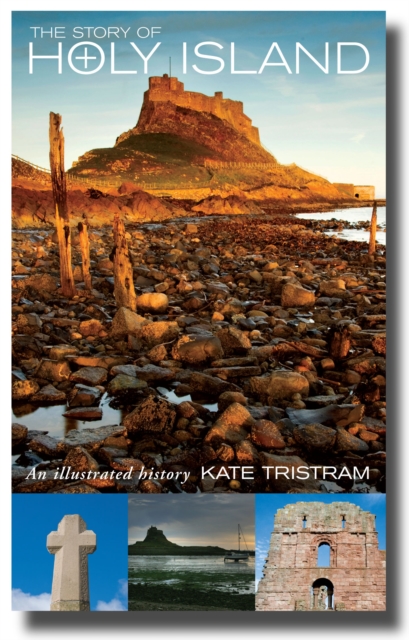
From its misty beginnings as part of the mainland in the Stone Age, this history covers Lindisfarne's formation as an island, the Roman and Anglo-Saxon eras, the influence of Columba and Iona, Lindisfarne's own apostle, Bede and the monastic tradition, the coming of the Vikings, the Benedictine years and the dissolution of the monasteries.
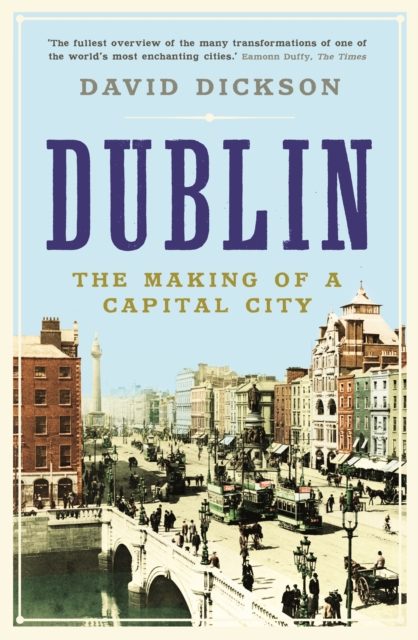
Dublin has many histories: for a thousand years a modest urban settlement on the quiet waters of the Irish Sea, for the last four hundred it has experienced great - and often astonishing - change.
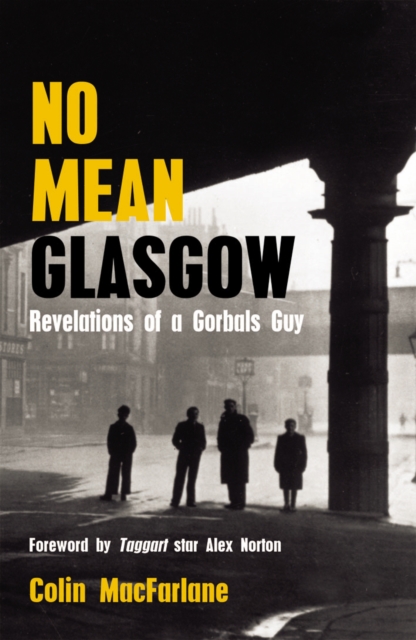
In his last book, The Real Gorbals Story, Colin MacFarlane detailed how he witnessed a once great area, home to wonderful characters and grand old buildings, disappear before his eyes.
A compendium of 28 beautiful, historical Scottish Castles for local and visitor alikeScotland: A land with rich history, wild landscapes and some of the most beautiful castles on Earth.
A DEVON HOUSE relates the story of one of Devon's great houses through the people and events which have coloured its existence over the past 400 years.
Danish Northwest is a poetry collection that shows "e;hygge"e; in its various aspects as practiced or rendered in the outskirts of Denmark, more precisely in the northwestern region of Jutland called Thy.
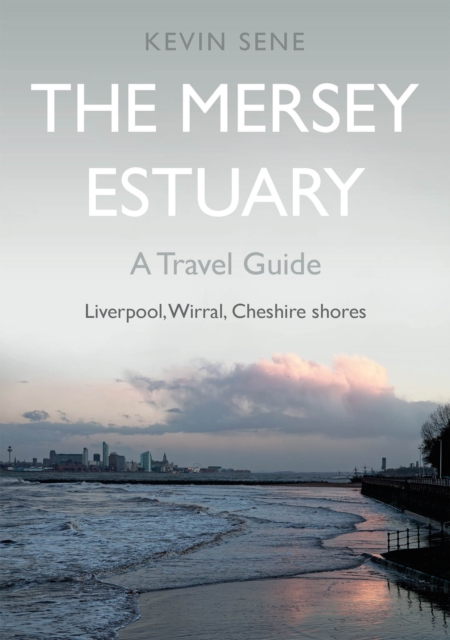
A guide to places to visit, history and wildlife along the Liverpool, Wirral and Cheshire shores of the Mersey EstuaryStretching for around thirty miles to the coast, the Mersey Estuary is perhaps best known for Liverpool s spectacular waterfront and the Mersey Ferry.
One of the Daily Telegraph's 20 Books Perfect for TravelScotland has its rugged Hebrides; Ireland its cliff-girt Arans; Wales its Island of Twenty Thousand Saints.
In the febrile religious and political climate of late sixteenth-century England, when the grip of the Reformation was as yet fragile and insecure, and underground papism still perceived to be rife, Lancashire was felt by the Protestant authorities to be a sinister corner of superstition, lawlessness and popery.
With a past as deep and sinewy as the famous River Thames that twists like an eel around the jutting peninsula of Mudchute and the Isle of Dogs, London is one of the world's greatest and most resilient cities.
For centuries the deaf community endured a mixture of derision, ignorance and poverty; they suffered what Dr Johnson described as 'one of the most desperate of human calamities'.
The first human organ transplant in 1950 at a suburban hospital is the focus of The Graft: How a Pioneering Operation Sparked the Modern Age of Organ Transplants.
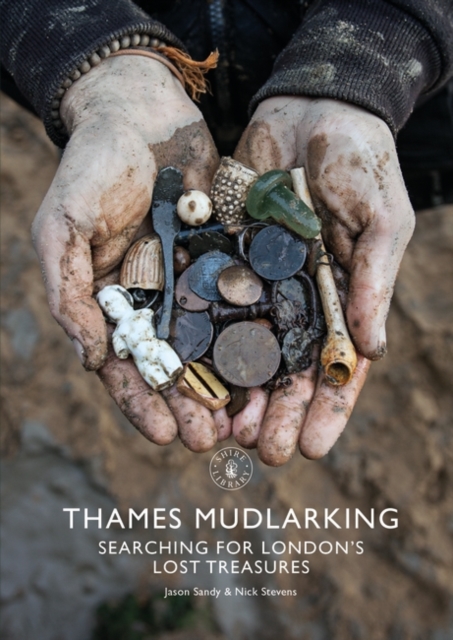
A beautifully illustrated introduction to mudlarking which tells the incredible, forgotten history of London through objects found on the foreshore of the River Thames.