In The Hoggs of Texas: Letters and Memoirs of an Extraordinary Family, 18871906, Virginia Bernhard delves into the unpublished letters of one of Texas's most extraordinarily families and tells their story.
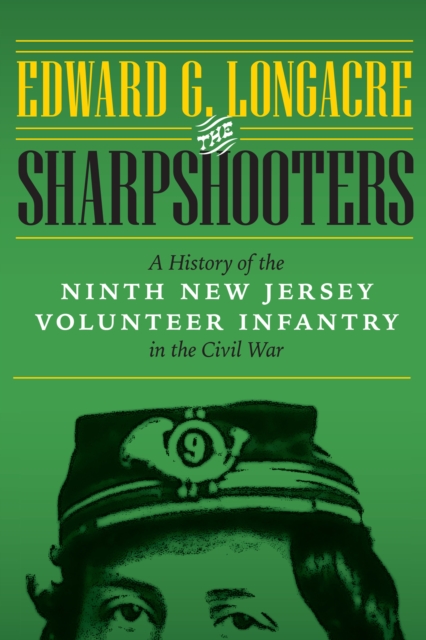
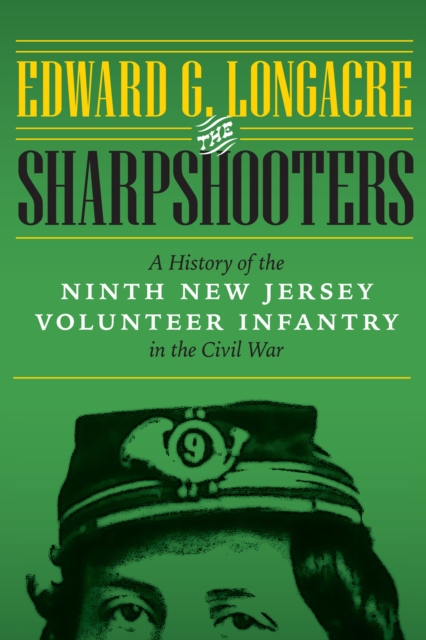
Recruited as sharpshooters and clothed in distinctive uniforms with green trim, the hand-picked regiment of the Ninth New Jersey Volunteer Infantry was renowned and admired far and wide.
Recruited as sharpshooters and clothed in distinctive uniforms with green trim, the hand-picked regiment of the Ninth New Jersey Volunteer Infantry was renowned and admired far and wide.
Recapturing the atmosphere of Territorial days, this 1962 extensively annotated edition of a Southwestern classic focuses on southeastern New Mexico, where "e;murder was a common offense"e; and stagecoach robberies were "e;nothing to get excited about.
Lightly falling snow, covering everything in sight with a soft mantle of white, burning luminarias and mellow-light farolitos, the warm adobe architecture, the peace and quiet that settles over the land on Christmas Eve, all tend to strengthen the comparison between Santa Fe and the land where Christ was born.
Travel just a few miles beyond Acadia National Park and you will find a little known and seldom visited patchwork of quaint fishing villages, rocky coastlines, wild blueberry fields, and vast stretches of forestland reaching all the way to the Canadian border, a hundred miles away.
There used to be a time when marvelous skyrockets could be purchased for a dime and the iceman came around once a week, when throwing a cap on and off took special talent and pants had watch pockets.
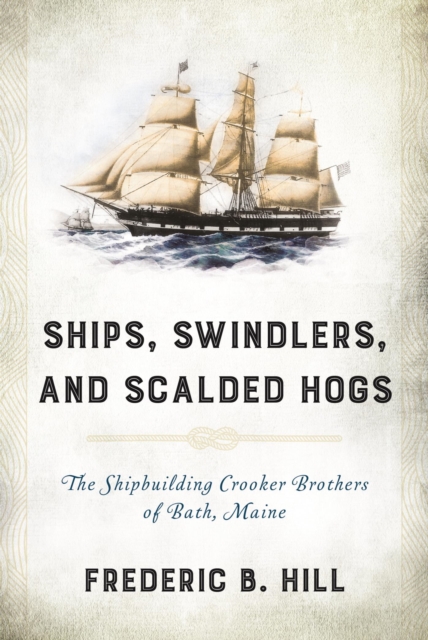
Brothers William Donnell Crooker and Charles Crooker were among the most prominent mid-nineteenth-century shipbuilders in Bath, Maine, itself one of the most prominent shipbuilding cities in the world during that time.
Coast Calendar, says its Pulitzer Prize-winning author, is the story of the work and play, the human nature and the weather, the fauna and flora, the ups and downs in a sample, all-around Main family that mixes farming of the sea with farming of the land.
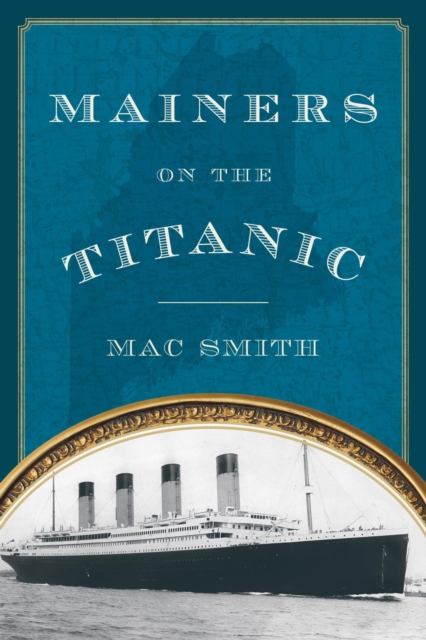
Meticulously researched, this book reveals the agonizing day-to-day wait of Mainers for news of what really happened on the Titanic, and tells the stories of Maine passengers from their boarding to the sinking and rescue; and, for those who survived, of their coming ashore in Halifax, Nova Scotia.
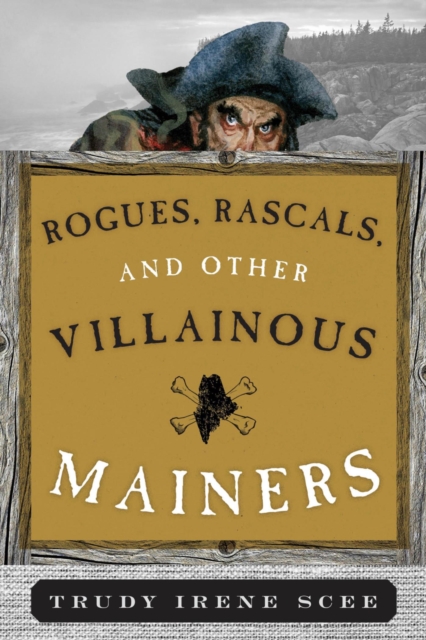
Many nefarious characters have passed through Maine on their way to infamy, including the pirates Dixie Bull and Blackbeard (Edward Teach), and gangster Al Brady, who was gunned down by G-men in the streets of Bangor.
The crippling custom of footbinding is the thematic touchstone for Judy Yung's engrossing study of Chinese American women during the first half of the twentieth century.