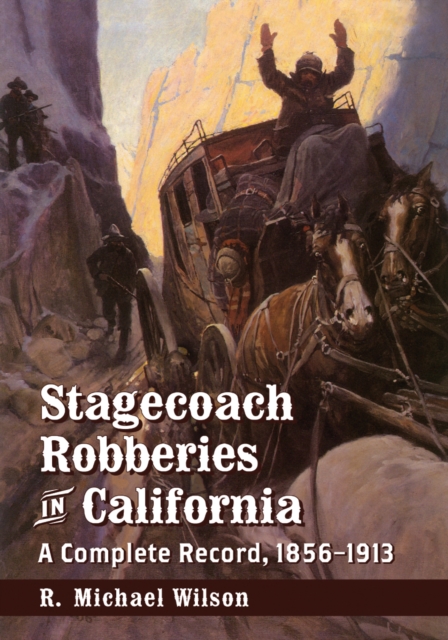
Western movies are full of images of swaggering outlaws brought to justice by valiant lawmen shooting them down in daring gunfights before riding off into the sunset.
The story of American repertory theatre actress Jolly Della Pringle (1870-1952) is an odyssey of travel, adventure, drama, romance and many changes in fortune.
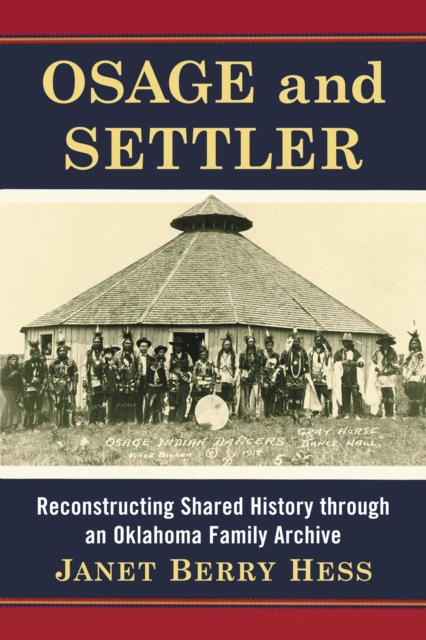
Drawing on a rare family archive and archival material from the Osage Nation, this book documents a unique relationship among white settlers, the Osage and African Americans in Oklahoma.
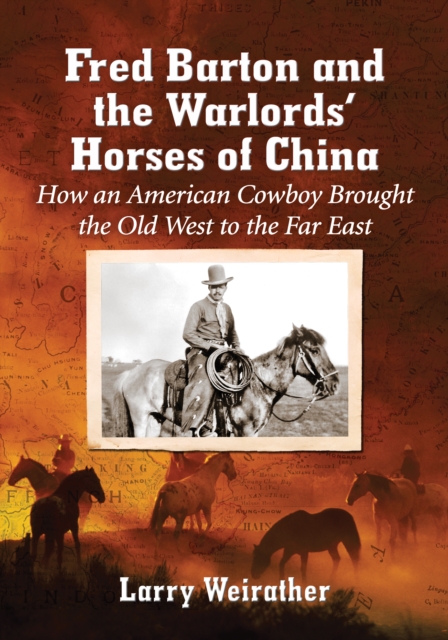
In the years before World War I, Montana cowboy Fred Barton was employed by Czar Nicholas II to help establish a horse ranch--the largest in the world--in Siberia to supply the Russian military.
Depictions of the American west in literature, art and film perpetuate romantic stereotypes of the pioneers--the gold-crazed '49er, the intrepid sodbuster.
In 1893, Georgian horsemen from the Caucasus immigrated to the United States where for more than 30 years they performed in circuses and Wild West shows under the billing of "e;Russian Cossacks.
As business interests have commercialized the American West and publishers and studios have created compelling imagery, the expectations of readers and moviegoers have influenced perceptions of the cowboy as a hero.
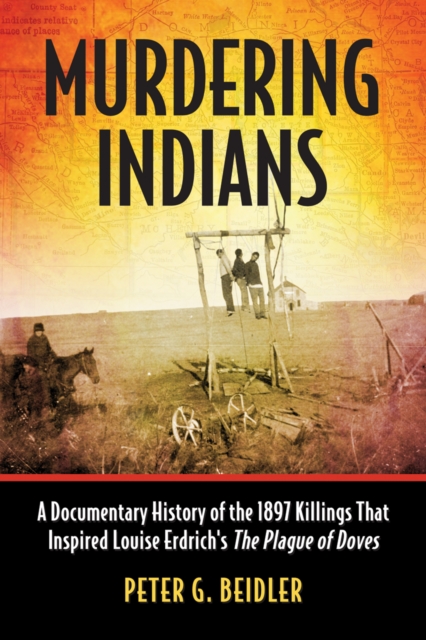
In February of 1897 a family of six--four generations, including twin infant sons and their aged great-grandmother--was brutally murdered in rural North Dakota.
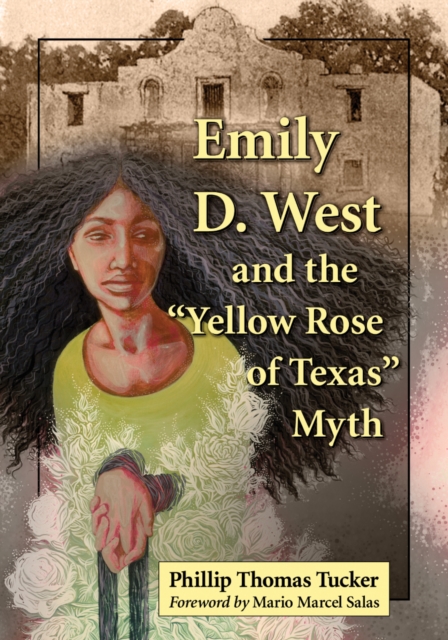
For the first time, the true story of "e;The Yellow Rose of Texas"e; is told in full, revealing a host of new insights and perspectives on one of America's most popular stories.
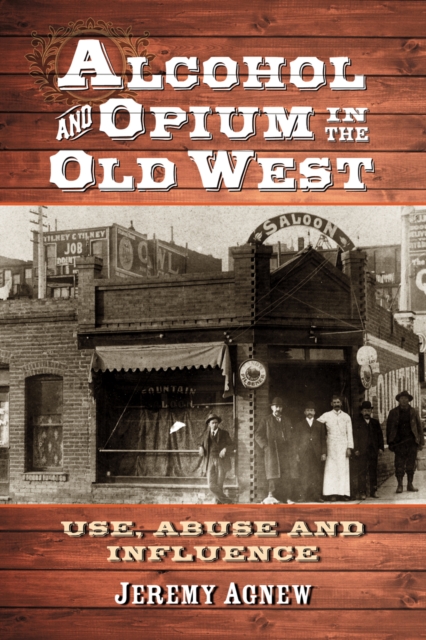
This book explores the role and influence of drink and drugs (primarily opium) in the Old West, which for this book is considered to be America west of the Mississippi from the California gold rush of the 1840s to the closing of the Western Frontier in roughly 1900.
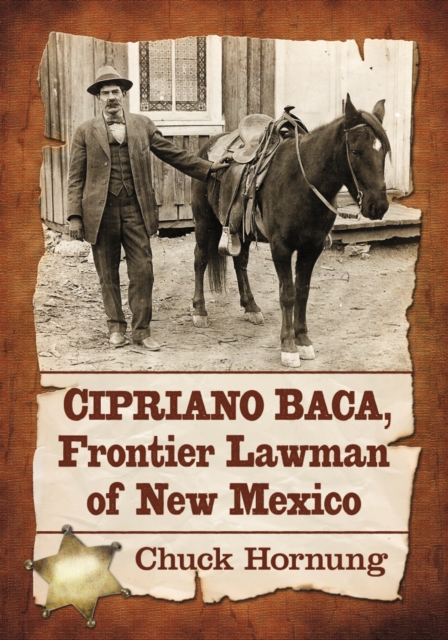
This is the first biography of the legendary officer Cipriano Baca, scion of a prestigious Spanish lineage tracing their heritage to the first settlers in Nuevo Mexico.
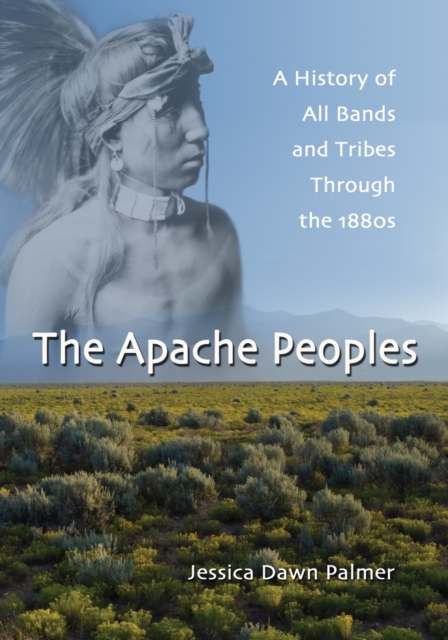
This book presents a comprehensive history of the seven Apache tribes, tracing them from their genetic origins in Asia and their migration through the continent to the Southwest.
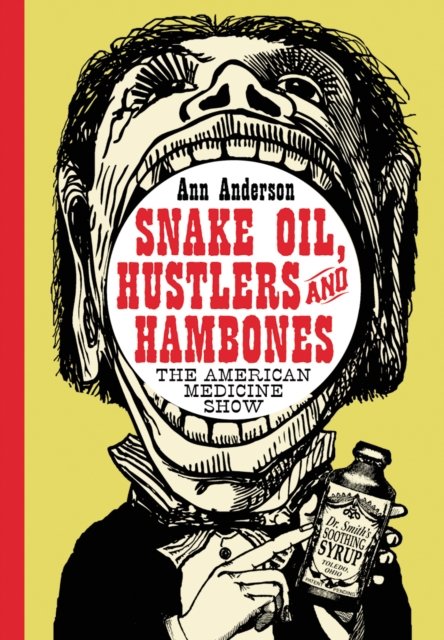
Long before television and radio commercials beckoned to potential buyers, the medicine show provided free entertainment and promised cures for everything from corns to cancer.
A comprehensive filmography, this book is composed of lengthy entries on about 75 films depicting legendary New Mexico outlaw Billy the Kid--from the lost Billy the Kid (1911) to the blockbuster Young Guns (1988) to the direct-to-video 1313: Billy the Kid(2012) and everything in between.
This critical study analyzes major concepts in the travel literature of Mark Twain and notes how his oeuvre (including his classic works of fiction) revolves around travel as a central issue.
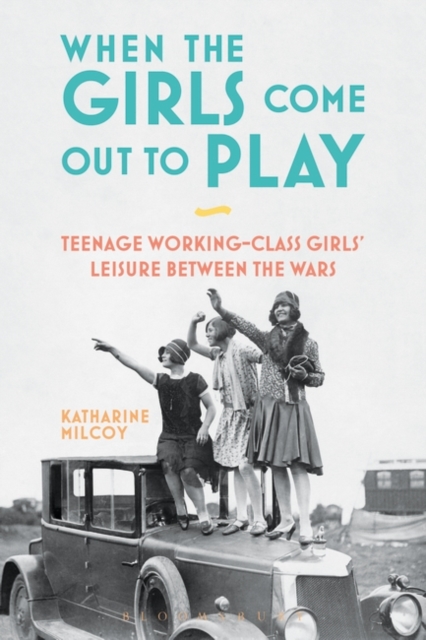
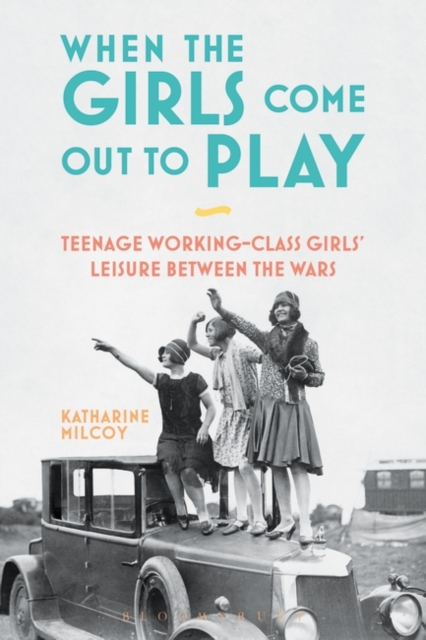
Filling a long-standing gap both in women's history and in the material history of class culture, this book is a unique and necessary reassessment of the social and cultural scene during the inter-war period in England.
Filling a long-standing gap both in women's history and in the material history of class culture, this book is a unique and necessary reassessment of the social and cultural scene during the inter-war period in England.