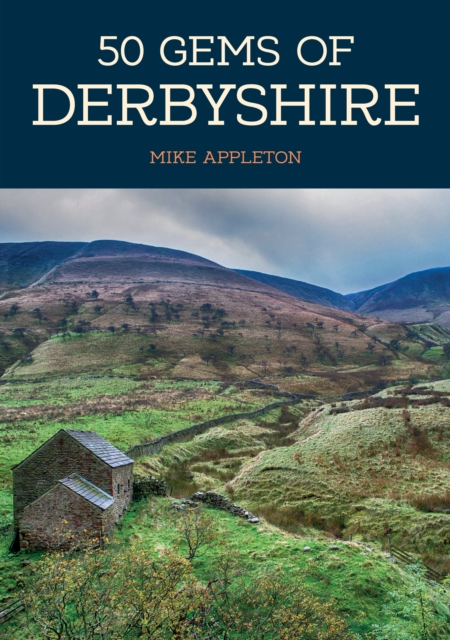
Famous for being the home of the Peak District National Park (three-quarters of its 550 square miles lies within the county), Derbyshire is filled with natural appeal.
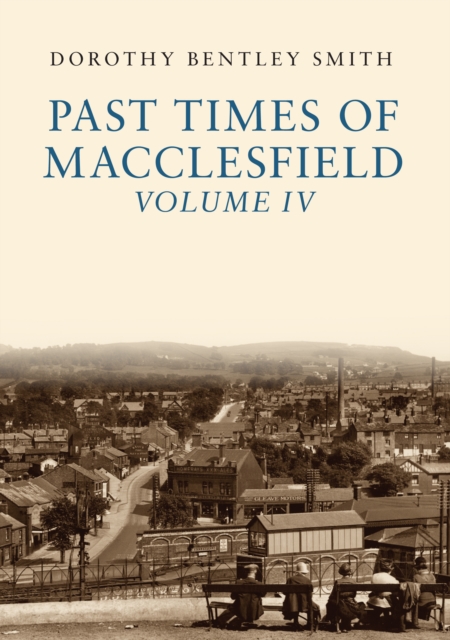
This particular volume consists of articles that were wholly or partially published when the author, local history expert Dorothy Bentley Smith, was a columnist for the Macclesfield Express from March 2010 to mid-2012.
Secret Abergavenny offers a unique insight into the sleepy Welsh market town, proving that there's a lot more to the 'Gateway to Wales' than meets the eye.
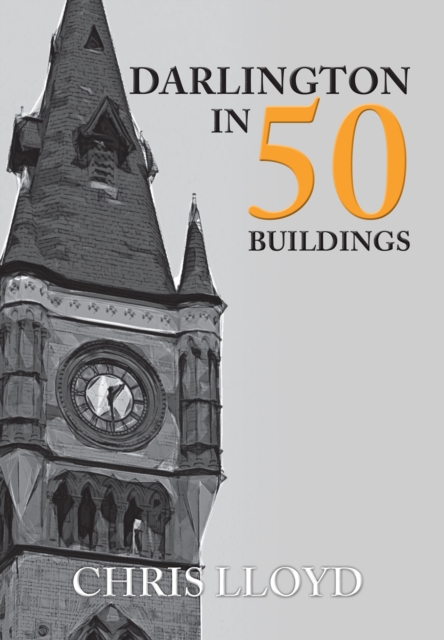
From its early fame as the terminus of the Stockton to Darlington Railway, the world's first passenger rail line, to its Victorian heyday as an important centre of railway manufacturing and bridge building, the County Durham town of Darlington has a proud and distinctive identity.
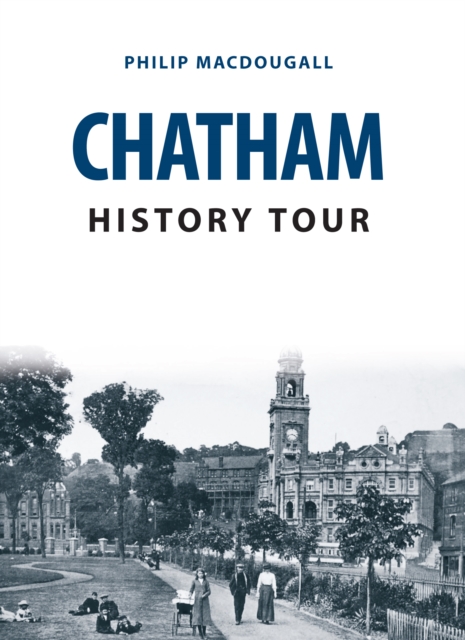
Chatham History Tour is a unique insight into the illustrious history of this historic Kentish town and its former dockyard, now a major tourist attraction.
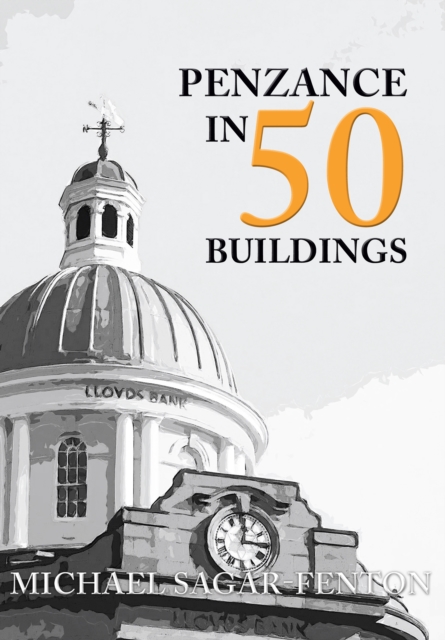
From the granting of borough status in 1614 through to its development as an industrial port and then as a fashionable seaside resort, the west Cornwall town of Penzance has a proud and distinctive history.
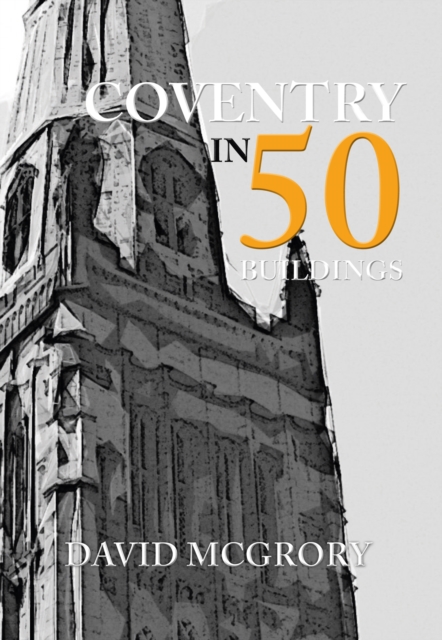
Despite the attention of bombs and planners, Coventry still contains many fascinating buildings whose history in stone, brick and concrete has shaped the last thousand years.
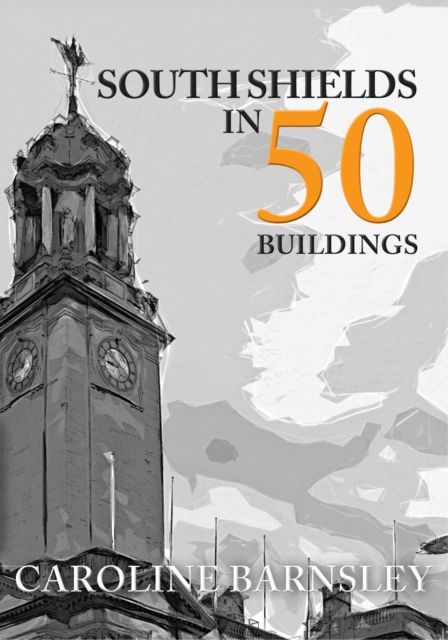
From its days as a booming coal-mining and shipbuilding port in the mid-nineteenth century through post-industrial decline and late twentieth-century regeneration, to its current status as a growing commercial centre and popular tourist destination, South Shields has a proud and distinctive identity.
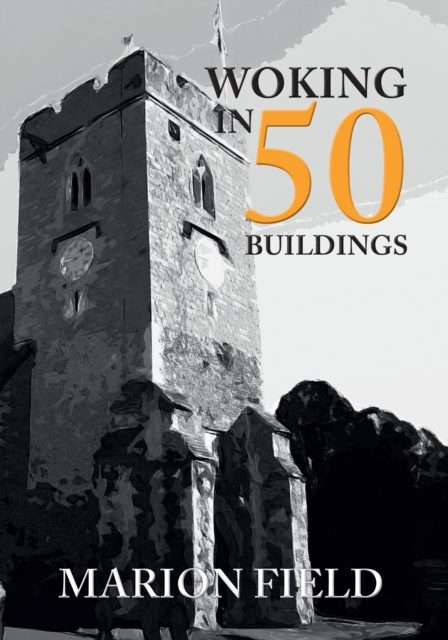
From humble beginnings Woking grew with the opening of the Wey Navigation Canal in the mid-seventeenth century, carrying traffic from Guildford to the River Thames, then more significantly with the arrival of the railway in 1838 and subsequent development of 'New Woking' in the mid-nineteenth century.
High Wycombe, or simply Wycombe, has had a long and remarkable past: the Royal military academy was founded in the town in the late eighteenth century before moving to Sandhurst; Charles I passed through on his way to the scaffold in 1649; and Benjamin Disraeli, MP for the town between 1874 and 1880, made his first political speech from a portico in the high street.
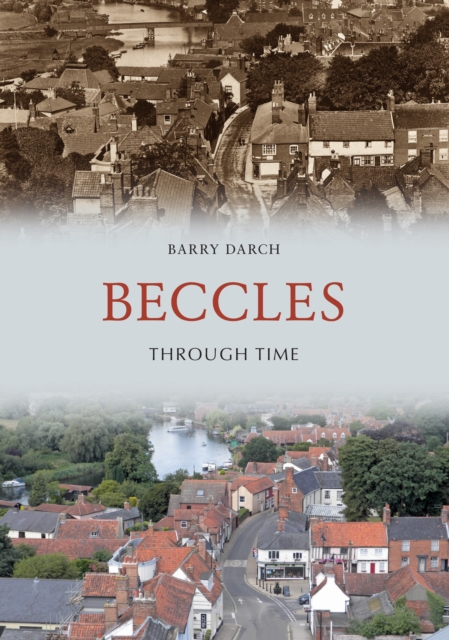
'The Gateway to the Broads', Beccles is a thriving market town in Suffolk that has been central to local communications for two millennia, prospering as a hub of trade and industry, while still retaining its cohesiveness and welcoming atmosphere.
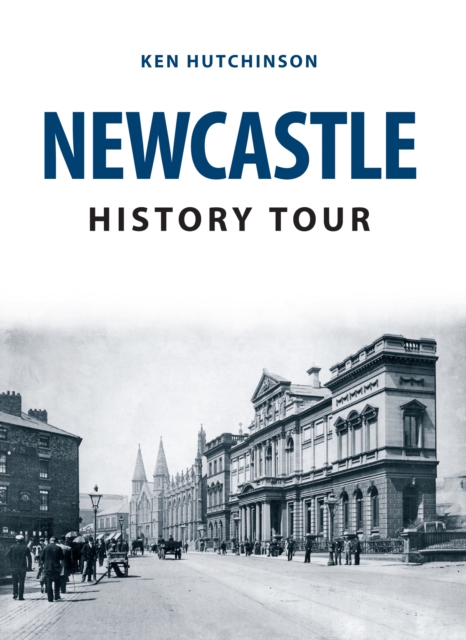
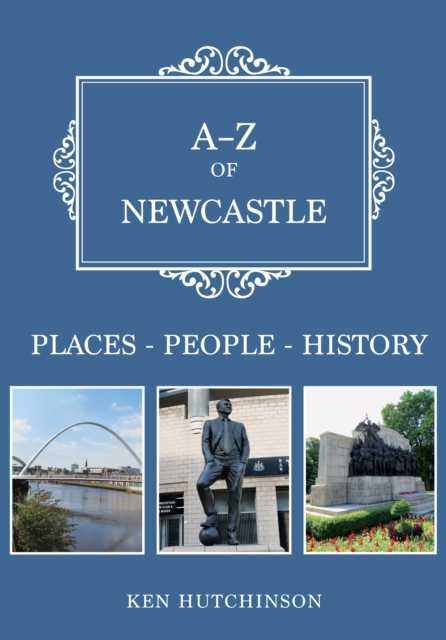
Newcastle upon Tyne is one of England's great cities and one of the most historically significant, with a proud heritage dating all the way back to Roman times.
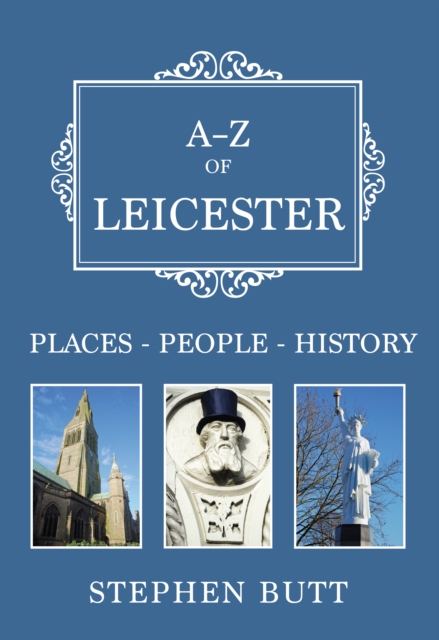
The city of Leicester can boast a long and distinguished history and has been at the very heart of the country's political and economic development for over two millennia.
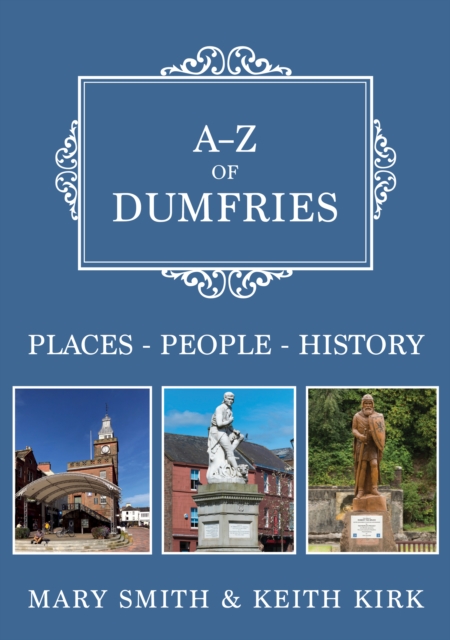
The town of Dumfries, in the south-west of Scotland and known as 'the Queen of the South', became a royal burgh in 1186 and grew into an important market town and port in the medieval period.
A new town established in the 1800s, Colwyn Bay thrived with the coming of the railway, growing over the last century into one of the largest communities in North Wales.