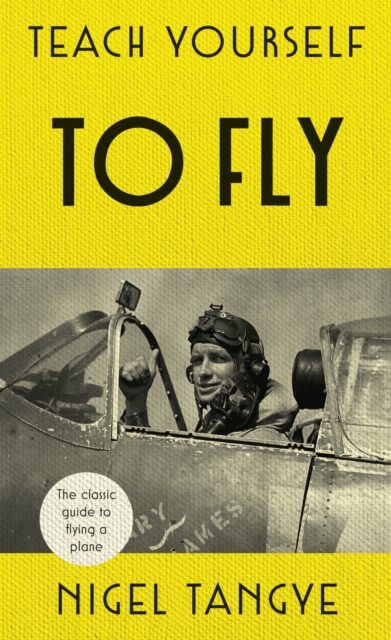
First published in 1938, Teach Yourself To Fly was not only one of the very first Teach Yourself books to be published but the first to actually change the world.
As Meghan Markle once said: 'With fame comes opportunity, but it also includes responsibility - to advocate and share, to focus less on the glass slipper and more on pushing through glass ceilings.
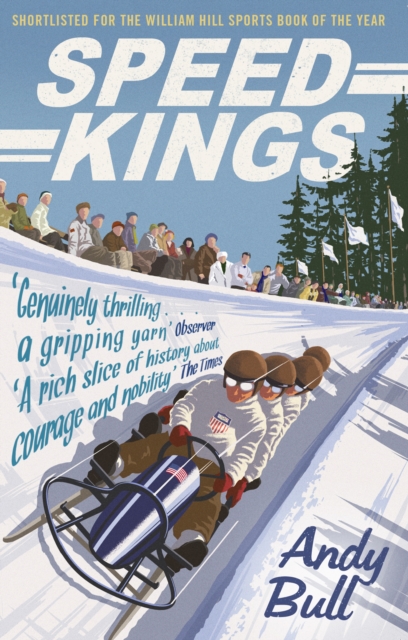
WINNER OF THE TIMES BIOGRAPHY OF THE YEAR AT THE BRITISH SPORTS BOOK AWARDSIn the 1930s, as the world hurtled towards terrible global conflict, speed was all the rage.
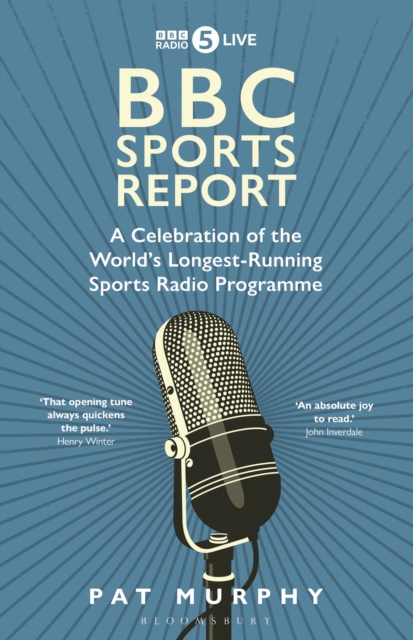
SHORTLISTED FOR THE SUNDAY TIMES SPORTS BOOK AWARDS 2023 - SPORTS ENTERTAINMENT BOOK OF THE YEARSports Report is as much a 75-year history of sport as a BBC radio institution and Pat Murphy pays handsome tribute to a programme that is still followed affectionately by millions.
SHORTLISTED FOR THE SUNDAY TIMES SPORTS BOOK AWARDS 2023 - SPORTS ENTERTAINMENT BOOK OF THE YEARSports Report is as much a 75-year history of sport as a BBC radio institution and Pat Murphy pays handsome tribute to a programme that is still followed affectionately by millions.
Fans of Bridgerton, Georgette Heyer and Jenny Hambly will love this sensational and sexy romantic adventure from #1 New York Times bestselling author Johanna Lindsey.
If you like Dilly Court and Catherine Cookson, you'll love this emotional and powerful story of revenge and retribution from the Sunday Times bestselling author Ruth Hamilton.
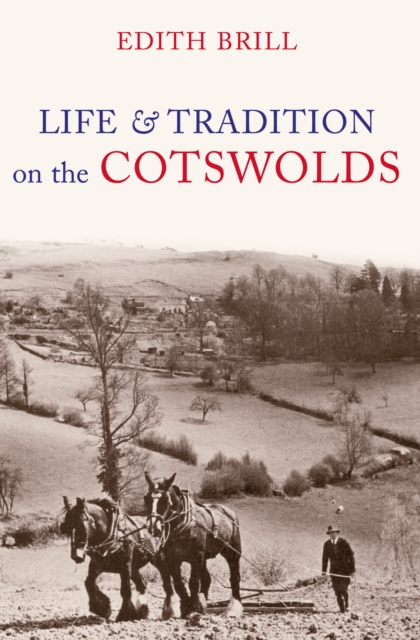
Travel back in time to village life in rural Edwardian England; a time when children wore starched white pinafores and enjoyed such innocent pleasures as playing with the little windmills given to them by the rag-and-bone man.
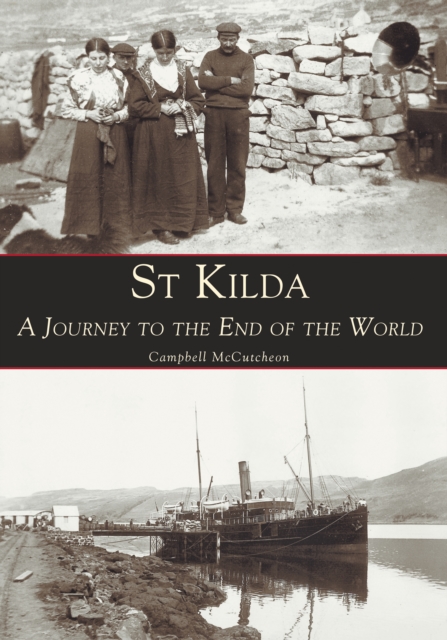
Using a unique series of images, many taken on the island of Hirta, the route is traced through the Western Isles and takes in Coll, Tiree, Skye, North and South Uist and St Kilda itself.
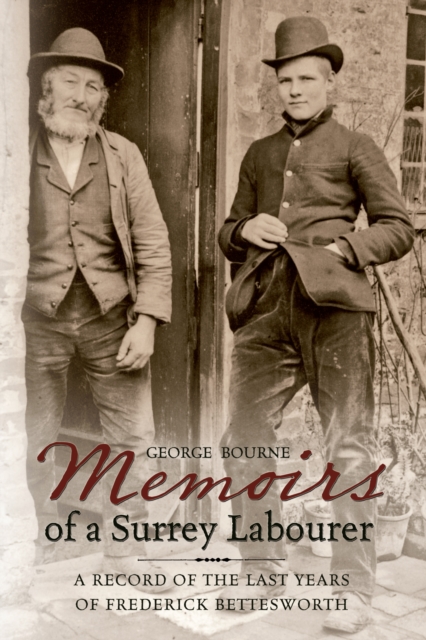
Memoirs of a Surrey Labourer, first published in 1907, recounts in affectionate detail the twilight years of gardener Fred Bettesworth at the close of the nineteenth century and the opening of the twentieth.
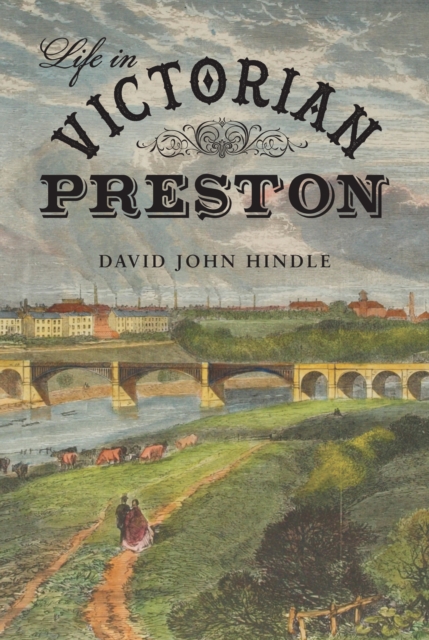
In February 1854, the great Victorian novelist Charles Dickens took the train from London's Euston station to Preston and it is thought that what he saw on his arrival in the town inspired the novel Hard Times, published later that year.
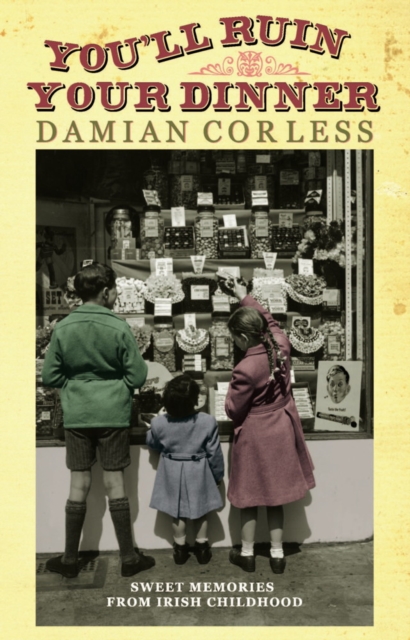
Whether your taste was for fiddlestix or Flavour Ravers, Trigger bars or Two and Twos, Marathons or macaroons, Peggy's Legs or Push Pops, Liquorice Allsorts or Little Devils, You'll Ruin Your Dinner has something for you.
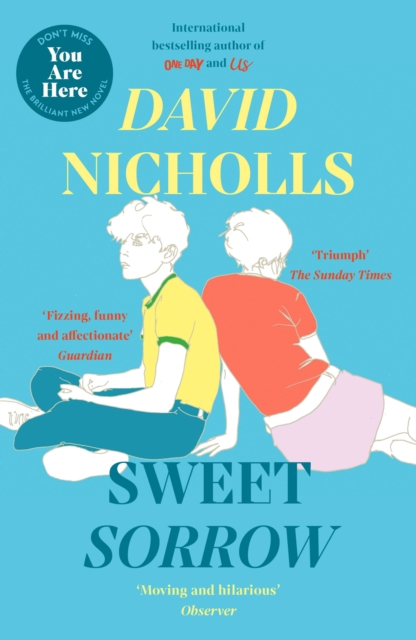
Now in ebook and paperback: David Nicholls's new novel You Are Here Sweet Sorrow: a novel of first love, set during a long, hot summer where life changes forever.
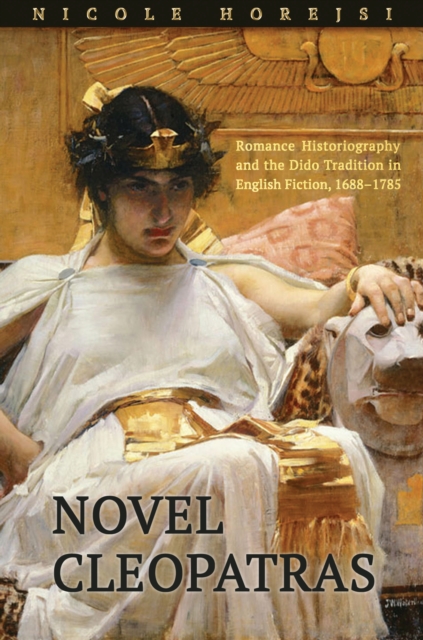
Advocating a revised history of the eighteenth-century novel, Novel Cleopatras showcases the novel's origins in ancient mythology, its relation to epic narrative, and its connection to neoclassical print culture.
Advocating a revised history of the eighteenth-century novel, Novel Cleopatras showcases the novel's origins in ancient mythology, its relation to epic narrative, and its connection to neoclassical print culture.
Drawing on the extensive and underused body of legal records on marriage that exist in Europe’s ecclesiastical and secular archives, Marriage in Europe, 1400–1800 examines the institution not just as it was theorized by jurists and theologians, but as it was lived in reality.
Drawing on the extensive and underused body of legal records on marriage that exist in Europe’s ecclesiastical and secular archives, Marriage in Europe, 1400–1800 examines the institution not just as it was theorized by jurists and theologians, but as it was lived in reality.
Other Diplomacies, Other Ties explores Cuba-Canada relations following the revolution of 1959 and the major geopolitical and economic transformations that have occurred in recent years.
Other Diplomacies, Other Ties explores Cuba-Canada relations following the revolution of 1959 and the major geopolitical and economic transformations that have occurred in recent years.
Commonly perceived as a direct threat to the practice of liberal democracy, the global reemergence of theocratic claims to political rule is a misunderstood development of twenty-first-century politics.
Commonly perceived as a direct threat to the practice of liberal democracy, the global reemergence of theocratic claims to political rule is a misunderstood development of twenty-first-century politics.
Among the most important of Erasmus' contributions to Christian humanism were his Greek text, new Latin translation, and annotations of the New Testament, an implicit challenge to the authority of the Vulgate and one that provoked numerous responses.