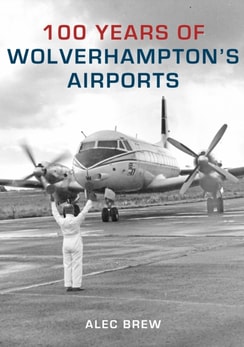
On 27 June 1910, the first ever all-British Flying Meeting began at Dunstall Park racecourse, Wolverhampton, and began an unbroken century of flying in the area.
From Verecunda, a girl in love with a Roman gladiator, who etched his name on a love token, to the footballer and television presenter Gary Lineker, and popular fashion consultant Gok Wan, it is characters such as this that have contributed to Leicester's long and exciting history, and sent its name around the world.
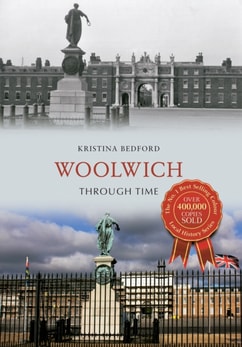
Woolwich is unique for its succession of iconic identities, which no longer exist, yet have not been lost to living memory - Woolwich Dockyard, founded by King Henry VIII in 1512 and closed in 1869, Woolwich Arsenal and its Laboratory Square, built in 1696 and roofed over in 1854 to provide the heart of the expanding munitions factory, which closed in 1967, and Woolwich Arsenal FC, formed by munitions workers in 1886 and moved from Manor Ground to Highbury in 1913.
Redland, Cotham & Kingsdown Through Time is a vibrant, historical exploration through a wonderful selection of old and new photographs of the neighbouring suburbs just north of Bristol's city centre.
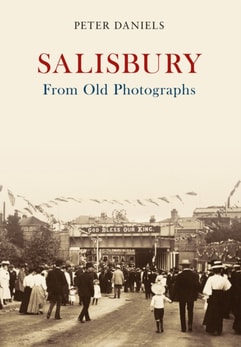
Salisbury is often described as 'the city in the countryside', and has recently been declared one of Lonely Planet's Top 10 Cities in Best in Travel for 2015.
'Stoke Bishop has less community of interest with Bristol than London has with Brighton,' stated Francis Tagart from his luxurious Old Sneed Park mansion in January 1885.
Swanage lies in a particularly attractive corner of Dorset, in a sheltered bay overlooked by the Purbeck Hills, with chalk cliffs along the coast and views across to the Isle of Wight.
The neighbouring communities of Neyland and Llanstadwell, on the northern bank of the mighty Milford Haven waterway, have a fascinating history full of diversity.
Loughborough is more than a market town, although the market is still held, twice-weekly, in the heart of the town, and is over seven hundred years old.
Ledbury, a small and vibrant medieval market town in Herefordshire, sits in a beautiful part of England amidst tranquil countryside, with gorgeous sunsets and half-timbered buildings.
Tourism was born in Market Harborough in 1841 when Thomas Cook, a local cabinetmaker, set off towards Leicester and had his dream of worldwide working-class travel.
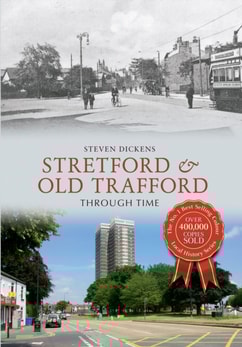
The districts of Stretford and Old Trafford are today best known for their sporting links to the football ground of Manchester United and the Lancashire county cricket ground.
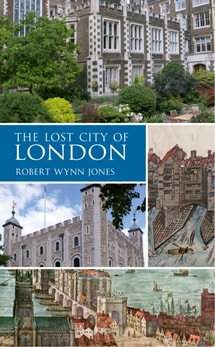
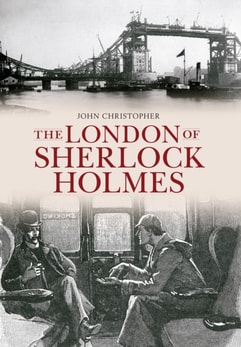
This fascinating compilation of early London photographs takes us on a tour of one of the world's greatest cities, but rather than picturing the historic scenes dating back to the 1850s in the traditional sepia and black and white monochrome, new realism is given here by reproducing the images in full colour.
Since Britain joined the European Economic Community in the mid- 1970s, the fishing industry along our coasts has been under pressure from overfishing.
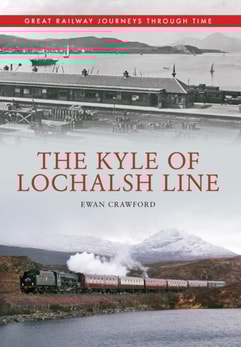
The Kyle of Lochalsh Line was opened in 1870 to connect the ferry terminus at Stromeferry on Scotland's west coast with Dingwall and Inverness on the east coast.
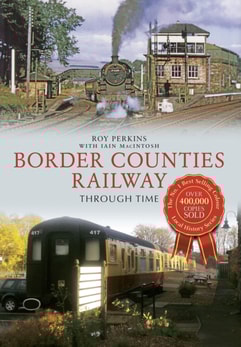
The Border Counties Railway ran from the old railway village of Riccarton Junction on the Waverley Route across the Border and through Northumberland to Hexham.
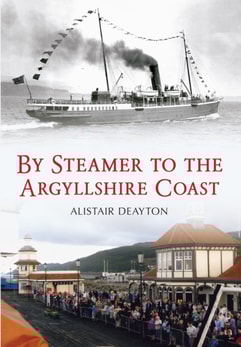
At the turn of the twentieth century, new laws introduced paid holidays for the masses and the seaside towns of Scotland saw a huge influx of visitors.
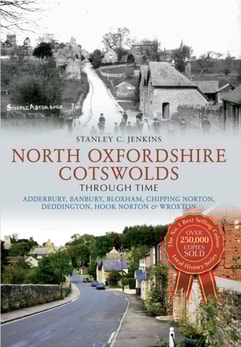
The area defined as the 'North Oxfordshire Cotswolds' extends from Wychwood Forest in the south to the Gloucestershire and Northamptonshire borders in the north.
Penrith, a small, but characterful and historic market town, was known as Epiacum during the Roman occupation, significant through lead and silver mining.
Most histories of medicine focus on the elite royal colleges of London and the exotic diseases and squalor of the city slums, but, according to Richard Moore, the real story of the emergence of healthcare as an integral component of the welfare state was written in the provincial shires.