Although, in pre-Grouping days, Oxfordshire was primarily Great Western territory, the county was also served by the Buckinghamshire branch of the London & North Western Railway, which was in many ways a 'foreign' intruder.
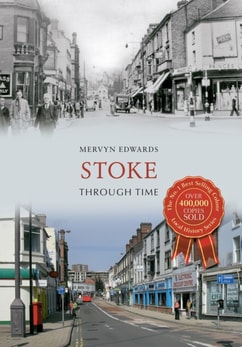
Stoke-upon-Trent, described as a village in 1795, grew rapidly from the 1820s and 1830s, by which time a new Anglican church had been built as well as new streets.
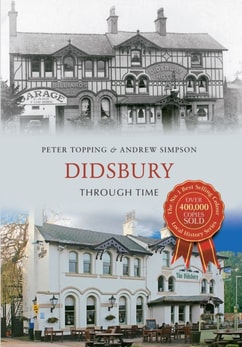
There have been some fine histories of Didsbury compiled over the last 150 years since the publication of A History of the Chapels of Didsbury & Chorlton by Revd John Booker in 1859.
This is the first book to be published that takes a 'then and now' view of the fourteen lifeboat stations on the north east coast between Sunderland and the Humber estuary.
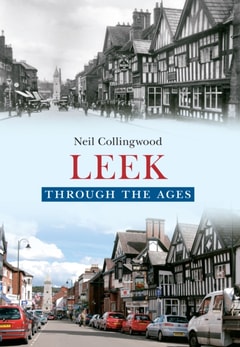
Leek, nestled at the foot of the Pennines in North Staffordshire, is a small, quiet market town rich in history and still boasting a wealth of architectural gems scattered throughout its narrow streets.
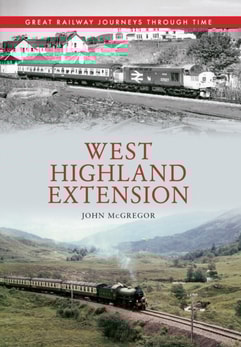
The Mallaig Extension was approved in 1894 to provide a continuation of the West Highland route for the benefit of the fishing industry on Scotland's west coast.
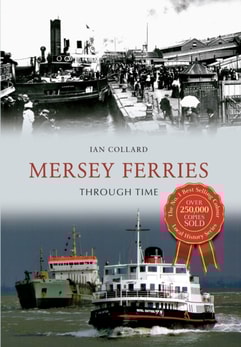
A Mersey ferry was recorded in the Domesday Book, and for around a thousand years, they have plied between Birkenhead and Wallasey on the Wirral and Liverpool.
A 'stuccoed town in the Regency manner', a watering place that became the most fashionable resort in England following George III's visit, or a place of Bath-chairs where ex-colonial officers came to die?
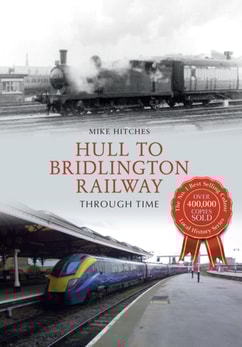
The stretch of railway line between Hull and Bridlington forms part of northern England's historic Yorkshire Coast Line (or the Hull to Scarborough line), which runs from Hull Paragon to Bridlington and Scarborough and is around 55 miles long.
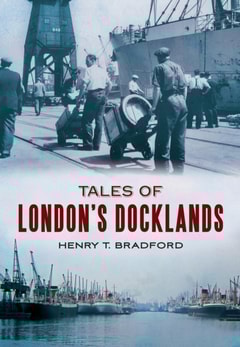
Tales of London's Docklands is an engaging and endearing account of the day-to-day experiences of hardworking dockers in the Port of London after the Second World War.
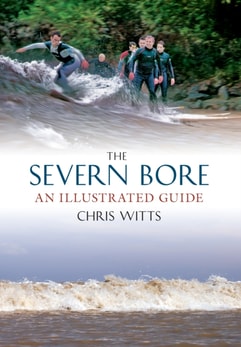
At numerous times throughout the year, thousands of people gather along the banks of the River Severn in Gloucestershire to see one of the wonders of the natural world.
Thomas Sutton's reputation as the wealthiest commoner in England at the time of his death in 1611 was matched by the scale of the charity which he founded at the Charterhouse in Clerkenwell.
A fabulous collection of ghost hauntings in Suffolk, from the infamous Black Dog of Bungay to the headless Anne Boleyn stalking visitors at Blickling Hall.
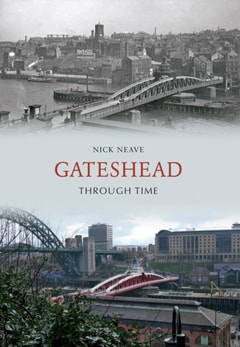
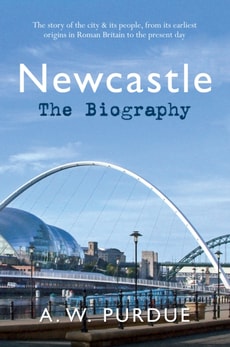
Gateshead was once described as the dirty lane leading to NewcastleA"e;, and over the years it has often been portrayed as the 'poor relative' in comparison to its larger and more glamorous neighbor Newcastle, across the river Tyne.
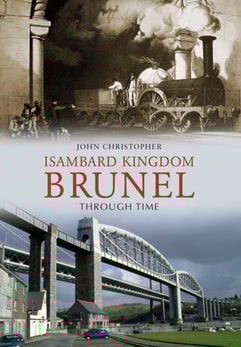
Isambard Kingdom Brunel was Britain's greatest engineer, he was the man who built everything on a huge scale, he built Britain's biggest ship, some of Britain's most spectacular bridges, a tunnel under the Thames and the finest railway line in Britain, the London to Bristol route of the Great Western Railway.
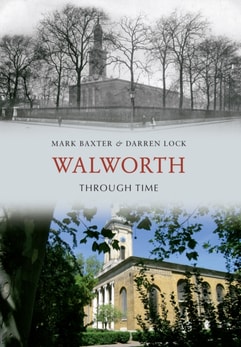
From beautiful eighteenth century houses to ugly concrete tower blocks Walworth Through Time welcomes you to explore the long and fruitful history of this area of South London, first mentioned in the Domesday book of 1086.