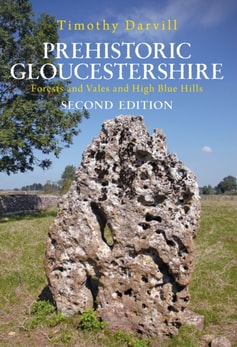
From the camps and caves occupied by hunter-gatherer groups visiting the area during the last Ice Age, through the long barrows and camps of the first farmers, to the massive hillforts and enclosures built by Celtic chieftains in the centuries before the Roman Conquest, this book charts the story of Gloucestershires landscape and its inhabitants over a period spanning more than half a million years.
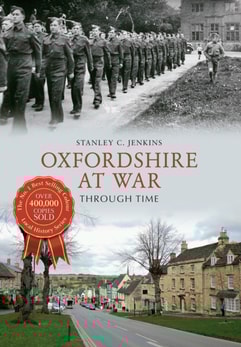
Oxfordshire has been involved with warfare throughout its history, ranging from Dark Age conflicts and the Viking Wars of the ninth and tenth centuries, to the cataclysmic conflicts of the twentieth century.
Once a sleepy rural community bordering the fields of North Somerset, the ancient Royal Manor of Bedminster spread along the banks of the River Avon, south of the City of Bristol.
The Jurassic Coast, stretching from Exmouth to Studland on the South Coast, is England's first natural World Heritage Site, putting it on a par with such famous features as the Grand Canyon.
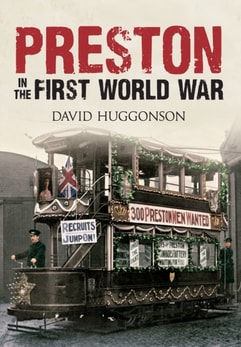
In February 1854, the great Victorian novelist Charles Dickens took the train from London's Euston station to Preston and it is thought that what he saw on his arrival in the town inspired the novel Hard Times, published later that year.
From its beginnings as an Anglo-Saxon settlement, through its development as an agricultural centre with all its related trades and services, the market town of Otley has seen many changes.
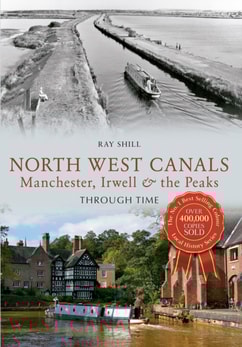
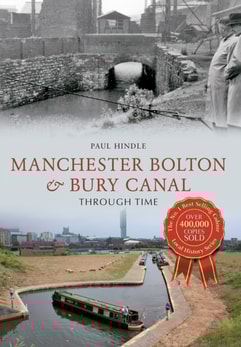
The history of the canals and waterways of North West England, including the Ashton Canal, Peak Forest Canal, Rochdale Canal, Huddersfield Canals, Manchester Bolton & Bury Canal and River Ribble, is traced through old and modern colour photographs.
Located on the banks of the River Clyde, Glasgow was once the second city of the Empire, producing ships, locomotives, cars and heavy engineering for the world.
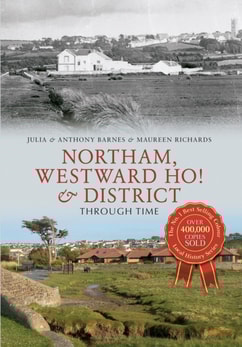
The Manor of Northam dates back to the Norman invasion and is well recorded in the Domesday Book, being part of lands owned by a Saxon Lord called Bristric, and this appears to be the first recorded evidence of what was in the area.
In this follow up to the highly successful Kendal Through Time, author Norman Holloway showcases the town's countless attractions, using a mixture of old and new images to awaken fond memories in those who know and love this historic town.
The London suburb of Highgate is still noted for its beautiful eighteenth- and nineteenth century architecture, its real village atmosphere, its old pubs and pretty residential areas.
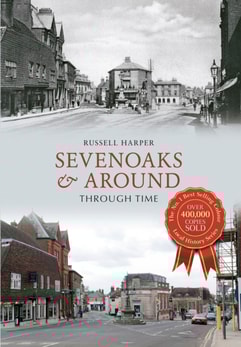
What the historian Sir John Dunlop, writing in 1964, called 'The Pleasant Town of Sevenoaks' has come a long way since it was established as a small market town in Saxon times.
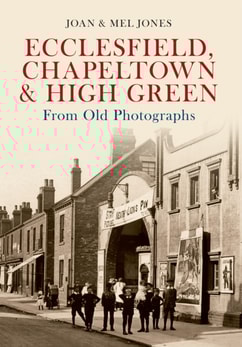
Now part of an almost continuous suburban built-up area on the northern fringes of the City of Sheffield, Ecclesfield, Chapeltown and High Green were for centuries three distinct communities.
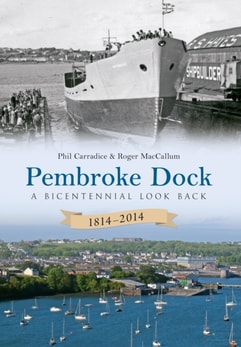
In 2014 Pembroke Dock celebrates 200 years since its founding, when a Royal Dockyard - the only one ever to exist in Wales - was established here on the banks of Milford Haven.
The Royal National Lifeboat Institution was established in 1824, and has a long and proud tradition of saving life at sea; nowhere is this more evident than in the south-east of England.
Although, in pre-Grouping days, Oxfordshire was primarily Great Western territory, the county was also served by the Buckinghamshire branch of the London & North Western Railway, which was in many ways a 'foreign' intruder.
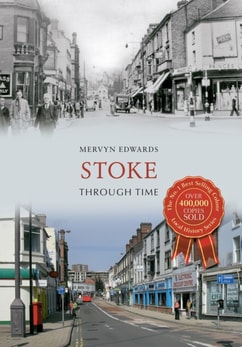
Stoke-upon-Trent, described as a village in 1795, grew rapidly from the 1820s and 1830s, by which time a new Anglican church had been built as well as new streets.
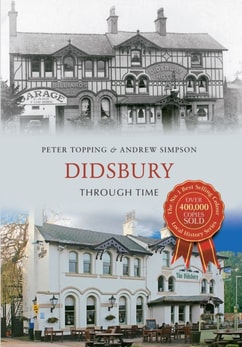
There have been some fine histories of Didsbury compiled over the last 150 years since the publication of A History of the Chapels of Didsbury & Chorlton by Revd John Booker in 1859.