Gillingham was once an independent and separate borough with its own character and personality, but in 1998 it lost this separate identity when it joined Chatham, Rochester and Strood to become part of the unitary authority of Medway Council.
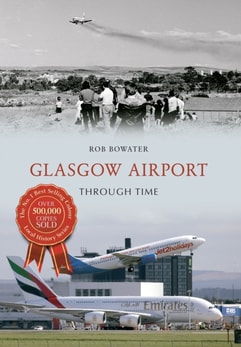
The history of Glasgow Airport goes back to 1932, when the present site at Abbotsinch was opened and then occupied by 602 (City of Glasgow) Squadron in early 1933.
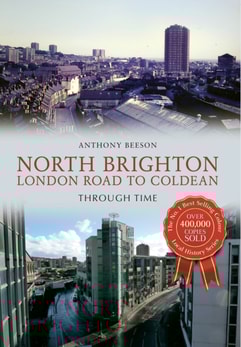
Brighton's first suburb, London Road, was for its first century almost entirely domestic in character and the haunt of the genteel middle classes, whose gardens were praised by the Loudons.
The mass migration of folk from the countryside to Bradford at the height of the Industrial Revolution resulted in large numbers of people existing in abject poverty, as thousands were housed in filthy and overcrowded rooms and cellar dwellings.
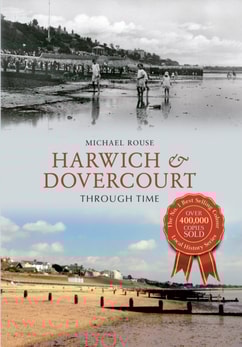
The 1960s saw a gradual movement of shipping from central London and the quays, wharves and docks of the upper River Thames down river to Tilbury and Harwich.
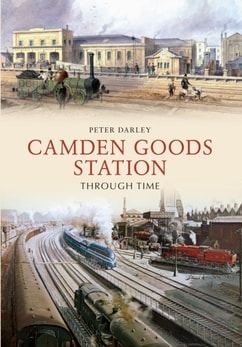
The London & Birmingham Railway was the major project of its day, designed by Robert Stephenson, one of the great railway pioneers, who also supervised its construction and its opening in 1837.
Almost forgotten by time, tucked away beyond the sight of the passerby, there is a little piece of old England, which was for many years a forgotten wilderness.
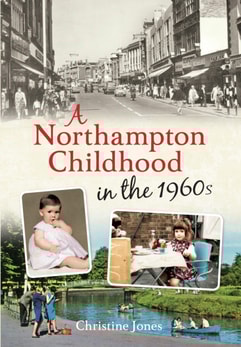
Christine Jones's account of growing up in Northampton during the 1960s and '70s is one of nostalgia and adventure as she recollects her time at school, home, and the many public events that took place in the area.
From its origins as a clearing in the Wealden forest, the Saxon settlement of 'Tenet-warre-den' rose to a position of prominence with the fourteenth-century burgeoning of the English wool trade.
The Glasgow, Cowal & Bute Route follows the development of the railways on the southern shores of the River Clyde, describing their influence on life in the towns and resorts of the river and Firth.
John Nichols' monumental History and Antiquities of the County of Leicester has been the foundation of historical research in Leicestershire since it was completed in eight massive volumes in 1815.
North Somerset has seen great changes in the last two centuries, and this evocative collection of old and new photographs shows how three of the county's communities, Portishead, Pill and Long Ashton, have altered and grown through time.
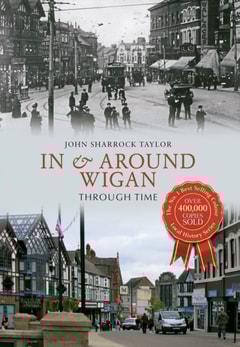
An ancient Celtic settlement, Wigan stands on the River Douglas with its face to the Pennine foothills, 8 miles south-west of Bolton and 20 miles from the South Lancashire coast.
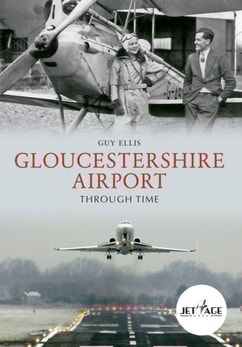
Gloucestershire Airport is at the heart of an important British aviation community where legendary aircraft such as the Gladiator, the E28/39, the first British jet fighter, the Meteor and the delta-wing Javelin all-weather fighter, were created by the Gloster Aircraft Company.
This book is part history and part an account of the daily life of a large aristocratic family with homes in Roxburghshire in Scotland, and in fashionable Eaton Square in London.
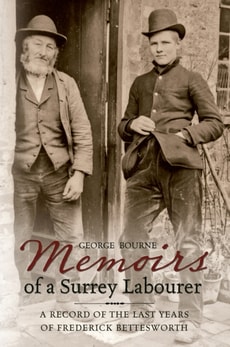
Memoirs of a Surrey Labourer, first published in 1907, recounts in affectionate detail the twilight years of gardener Fred Bettesworth at the close of the nineteenth century and the opening of the twentieth.
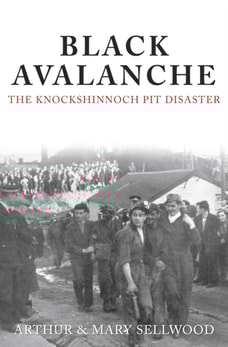
Never has there been a pit disaster to compare in terms of human courage and human error with that which overwhelmed Knockshinnoch Castle Colliery, in New Cumnock, Ayrshire, in the wet September of 1950.