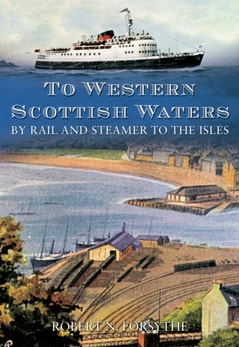
To Western Scottish Waters: By Rail & Steamer to the Isles is a pictorial tour through the decades and a peek into how both people and goods have travelled to the Isles over the years.
Flat-bottom craft have always been fascinating, largely because they appear so simple in their construction at first glance, made by the farmers and fishermen who used them.
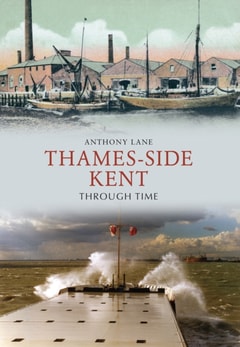
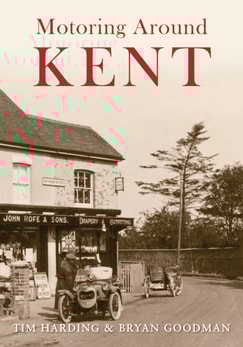
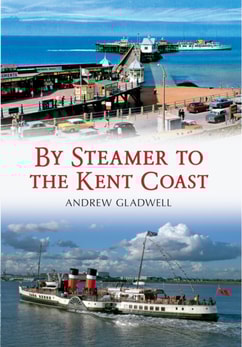
Commencing at the Nore, Thames-side Kent follows the course of a ship inward bound, presenting a nostalgic study of the southern bank of the River Thames as far as the county of Kent extends, the mouth of the River Darenth, also known as Dartford Creek.
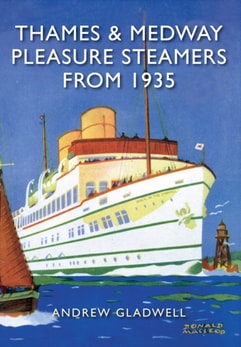
If you mention the subject of pleasure steamers on the rivers Thames and Medway, you can be certain that most people will remember with fond nostalgia the well-loved steamers Royal Daffodil, Royal Sovereign and Queen of the Channel.
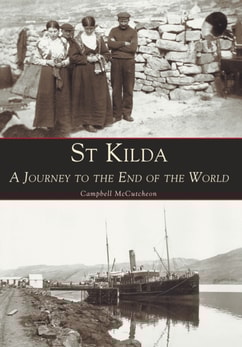
Using a unique series of images, many taken on the island of Hirta, the route is traced through the Western Isles and takes in Coll, Tiree, Skye, North and South Uist and St Kilda itself.
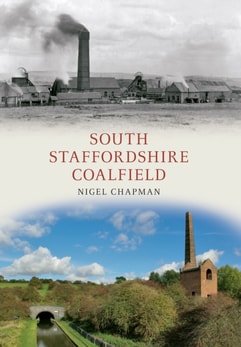
Reading some of the descriptions of the Black Country in the nineteenth century, one could be forgiven for believing the area stood at the gates of Hell.
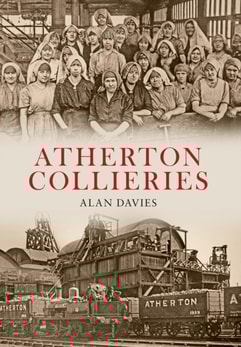
On the morning of Wednesday 21 December 1910, 889 men and boys travelled the two 434- yard-deep shafts at Hulton Colliery, also known as Pretoria Pit, situated in Over Hulton, north of Atherton, Lancashire.
From Gigha in the south to Lewis in the north and St Kilda in the west, Alistair Deayton covers the piers of the Hebrides and other outlying islands in the companion volume to his West Highland Piers.
Despite their popular association with fun and frivolity, the function of piers as both an amusement centre and landing stage was varied, and nowhere was this better illustrated than on the coasts of Hampshire, the Isle of Wight and east Dorset.
On the edge of the Warwickshire coalfield, coal had been mined in Nuneaton since the fourteenth century and the town was a centre for quarrying and brick-making too.
From Whitstable, with its oyster beds and fishing fleet, to Chatham and Rochester, the Medway and Swale areas have seen a diverse variety of shipping over the years, from the fishing smacks to men of war, Thames barges, sailing vessels, submarines, pleasure steamers, ferries and cargo ships.
London City Airport was first conceived as part of the regeneration of the London Docklands at the start of the 1980s, a pilot landing on Heron Quays to prove it could be done.
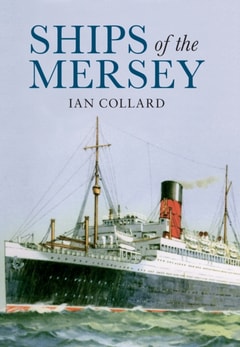
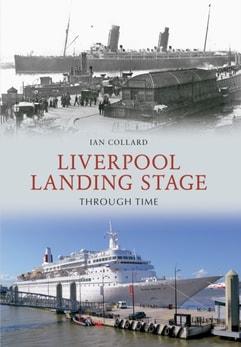
The Pier Head and landing stages have been places where the people of Liverpool have been able to view, participate in and enjoy many of the major maritime celebrations and events of the last hundred years.
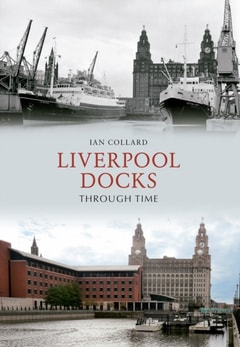
The Port of Liverpool handles more container trade with the United States than any other port in the UK and now also serves more than 100 other non-EU destinations, from China to Africa and the Middle East, and from Australia to South America.
Although Liverpool has existed as a port since the thirteenth century, it wasn't until the seventeenth century that it truly began to grow on the profits of trade with America, importing sugar from the West Indies and Virginia tobacco and exporting textiles from Lancashire.
The area of Lancashire and Cheshire can be considered one of the homes of the Industrial Revolution, and it was the abundance of coal close to the surface that literally helped fuel the great growth in cities such as Manchester and Liverpool.
Dependent originally on fishing and farming, Margate and Ramsgate benefited as limbs of the Cinque Ports during the Middle Ages, shipping grain to London and elsewhere.
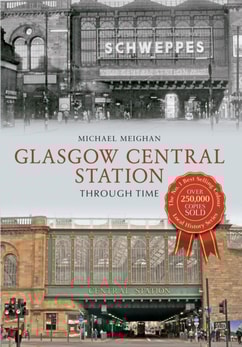
Originally opened in August 1879, Central Station became a Glasgow landmark and one of Scotland's great buildings following a rebuild between 1901 and 1905 supervised by Caledonian Railway chief engineer Donald Matheson.
This book takes an in-depth look at the small independent railway that was financed and built by the good citizens of Halstead and its surrounding villages in Essex.
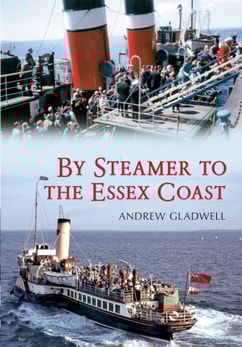
Cruises by pleasure steamer along the Essex coast have been a popular day out since the Victorian age, and are still going strong today despite a plunge in popularity in the 1960s and 1970s and several tragic fires.
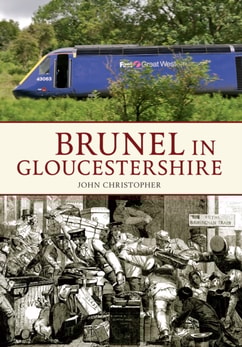
Isambard Kingdom Brunel, Britain's greatest engineer is perhaps best known for his ships and the Bristol-London main line, but he also designed many structures in Gloucestershire too.
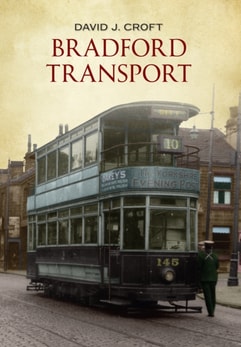
Organised transport services commenced in Bradford in 1882 and since then the streets have witnessed the passage of horse trams, steam trams, electric trams, trolleybuses and motor buses.
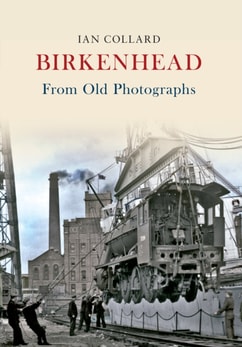
Birkenhead From Old Photographs offers a captivating glimpse into the history of Birkenhead, providing the reader with a visual representation of the town's intriguing and chequered history.