Anyone reading this book who is old enough to remember some of the old scenes and buildings of the area may find that they are surprised at how much Havering has changed in the not too distant past.
'Hastings and St Leonards, the charming marine resort of fashionable English society, possess attractions and recommendations that render the borough unique and unrivalled among English watering places.
In relating the cases heard in the Courts of the County Assize in Gloucestershire nearly two centuries ago this book offers a variety of examples of the sins and sinners of those days, together with a fascinating insight into the consequences of those wrongdoings.
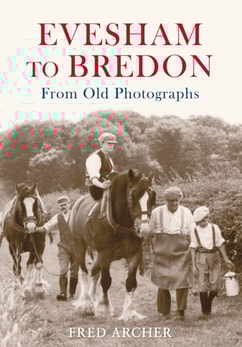
Evesham to Bredon in Old Photographs offers a captivating glimpse into the history of this area, providing the reader with a visual representation of Evesham and Bredon's intriguing and chequered history.
Derbyshire Cavemen explores the little known world of cave folklore and archaeology in a cave rich region encompassing the uplands of the Peak District and the surrounding areas.
Barns have been part of the landscape since the Middle Ages and several superb examples dating from the thirteenth, fourteenth and fifteenth centuries can still be found throughout the Cotswolds.
In the 1850s the area consisted of three villages - Turnham Green along the main road to the west and the riverside hamlets of Chiswick and Strand on the Green, separated by fields, market gardens and the grounds of several large mansions.
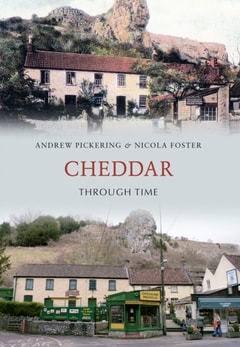
Now that the railway has gone and most visitors disembark from the car and coach bays above the world-famous caves, this book explores Cheddar past and present from the top of its dramatic gorge to the substantial reservoir beyond the bustling village below.
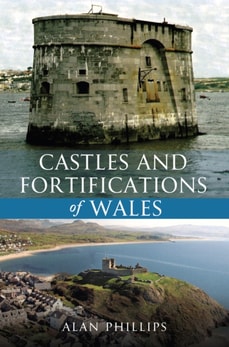
Wales, a small country, is littered with the relics of war - Iron Age forts, Roman ruins, medieval castles and the coastal forts of the eighteenth and nineteenth centuries.
Brighouse Through Time provides a unique opportunity to look, not only at the present day town centre that many readers will be familiar with, but also how many parts appeared particularly during the nineteenth and twentieth centuries.
The railway network within Birmingham has long been important for the movement of passengers and freight to serve the centre and its suburbs, and as the road network around Birmingham has become more congested, the railways in the city have, once more, taken on an important role.
The photographs in this fascinating selection document the changes which overtook the county town of Staffordshire in the century following the discovery of photography.
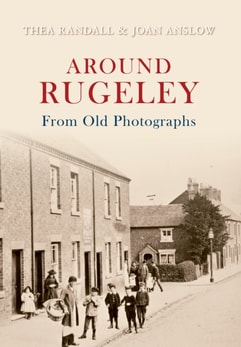
The town, historically known as 'Rudgeley', is listed in the Domesday Book and it is thought that the name derives from 'Ridge lee', or 'the hill over the field'.
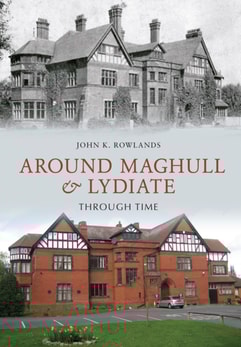
This book, a collection of photographs of rural dwellings that have long since vanished, and those that still stand but have changed beyond all recognition, records the changes inflicted upon the Lancashire townships of Maghull and Lydiate by the turnpike, the canal, the railways and the more modern demands of nearby Liverpool.
If you've ever wondered where Cross Bar Lane, Banjo Cottage, the Blue Robin and the Bug House cinema were, or how Jacky Fields, Caller Beck, Egton Village, Gallows Close and Cock Mill got their names, then A History of Whitby & its Place Names will be of interest to you.
THE RIVER WELLAND has been a main waterway through South Lincolnshire for centuries, flowing through Stamford, Market Deeping, Deeping St James, Crowland, Spalding and finally out to the sea at Fosdyke.