Donald Pisani's history of perhaps the boldest economic and social program ever undertaken in the United States--to reclaim and cultivate vast areas of previously unusable land across the country-shows in fascinating detail how ambitious government programs fall prey to the power of local interest groups and the federal system of governance itself.
This book chronicles the fascinating story of the enthusiastic, stalwart, and talented naturalists who were drawn to California's spectacular natural bounty over the decades from 1786, when the La Perouse Expedition arrived at Monterey, to the Death Valley expedition in 1890-91, the proclaimed "e;end"e; of the American frontier.
The history of the American West is a history of struggles over land, and none has inspired so much passion and misunderstanding as the conflict between ranchers and the federal government over public grazing lands.
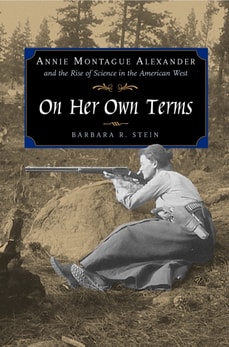
At a time when women could not vote and very few were involved in the world outside the home, Annie Montague Alexander (1867-1950) was an intrepid explorer, amateur naturalist, skilled markswoman, philanthropist, farmer, and founder and patron of two natural history museums at the University of California, Berkeley.
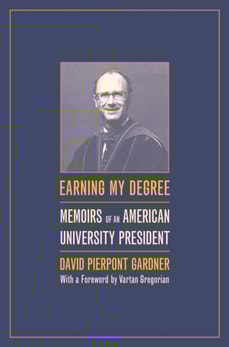
David Pierpont Gardner was president of one of the world's most distinguished centers of higher learning-the nine-campus University of California-from 1983 to 1992.
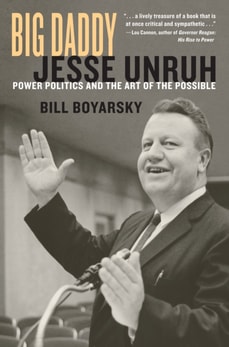
Revealing and frank, this highly engaging biography tells the story of an American original, California's Big Daddy, Jesse Unruh (1922-1987), a charismatic man whose power reached far beyond the offices he held.
In 1949, lawyer, historian, and journalist Carey McWilliams stepped back to assess the state of California at the end of its first one hundred years-its history, population, politics, agriculture, and social concerns.
San Francisco is perhaps the most exhilarating of all American cities--its beauty, cultural and political avant-gardism, and history are legendary, while its idiosyncrasies make front-page news.
When August Fruge joined the University of California Press in 1944, it was part of the University's printing department, publishing a modest number of books a year, mainly monographs by UC faculty members.
More comprehensive than any other book on this topic, Los Angeles and the Automobile places the evolution of Los Angeles within the context of American political and urban history.
It is not the purpose of this work to propose a specific format for the settlement of the citys current difficulties with the valley, to resolve the environmental questions associated with Los Angeless proposed groundwater pumping program, or to promote any cause associated with the developing situation in the Owens Valley.
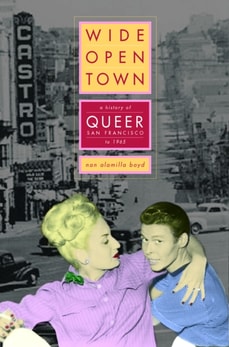
Wide-Open Town traces the history of gay men and lesbians in San Francisco from the turn of the century, when queer bars emerged in San Francisco's tourist districts, to 1965, when a raid on a drag ball changed the course of queer history.
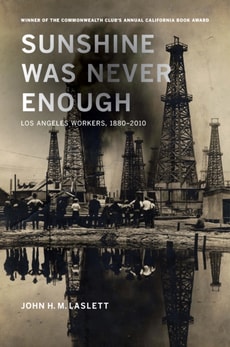
Delving beneath Southern California's popular image as a sunny frontier of leisure and ease, this book tells the dynamic story of the life and labor of Los Angeles's large working class.
From the California Indians who labored in the Spanish missions to the immigrant workers on Silicon Valley's high-tech assembly lines, California's work force has had a complex and turbulent past, marked by some of the sharpest and most significant battles fought by America's working people.
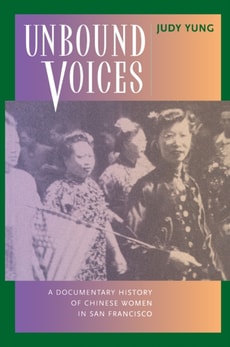
Unbound Voices brings together the voices of Chinese American women in a fascinating, intimate collection of documents-letters, essays, poems, autobiographies, speeches, testimonials, and oral histories-detailing half a century of their lives in America.
Una selva de palabras: Literaturas indígenas contemporáneas de Brasil, Guatemala y Colombia trata de las voces indígenas que han irrumpido en el campo de la literatura, en consonancia con los avances y logros del movimiento indígena de las últimas cinco décadas.
A behind-the-scenes look at the lives of Disneys character performers and their struggles for union democracyBehind the costumes, life isnt always magic and fairy dust for the people who play the iconic characters of Mickey Mouse, Goofy, and Cinderella at Walt Disney World.
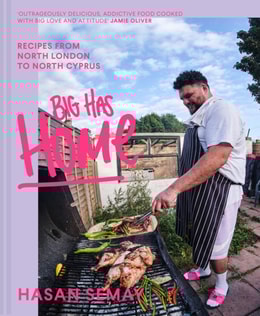
We've all spent a little more time at home in recent years and this has meant we've a new-found appreciation for what lunch represents to us: a break, excitement, something that isn't typing emails or Zoom meetings.
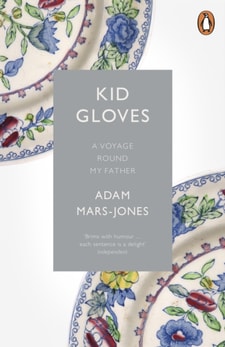
NEW STATESMAN, TELEGRAPH, TIMES LITERARY SUPPLEMENT AND GUARDIAN BOOKS OF THE YEAR 2015When his widowed father - once a high court judge and always a formidable figure - drifted into vagueness if not dementia, the writer Adam Mars-Jones took responsibility for his care.
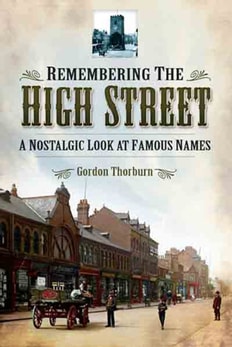
A nostalgic trip down the British high street, remembering once famous names such as Woolworths, Athena and C&A and also featuring current favorites, including the ubiquitous Tesco and Marks & Spencer which started life as a penny market stall to become a retail giant that has had to adapt to survive.
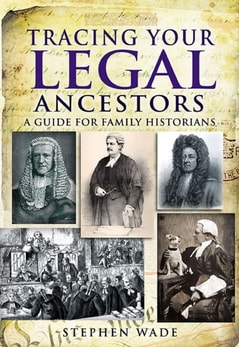
The law had as much influence on our ancestors as it does on us today, and it occupies an extraordinary range of individuals, from eminent judges and barristers to clerks and minor officials.
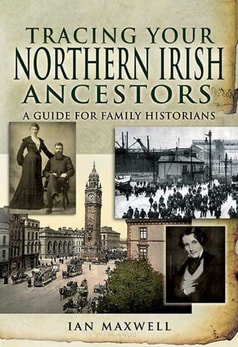
"e;The most definitive guide yet in print of researching Ulster based Ancestry"e; from the Irish genealogy expert and author (Discover My Past, England and Scotland).
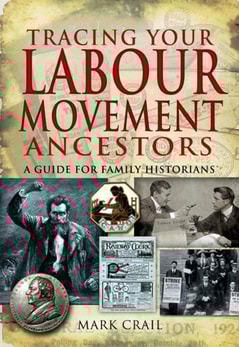
If you want to find out about the life of an ancestor who was active in the labor movement or was a union member, this handbook will be a fascinating introduction to the subject.
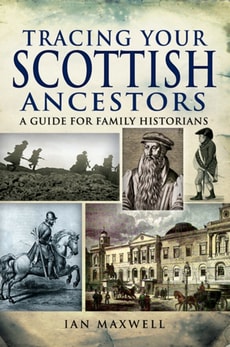
Scotlands history has been influenced by many factors the division between the Highlands and the Lowlands, the feudal system, the Reformation, the industrial revolution - that have shaped the countrys past and impacted on the lives of its people.
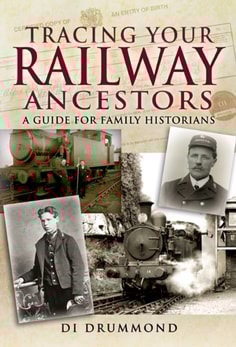
Di Drummond's concise and informative guide to Britain's railways will be absorbing reading for anyone who wants to learn about the history of the industry and for family history researchers who want to find out about the careers of their railway ancestors.