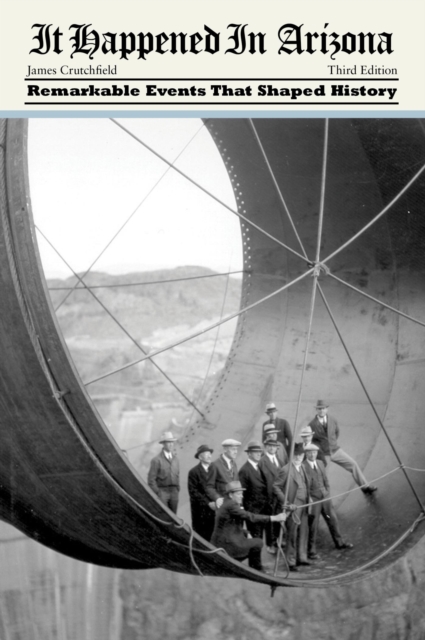
It Happened in Arizona features thirty-six episodes from Arizona's historyfrom the thirteenth-century creation of the Hohokam's irrigation canals to the building of the Hoover Dam, and fromexplorations of the Grand Canyon to a stagecoach robbery.
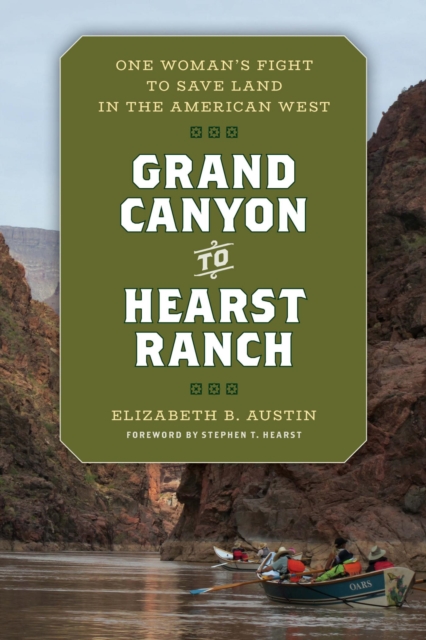
Finalist for the 2020 WILLA Literary Award, Creative NonfictionInspired by her first breathtaking trip in the Grand Canyon, Harriet Hunt Burgess dedicated her life to saving land for future generations.
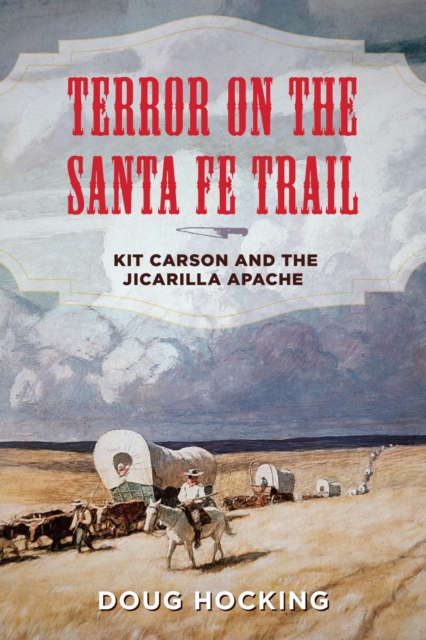
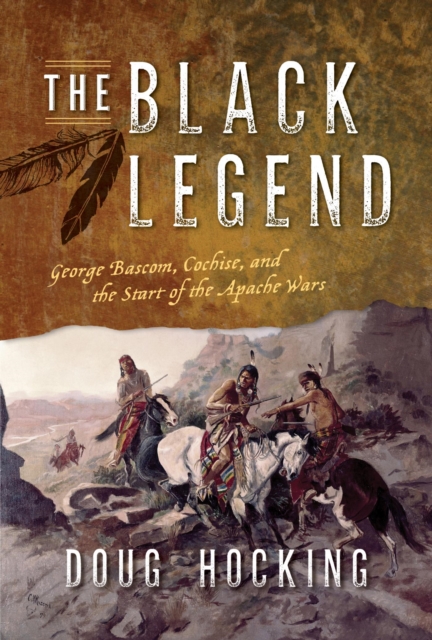
*Winner of the 2020 Will Rogers Medallion Award for Western Nonfiction*In the 1840s and 50s, the Jicarilla Apache were the terror of the Santa Fe Trail and the Rio Arriba.
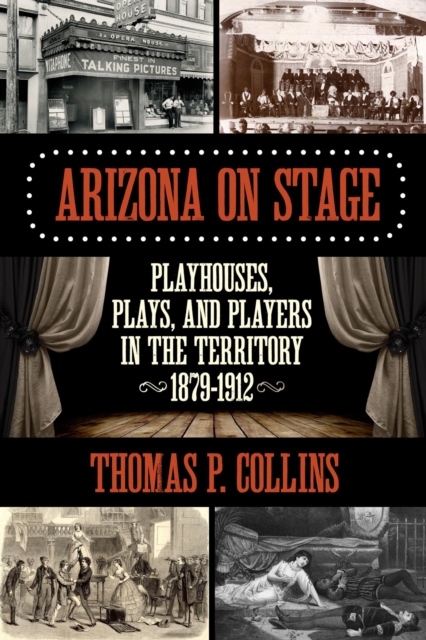
Most of the books that have been written about territorial Arizona and the southwest focus on the Indian Wars, outlaws, violent crimes, gambling, saloons, and bawdy houses.
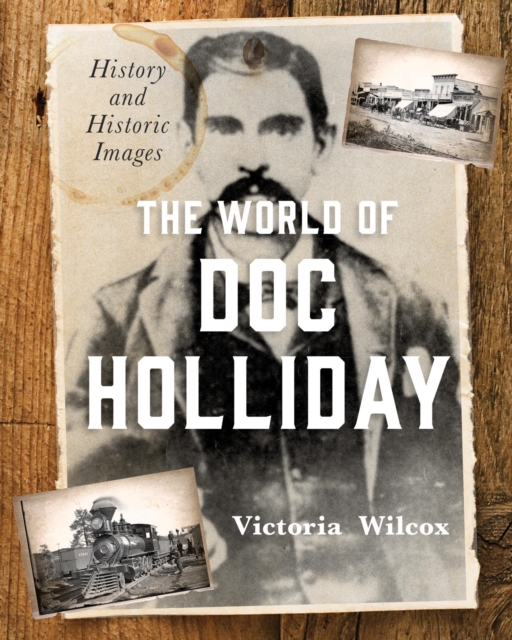
His name conjures images of the Wild West, of gunfights and gambling halls and a legendary friendship with the lawman Wyatt Earp, and he is probably most famous for his time in Tombstone.
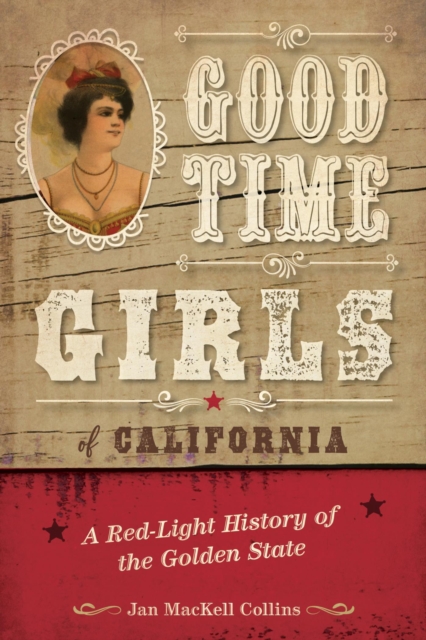
While settlers were drawn out West by the often empty promises of the Gold Rush, prostitution grew and flourished within the mining camps, small towns, and cities of nineteenth-century California.
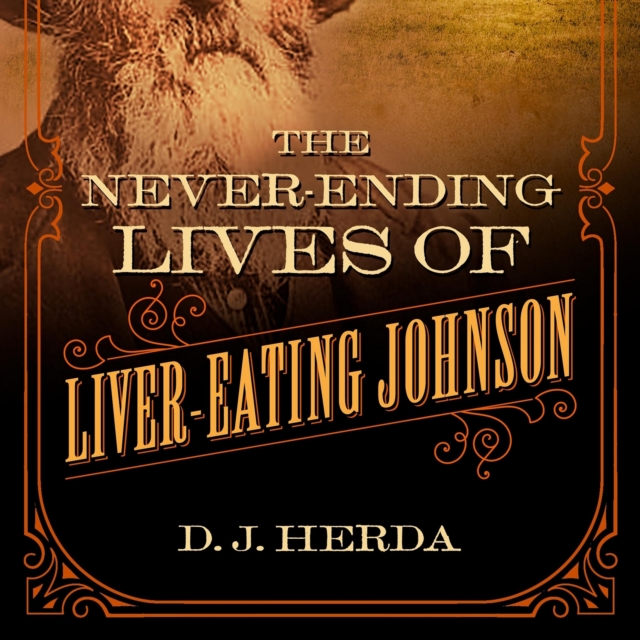
From Farmer and Sailor to Mountain Man, Crow Killer, and Town Sheriff,One mans reputation lives past all othersWhen it came to western mountain men, no one on earth ever matched the physical prowess or will to survive of John Liver-Eating Johnson.
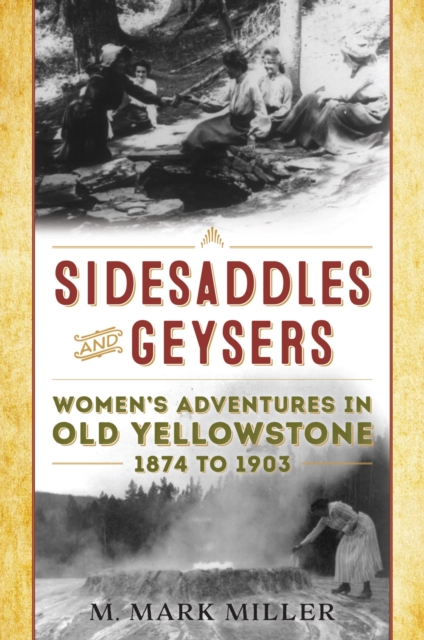
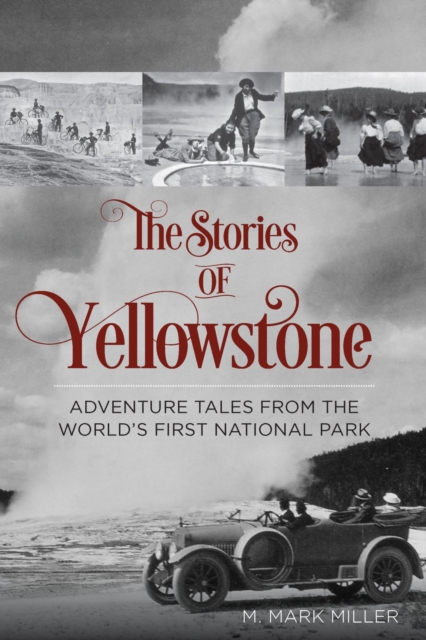
This anthology of first person-accounts by women who toured Yellowstone Park more than a century ago includes tales of high adventure, raucous humor, and glorious sights of the late nineteenth and early twentieth centuries.
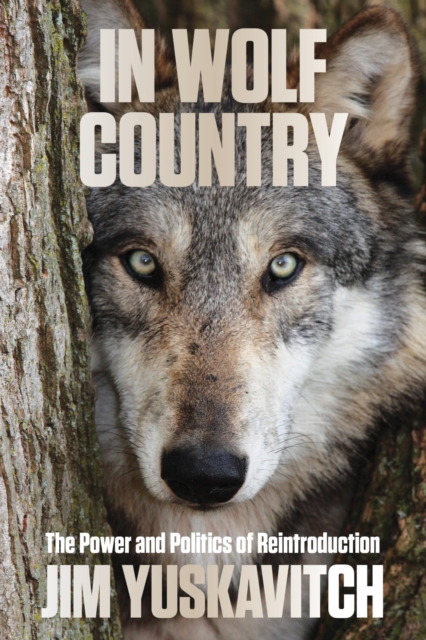
In Wolf Country tells the story of the first groups of wolves that emigrated from reintroduced areas in Idaho to re-colonize their former habitat in the Pacific Northwest, how government officials prepared for their arrival, and the battles between the people who welcome them and the people who don't, set against the backdrop of the ongoing political controversy surrounding wolf populations in the Northern Rockies.
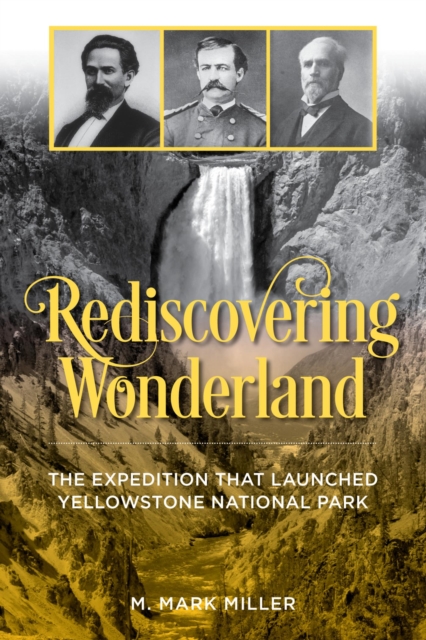
Covering the time period from 1807, when John Colter first discovered the wonders of the Yellowstone Plateau to the 1920s when tourists sped between luxury hotels in their automobiles, these tales of Wonderland come from the letters, journals, and diaries kept by early visitors and later tourists.
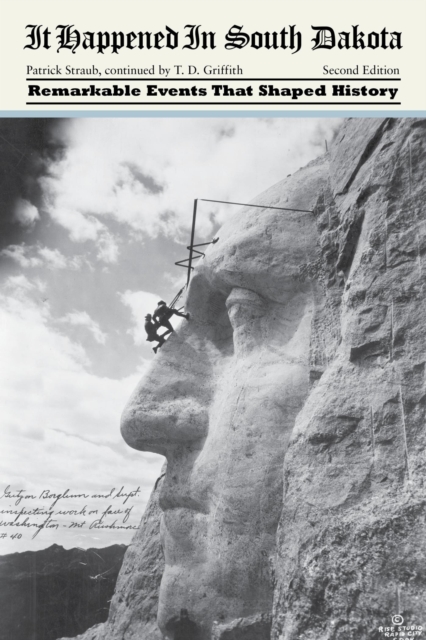
A fascinating collection of thirty-two compelling stories about events that shaped the Mount Rushmore State, It Happened in South Dakota describes everything from Lewis and Clark raising an American flag on the Missouri to the continuing creation of a monument to Crazy Horse.
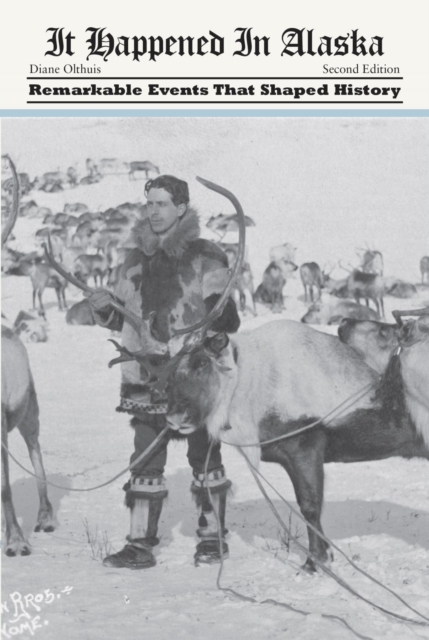
The remote, unforgiving landscape and colossaland unpredictably unstablemountain ranges of Alaska have kept at bay many a faint-hearted outsider, but the lure of this territory's beauty, as well as its rich and vast resources, continues to entice adventuresome natives and outsiders alike.
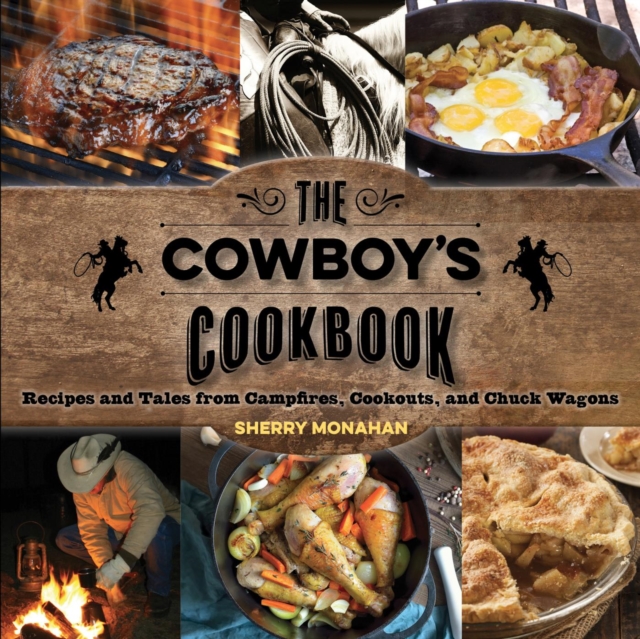
From chuckwagon recipes to dutch-oven favorites for your own campfire, The Cowboys Cookbook features recipes, photos, and lore celebrating the cowboy's role in the shaping of the American West.
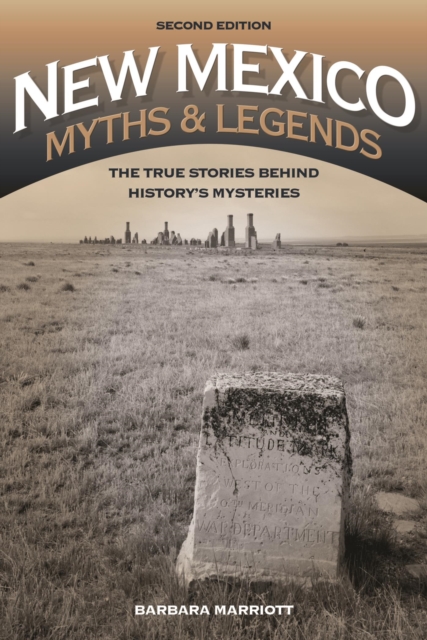
Part of our new and growing Myths, Mysteries and Legends series, Myths, Mysteries and Legends of New Mexico explores unusual phenomena, strange events, and mysteries in the Land of Enchantments history.
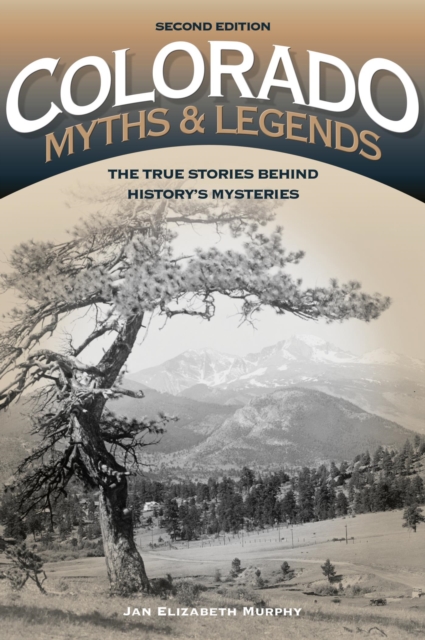
From the Anasazi cliff dwellings to tales of Buffalo Bills bravado, and from an unsolved bank robbery in Denver to the murder of Jon Benet Ramsey, Colorado Myths and Legends examines a fascinating array of puzzling events, unsolved mysteries, and tragic crimes in the often troubled (but always compelling!
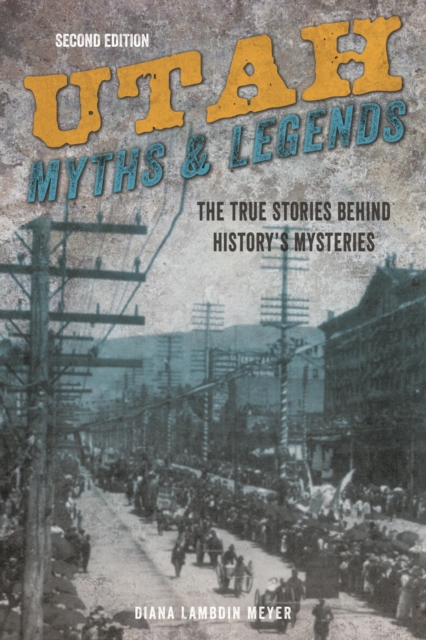
Utah may be best known for its mesmerizingly beautiful high deserts, the largest salt water lake in the Western Hemisphere, and as the home base for one of the world's most popular religious groups, but few may know about the Lost Rhoades mine purportedly full of gold treasure, the unseen residents of Heritage Park, or an unusually large, three-toed primate that steals livestock.
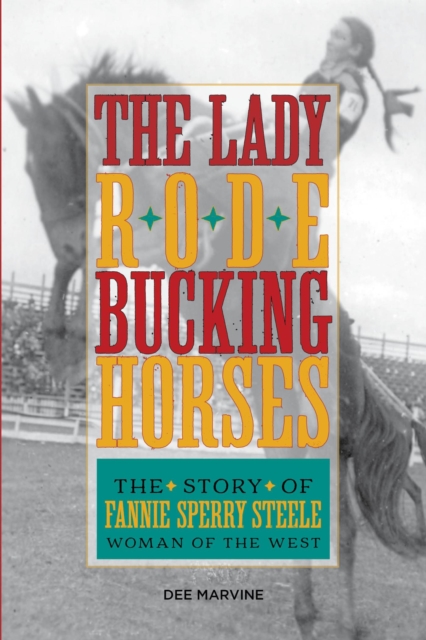
The Lady Rode Bucking Horses depicts an era of the American West when capturing renegade horses from the hills above the homestead served as training ground for extraordinary horsemanship.
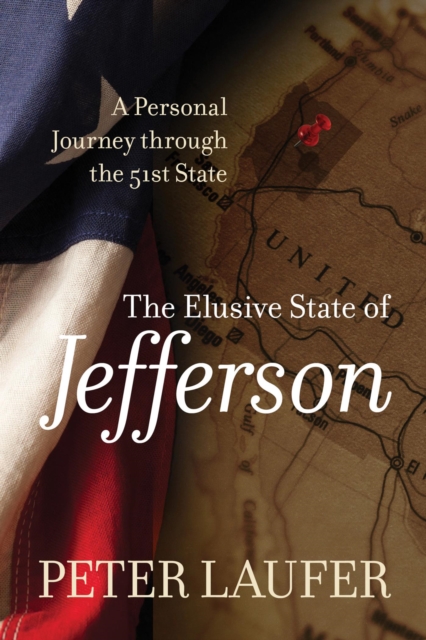
By 1941, a nascent statehood movement began to coalesce into an active and explicit secession campaign seeking to carve from Northern California and Southern Oregon a new State of Jefferson.
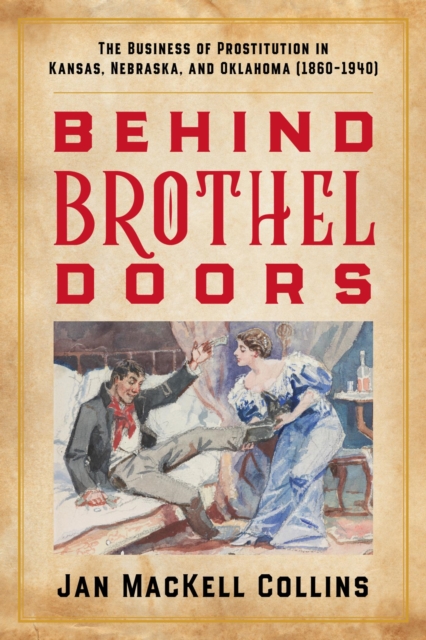
Often overlooked, disregarded, or hidden from historical accounts due to its racy connotations, the prostitution industry was one of the most important factors in the development of the American West.
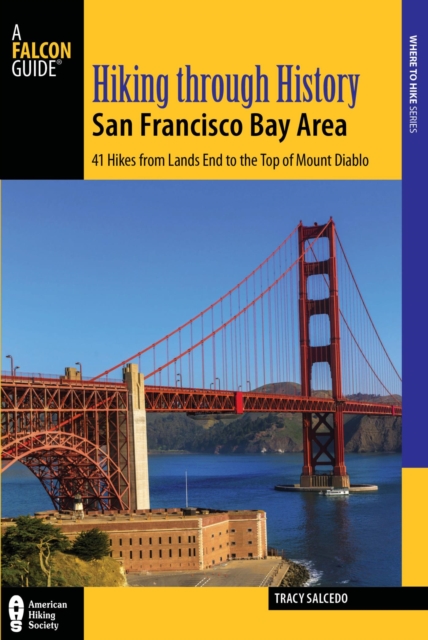
Imagine hiking along a wooded trail near San Francisco and stumbling upon the stone foundation of a crumbled building, the wooden slats of the walls caved in, the ironwork of the hinges still dangling on the burned out door.
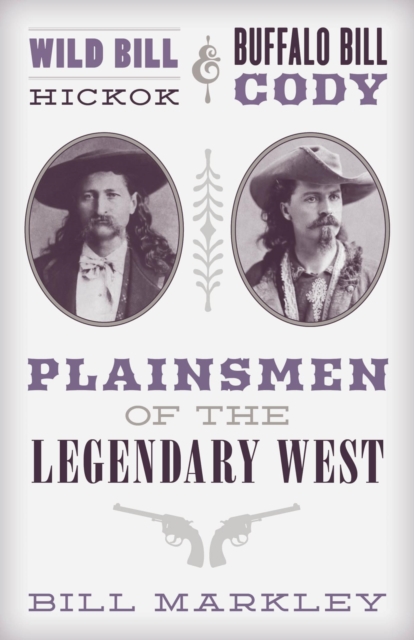
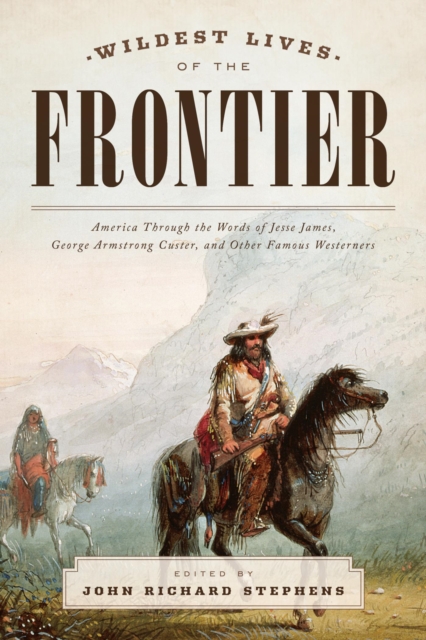
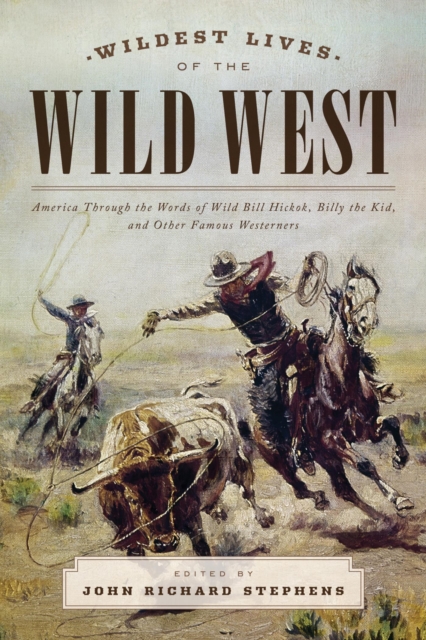
By and about the greatest celebrities of frontier America, these are the stories of their adventures told in their own words through excerpts from autobiographies, articles they wrote, newspaper interviews, private journals, personal letters, and court testimony.
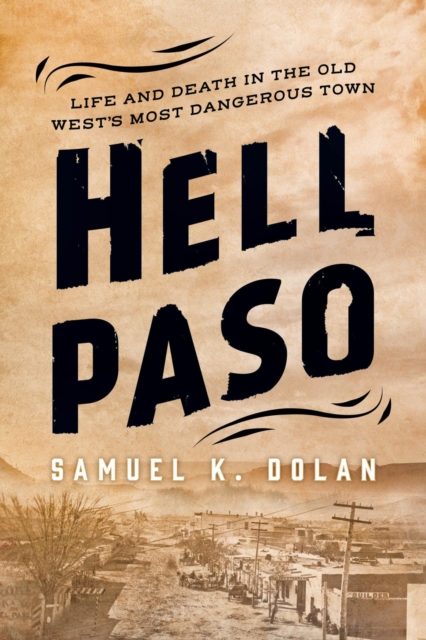
Spanning a thirty-year period, from the late 1800s until the 1920s, Hell Paso is the true story of the desperate men and notorious women that made El Paso, Texas the Old West's most dangerous town.
Sitting at the kitchen tables of twelve women in their eighties who were born in or immigrated to Montana in the late nineteenth or early twentieth century, between 1982 and 1988 oral historian Donna Gray conducted interviews that reveal arich heritage.
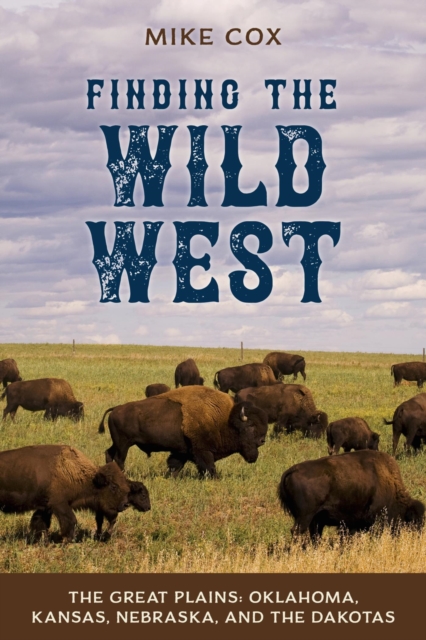
From the famed Oregon Trail to the boardwalks of Dodge City to the great trading posts on the Missouri River to the battlefields of the nineteenth-century Indian Wars, there are places all over the American West where visitors can relive the great Western migration that helped shape our history and culture.
In January of 1920, the Eighteenth Amendment to the United States Constitution went into effect and the sale and manufacture of intoxicating spirits was outlawed.
From Dodge City to Abilene and beyond, Kansas in its early years was one fine place for outlaws, and one of the most violent places in Americas history.
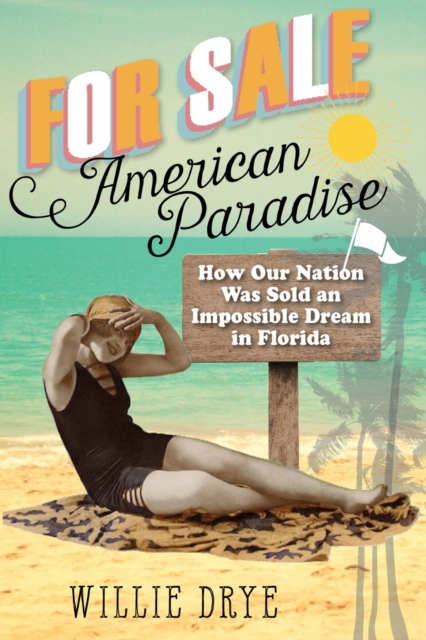
Winner of the Independent Publisher Book Awards Silver Medal for Best Regional Nonfiction in the SouthwestThe story of how Florida became entwined with Americans 20th-century hopes, dreams, and expectations is also a tale of mass delusion, real estate collapses, and catastrophic hurricanes.
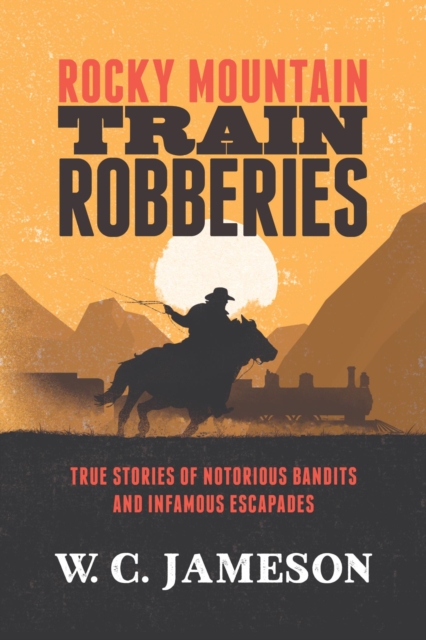
One of the most colorful parts of American History is the time of train robberies and the daring outlaws who undertook them in the period covering from just after the Civil War to 1924.
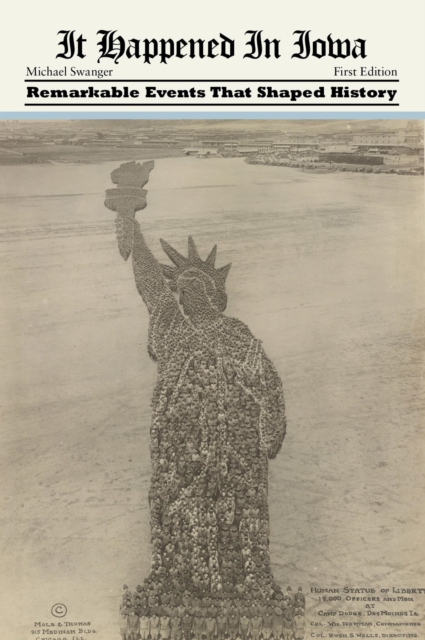
For most Americans, Iowa brings to mind endless acres of corn fields, one of the country's longest-running state fairs, and American Gothic, but few may know how it serendipitously became the birthplace of the most iconic apple, why thousands of cyclists brave the Midwestern heat and humidity to cross the entire state one week each year, or how a former Des Moines sports announcer became one of the White House's most popular residents.
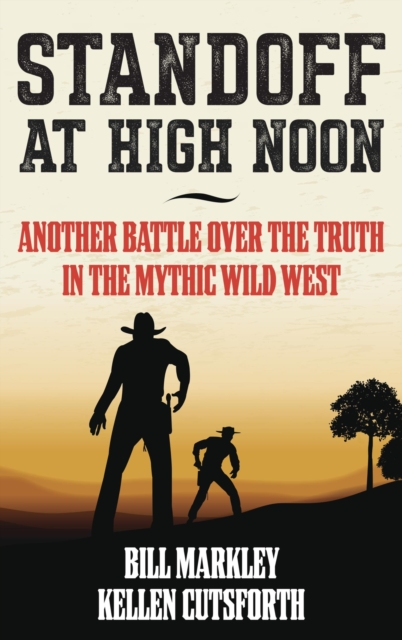
In Standoff at High Noon, the sequel to Old West Showdown, coauthors Kellen Cutsforth and Bill Markley again investigate ten well-known, controversial stories from the Old West.
In the nineteenth century people could gain fame and fortune by ';discovering' and documenting things that were already known to exist like the source of the Nile and the North Pole.
A modern-day explorers guide to the Old WestFrom the famed Oregon Trail to the boardwalks of Dodge City to the great trading posts on the Missouri River to the battlefields of the nineteenth-century Indian Wars, there are places all over the American West where visitors can relive the great Western migration that helped shape our history and culture.
By and about the greatest celebrities of frontier America, these are the stories of their adventures told in their own words through excerpts from autobiographies, articles they wrote, newspaper interviews, private journals, personal letters, and court testimony.
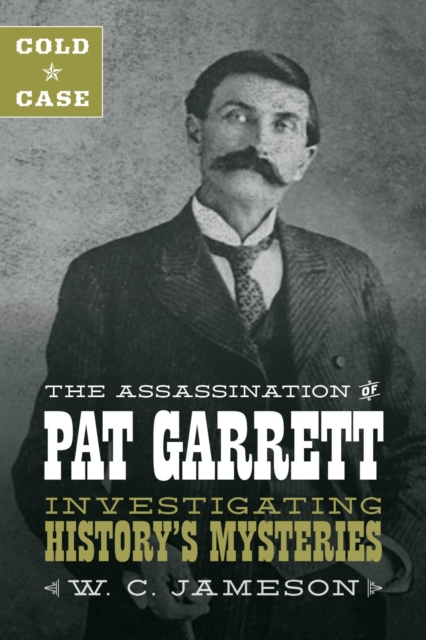
Investigating Historys MysteriesThe assassination of Sheriff Pat Garrett, one of the most notorious lawmen of the American West, remained one of the most puzzling and perplexing unsolved mysteries for more than a century.