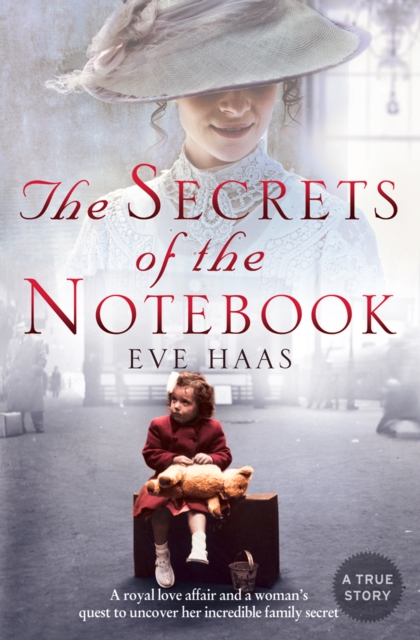
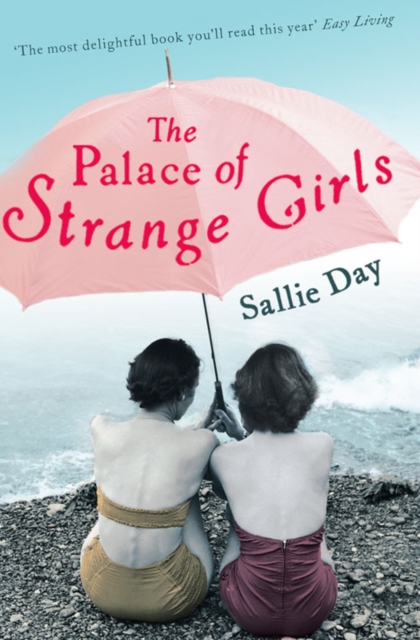
The incredible true story revealed by a family notebook, telling of four daughters across two centuries of turbulent history, of a passionate and ill-fated royal love affair, ending in a tragic and cruel death.
In 1938, with the Japanese army approaching from Nanking, Huan Hsu's great-great grandfather, Liu, and his five granddaughters, were forced to flee their hometown on the banks of the Yangtze River.
From the bestselling author of 'The Binding Chair', this dazzling follow-up to her memoir 'the Kiss' explores the bonds of motherhood between four generations.
In this remarkable, landmark publication, countryman Sir Johnny Scott evokes all that is romantic about the British countryside, its people, customs and traditions.
From the bestselling author of 'The Lighthouse Stevensons', a gripping history of the drama and danger of wrecking since the 18th-century - and the often grisly ingenuity of British wreckers, scavengers of the sea.
In her third novel, acclaimed author of 'In Search of Adam' and 'Black Boxes' Caroline Smailes draws upon her own family history for a remarkable and unforgettable story of loss and redemption.
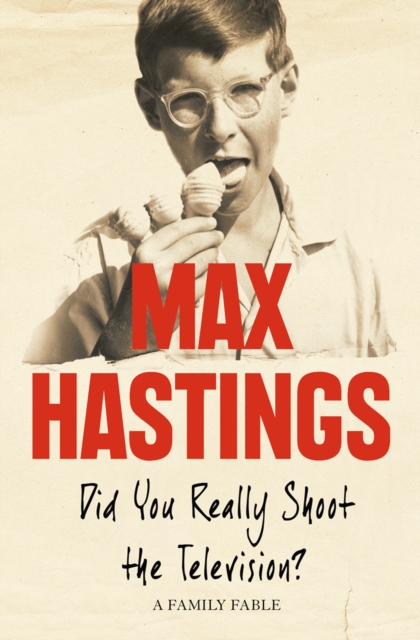
Max Hastings's account of his family's tumultuous 20th century experiences embraces the worlds of fashion and newspapers, theatre and TV, pioneering in Africa and even - his father's most exotic 1960 stunt - being cast away on a desert island in the Indian Ocean.
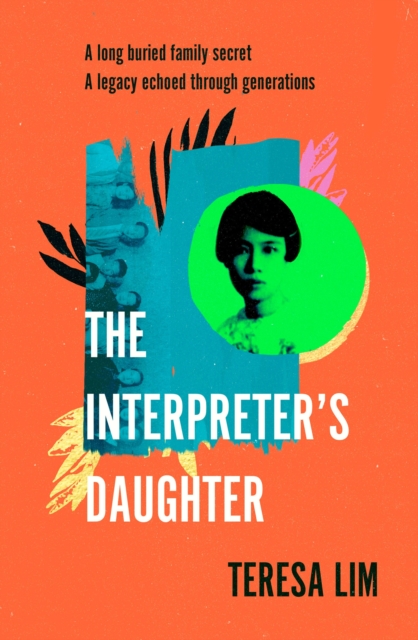
Discover one family's fascinating story in this beautiful, sweeping, multigenerational memoir, spanning 19th century south China to modern day Singapore'A captivating, compelling story of history, family loyalty, and personal sacrifice.
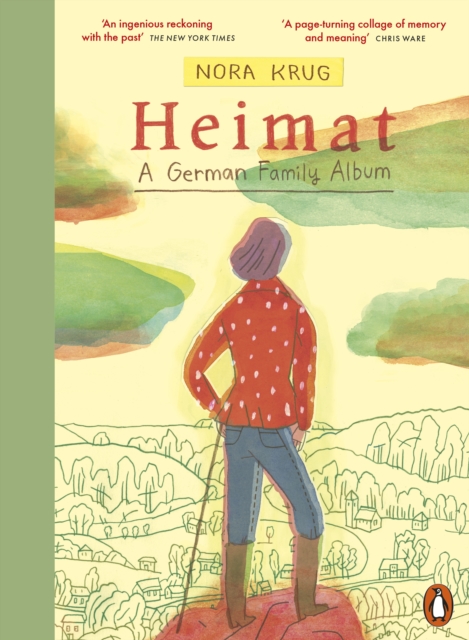
The German bestseller - a powerful and deeply affecting graphic memoir that explores identity, guilt and the meaning of home *WINNER of the The National Book Critics Circle Award for Autobiography*One of the Guardian's '50 Biggest Books of Autumn 2018'The New York Times Critics' Top Books of 2018Nora Krug grew up as a second-generation German after the end of the Second World War, struggling with a profound ambivalence towards her country's recent past.
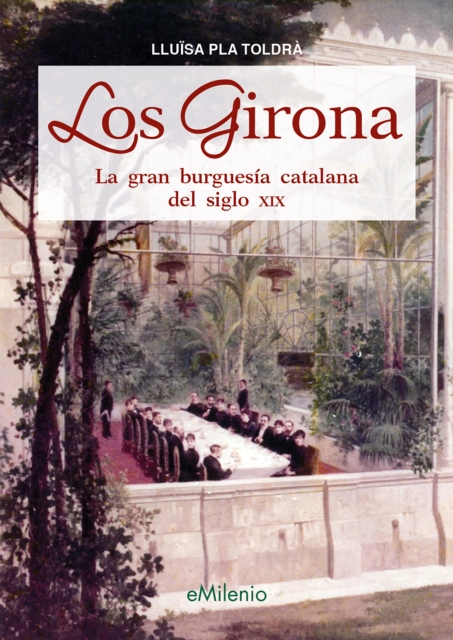
El libro de Lluïsa Pla sigue atentamente la progresión de más decuatro generaciones de la familia Girona () un siglo y medio deuna etapa capital de la historia de Cataluña y Europa: la del clímaxde la primera revolución industrial.
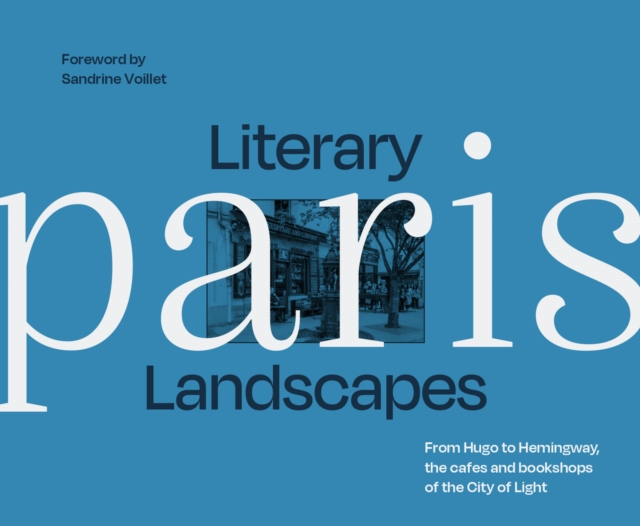
From Feydeau to Fitzgerald, from Hugo to Hemingway, the Paris locations that have influenced modern literatureA photographic stroll around the bookshops, famous literary restaurants and storied streets of Europe's favourite tourist destinationLiterary Landscapes: Paris takes this major European city and with picture perfect photography, compiles an album of memorable views linked to the words of Parisian authors, or writers who made Paris their home.
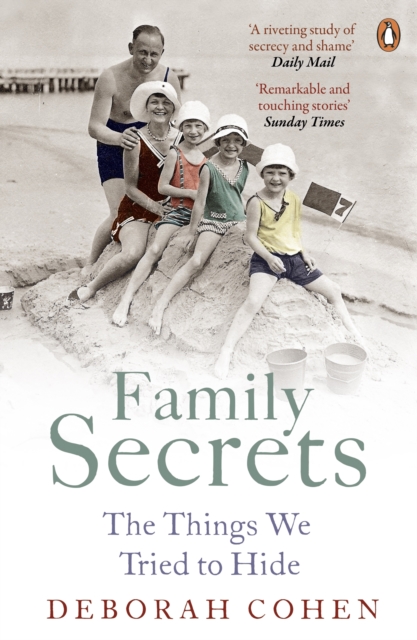
A Sunday Telegraph and Times Higher Education 'Book of the Week', Deborah Cohen's Family Secrets is a gripping book about what families - Victorian and modern - try to hide, and why.
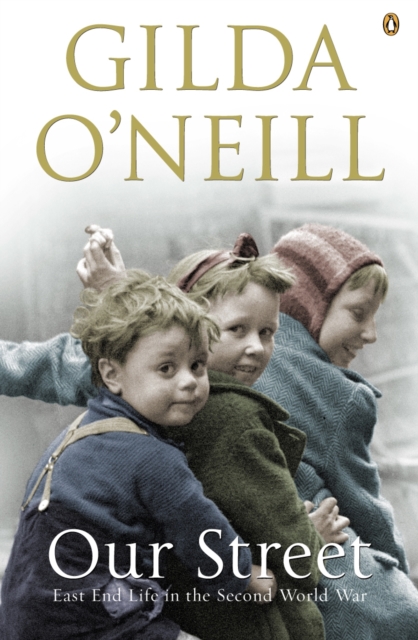
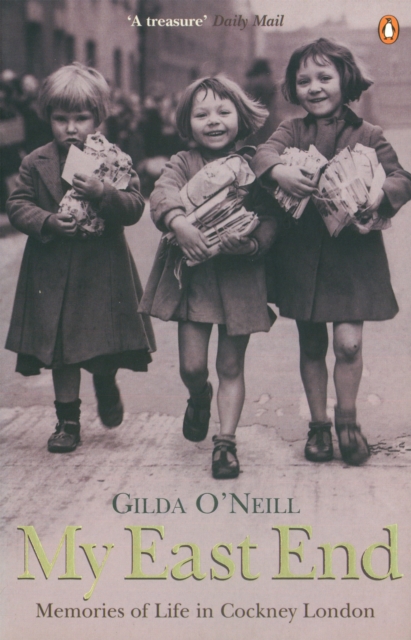
Step into the everyday lives of East End Londoners during the Second World War 'I wanted to write about a time and a place when living in such a street - or rather a community - would have been part of so-called ordinary working people's everyday experience, but when the circumstances couldn't exactly be described as normal.
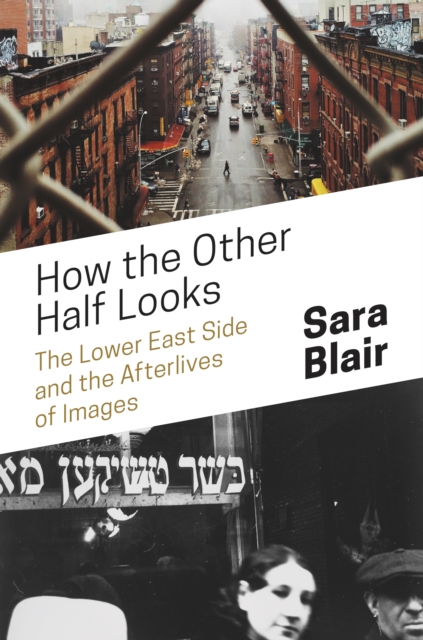
How New York's Lower East Side inspired new ways of seeing AmericaNew York City's Lower East Side, long viewed as the space of what Jacob Riis notoriously called the "e;other half,"e; was also a crucible for experimentation in photography, film, literature, and visual technologies.
An in-depth examination of the economic and social transition from slavery to capitalism during ReconstructionAt the center of the upheavals brought by emancipation in the American South was the economic and social transition from slavery to modern capitalism.
How high energy consumption transformed postwar Phoenix and deepened inequalities in the American SouthwestIn 1940, Phoenix was a small, agricultural city of sixty-five thousand, and the Navajo Reservation was an open landscape of scattered sheepherders.
In 1884, twenty-three-year-old Corabelle Fellows left her family in Washington, DC, and journeyed out West to teach Native children in Nebraska and Dakota Territory.
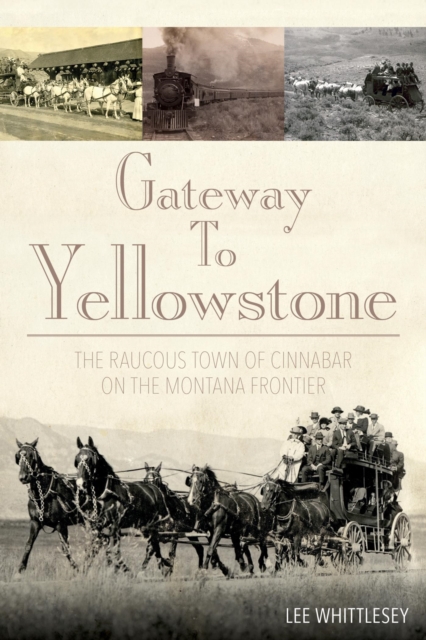
By 1883 when the rail lines of the Northern Pacific reached the tiny town of Cinnabar, Montana Territory, newspaper and magazine stories of the wonders to be found in Yellowstone National Park had been firing the imaginations of eager potential visitors around the world for a decade.