Having been granted city status during the Golden Jubilee celebrations in 2002, Stirling is Scotland's smallest city, with an enthralling wealth of architectural heritage and history that would be the envy of much larger places in the country.
St Albans has a long and fascinating history from its pre-Roman settlement as Verlamion, through the Roman municipium of Verulamium, the Benedictine monastery dedicated to Alban, the first British Christian martyr, to the charter borough and market created by Edward VI in 1553 and the city designated by royal edict in 1877.
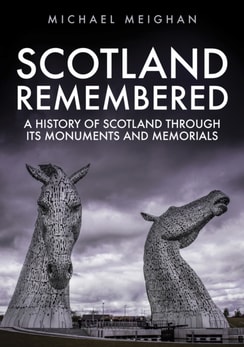
Scotland boasts a huge variety of landscapes, from spectacular mountain and moorland scenery, beautiful lochs, remote islands and wonderful coastline, to its cultural heritage stretching back through the centuries from medieval times and earlier, its unspoilt towns and villages, through the impact of the Industrial Revolution to its dynamic cities of today.
Chesterfield is famous worldwide for the crooked spire of the medieval Church of St Mary and All Saints, which is visible for miles around and has become a symbol of the town, but there is much more to explore in this historic Derbyshire town.
The East Sussex seaside resort of Eastbourne, at the end of the South Downs alongside the famous Beachy Head, is largely a creation of the Victorian and Edwardian eras.
The ancient Suffolk market town of Beccles has a history of more than a thousand years, which saw it flourish as one of the principal trading communities in the county.
Situated in the south-west of Ireland, the port city of Cork is right on the very edge of Western Europe and has always been open to influences from Europe and the wider world.
Historically part of Lancashire, Bury grew rapidly during the Industrial Revolution as a mill town producing textiles alongside many other expanding towns in the area and now lies within Greater Manchester.
Northallerton is the county town of North Yorkshire, and its location - situated in James Herriot Country and between the two national parks of the North Yorkshire Moors and the Yorkshire Dales - makes it a popular destination for visitors.
Its farming and fishing industries yield an impressive harvest of ingredients, so it is no surprise to discover that Sussex also boasts a rich culinary heritage.
The city of Portsmouth, on the Hampshire coast, has been an important naval base for centuries and is still home to much of the Royal Navy's fleet today.
Famous as the home of the British Army, the small village of Aldershot in the north-east corner of Hampshire grew rapidly around the garrison that was established on the heath there for the British Army during the Crimean War in 1854.
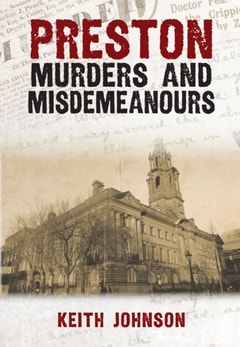
A Preston Chronicle newspaper headline in 1866 of 'Thievery, Knavery & Harlotry in Preston' described a town struggling with crime and its consequences.
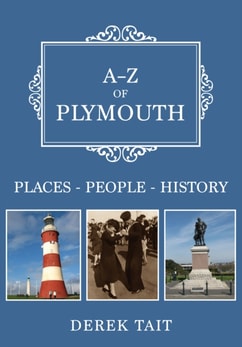
Plymouth is steeped in history, from the prehistoric remains discovered at Cattedown, the Bronze Age trading settlement at Mount Batten and the Roman burial grounds at Stonehouse to the Pilgrim Fathers' departure from the Mayflower Steps, the hard-fought battles of the Civil War and the Blitz during the Second World War.
With a coastline that stretches from Plymouth to Seaton, three Areas of Outstanding Natural Beauty and the Dartmoor National Park, South Devon is a region that has an enviable selection of scenic treasures and cherished destinations.
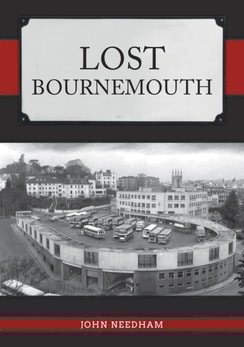
Since it was founded in 1810 by Lewis Tregonwell, the Dorset resort of Bournemouth has developed to become a favourite destination for holidaymakers across the decades.
Though there were airfields in Shropshire during the First World War, at Shawbury, Tern Hill and Monkmoor, it was in the late 1930s that a massive building programme began to dot the county with new RAF airfields, mostly for training purposes, until there were over sixteen - in some cases they were so close together that their circuits overlapped.
Today, Bournemouth is one of the favourite resorts on the south coast, but until the early nineteenth century, the area was just heathland where cattle grazed.
This book brings to life a selection of the most notorious, and grimmest, murders and other crimes in and around Liverpool from the eighteenth, nineteenth, and early twentieth centuries.