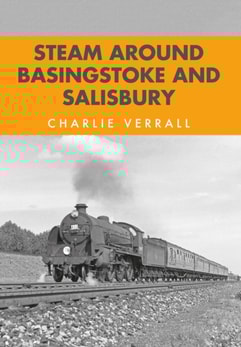
Basingstoke and Salisbury are important rail centres on what was originally the London & South Western Railway, and later the Southern Railway and finally the South Western Section of the Southern Region.
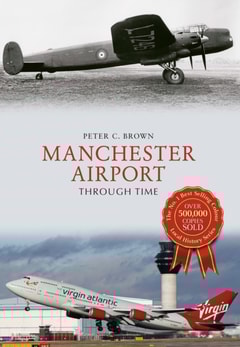
Manchester Airport (EGCC) is a Category 10 international passenger airport located in Lancashire, UK, comprising three passenger terminals and a world freight terminal.
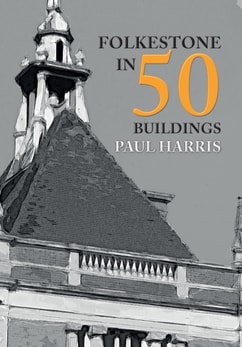
From its heyday as a Victorian seaside resort to its role as a major departure and arrival point for cross-channel travel, Folkestone has a proud and distinctive identity.
The quiet city of Lancaster may no longer be as well known as it was in the past, but delve a little deeper and you will come across an exciting story, two millennia in the making.
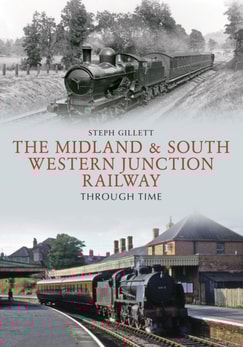
The Midland & South Western Junction Railway was formed in 1884 by amalgamation of the Swindon, Marlborough & Andover and the Swindon & Cheltenham Extension railways.
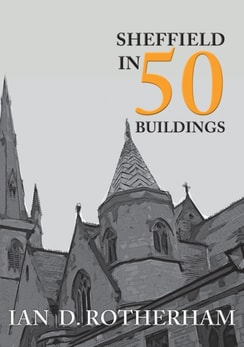
From the time when it was a major producer of high-quality steel and internationally renowned for its cutlery, through decline and recession in the twentieth century, to its twenty-first-century reinvention and revival as a vibrant developing centre of retail and commerce, Sheffield has a proud and distinctive identity.
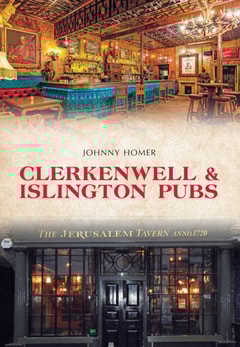
Clerkenwell and Islington are two of London's most historic districts; areas where radicalism once thrived and heavy industry flourished, and where poverty and lawlessness were commonplace.
The South Wales town of Newport, on the River Usk, was a powerhouse of Britain's Industrial Revolution; social change, characterised by the Chartist movement and new technologies built from steel and powered by coal, combined to create a new way of life.
The Brady Street and Alderney Road cemeteries are among the oldest Jewish burial grounds in the UK, dating back to the arrival of the Jewish immigrants in the time of Oliver Cromwell.
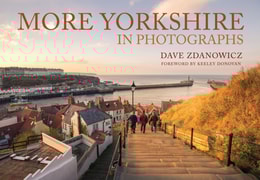
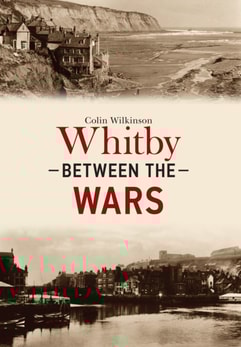
Whitby is an ancient coastal town in North Yorkshire built around the mouth of the River Esk, and today it is a popular holiday resort attracting visitors wanting to sample the beach, fish and chips, the steam railway, festivals, coastal and moorland walks, and the town's regattas.
The Peak District is a land of high moors and narrow gorges, dark gritstone edges and white limestone cliffs, bleak plateaux and lush valleys, fine churches and grand country houses, stone-built villages and spa towns.
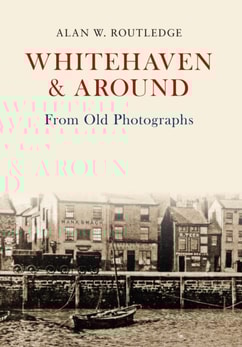
Whitehaven & Around From Old Photographs contains a collection of never-before-seen vintage photographs from the town and surrounding areas, collected together into one volume and spanning Whitehaven's heyday as a mining and shipbuilding town.
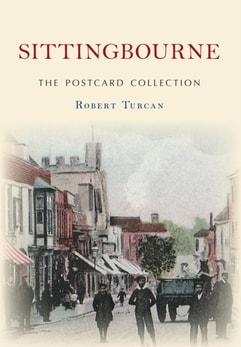
Sittingbourne's steady growth from mid-Victorian times began with the construction of a railway line linking London to east Kent port, bisecting the town.
Norwich is not only one of the most attractive cities in England, it is also one of the most historically significant, with a proud heritage dating all the way back to the Iceni, who bravely fought the Roman invasion.
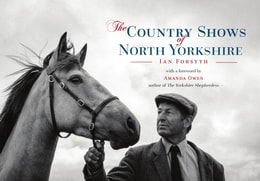
The Country Shows of North Yorkshire tells the story of some of the shows held around this region in a set of striking black-and-white images from documentary photographer Ian Forsyth.
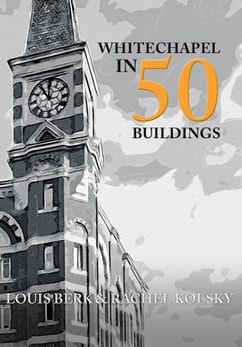
Do you want to discover where Lenin, Stalin and Trotsky attended the London Congress of the future Communist party of Russia, or visit a rural idyll at the heart of Whitechapel?
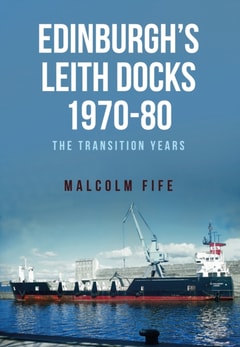
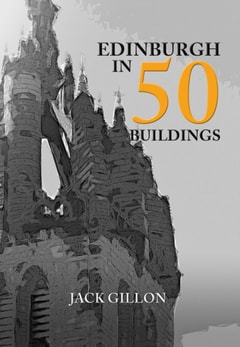
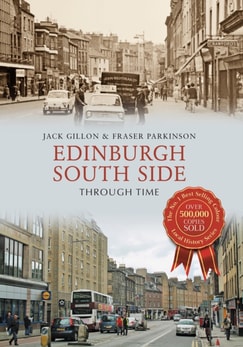
From its founding as a Royal Burgh in the twelfth century and through its growth and development as an internationally renowned hotbed of science, education, literature and culture, to its current status as home of the Scottish Parliament and the largest financial centre in the UK outside London, Edinburgh has a proud and distinctive identity.
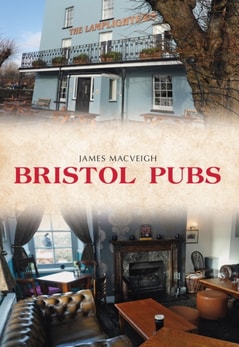
Ever since it was the starting point for voyages of discovery to the New World, the old port of Bristol has boasted a wealth of taverns, inns, alehouses, and public houses.
It's a journey through historical and social events that have shaped a county and made a significant impact locally, nationally and, in some instances, internationally.
Yorkshire has been at the heart of English history for over 2,000 years and has been shaped by Roman and Viking invaders, the conflict of the Wars of the Roses and the English Civil Wars.