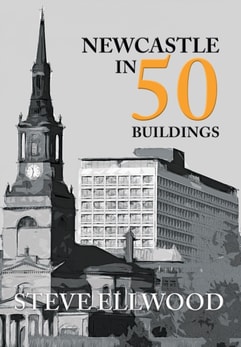
Newcastle in 50 Buildings takes us on a journey through the city's proud architectural heritage, from its earliest existing building - the twelfth-century Norman castle which gives the city its name - through medieval religious institutions and Jacobean buildings on the Quayside to the Georgian-era houses and shops - often referred to as 'Tyneside Classical' - built by the famed developer Richard Grainger.
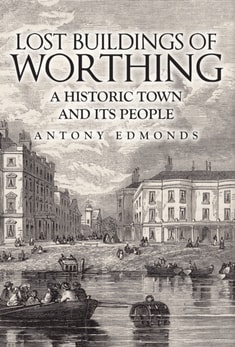
Demolition and redevelopment over the past seventy-five years have done great damage to Worthing, and relatively few of the town's historic buildings survive.
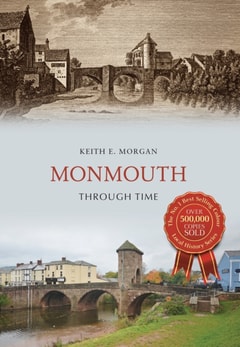
Monmouth (Welsh: Trefynwy - 'town on the Monnow'), is a traditional county town in Monmouthshire, Wales, and is located on the confluence of the River Monnow and River Wye.
From its birth as a settlement at the lowest crossing point of the River Taff, via periods a Roman garrison, Anglo-Norman fortress, feudal lordship, booming coal port and post-industrial invalid, through to today's confident capital of a fledgling Welsh democracy, Cardiff has accrued layer upon layer of fascinating history.
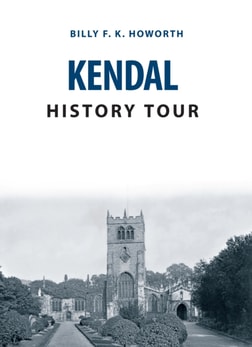
From the popular Abbot Hall and Kendal Parish Church, to the maze of streets, yards and hidden history, Billy Howorth takes you on a tour of Kendal, explaining the history behind some of the famous landmarks in this historic town.
Glasgow has a long and rich history and the buildings housed within this architecturally impressive city tell its tale accordingly, from its sixth-century origins, to its current role as a vibrant and cosmopolitan centre of new industry and education.
The story of Hartlepool is, of course, the story of three towns: the ancient Hartlepool clustered around the Headland, the thriving new Victorian town of West Hartlepool and the amalgamated Hartlepool comprising old and West Hartlepool.
Bicester History Tour is a unique insight into the illustrious history of this famous Oxfordshire town, its well-known streets and famous places, and explains what they meant to local people throughout the nineteenth and into the twentieth century.
This companion volume to the author's successful Sussex Railway Stations Through Time focuses in vivid detail on the stations located within the densely populated county of Surrey, an area largely unaffected by the drastic cuts of the 1950s and 1960s.
'Gloucestershire is a poor county for real ale': that was the sad assessment of the county's brewing heritage in the 1976 Good Beer Guide according to the Campaign For Real Ale.
Kent's military heritage is well known because of popular tourist attractions such as Dover Castle or Chatham Dockyard, but there are also many lesser-known sites dotted around the county, each with their own story to tell.
Brighton & Hove in 50 Buildings is an exciting new look at one of Britain's most famous and influential cities, telling the story of this 'city of sin' and 'Queen of watering places'.
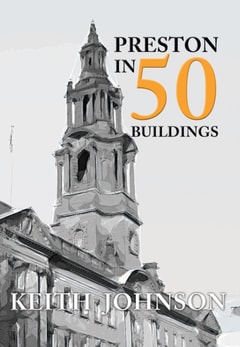
From its heyday as a boom town of the Industrial Revolution when the town grew and developed rapidly as a major textile manufacturing centre, through its twentieth-century decline, to its current status as a city and administrative centre for the county of Lancashire, Preston has had a proud and distinctive identity.
The historic East Sussex town of Rye has been an important place since medieval times when it was a member of the Confederation of Cinque Ports, a series of Kent and Sussex coastal towns formed for military and trade purposes.
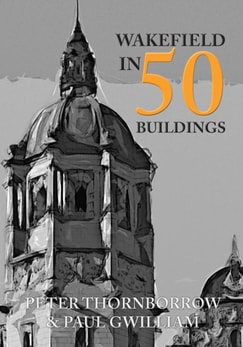
From its status as a major coal mining centre in the nineteenth and twentieth centuries and today the home of the National Coal Mining Museum at Caphouse Colliery that retains England's last deep coal mine, to its current role as the capital of Yorkshire's so-called 'Rhubarb Triangle', Wakefield has a proud and distinctive identity.
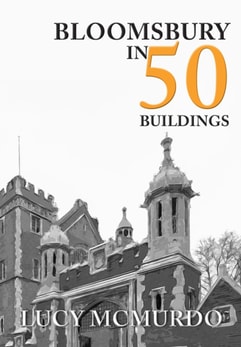
Filled with academic, cultural and medical institutions as well as elegant Georgian terraces and leafy open spaces, Bloomsbury is one of central London's most appealing districts.
From its heyday in the nineteenth century as a major centre of wiremaking, textiles, chemical production and brewing, through to its subesquent reinvention as a new town in the late 1960s, Warrington has a proud and distinctive identity.
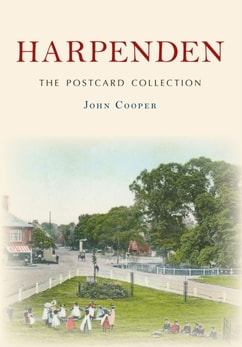
Harpenden: The Postcard Collection depicts a vibrant selection of over 170 images captured during the first half of the twentieth century by a small but dedicated group of photographers, who recorded for posterity the copious views of this picturesque village and the immediate surrounding area.
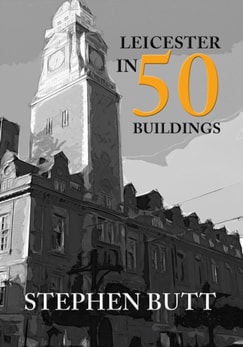
From its origins as a major Roman settlement to its current status as one of the most ethnically diverse cities in the UK, Leicester has a proud and distinctive identity.