From its status as the world's first industrialised city, through late twentieth-century decline and subsequent regeneration and rebirth as the 'Second City of the UK', Manchester has a proud and distinctive identity.
Opened on 17 July 1761, the canal has a special place in history as the first to be built in Britain without following an existing watercourse, and so became a model for those that followed.
From Victorian manufacturing town, famous for the 'three Bs' - beer, bulbs and biscuits - to its current status as a major centre for service industries and cutting-edge technology, Reading has a proud and distinctive identity.
Mansfield Through Time offers a cameo glimpse of a town whose character and identity has, over the last few hundred years, been moulded, modified and tempered by coal mining and the Industrial Revolution.
The ancient city of Bath in Somerset grew up around hot springs on the River Avon, where the Romans founded baths at the location they named Aquae Sulis, the magnificent buildings of which still stand today.
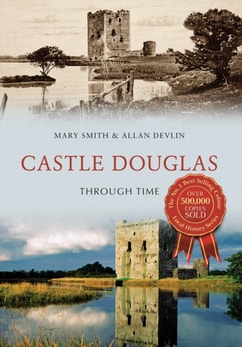
The market town of Castle Douglas, beside Carlingwark Loch in the southern Scottish region of Dumfries and Galloway, is relatively new, though the area has been inhabited from prehistoric times and the Romans had a military base close by.
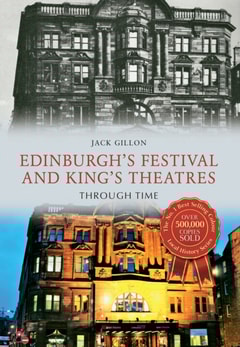
Scotland's capital, one of Europe's most beautiful cities, has long been a magnet for visitors who come here in their droves to witness its spectacular setting and unique atmosphere, especially in July and August when it plays host to the world's biggest arts festival.
The municipal borough of Ilford, in north-east London, grew from a sleepy Essex backwater in the seventeenth century to become a major coaching town, thanks to its strategic position on the London-Colchester road.
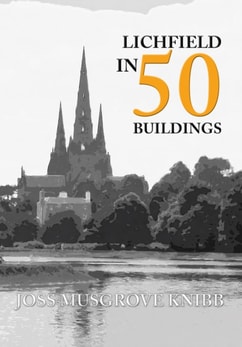
From the third quarter of the seventh century when St Chad wandered into a watery valley in the heart of the Kingdom of Mercia to the Black Death, the English Civil War and the days of the Enlightenment when it was home to great minds such as Samuel Johnson and Erasmus Darwin, Lichfield has a proud and distinctive identity.
From the founding of St Frideswide's nunnery in the sixth century and the emergence of its university in the late twelfth century - the first in the English-speaking world - through its growth and development as one of the country's leading centres of education, science, publishing and motor manufacturing, to its current status as one of the fastest growing and ethnically diverse cities in the UK, Oxford has a proud and distinctive identity.
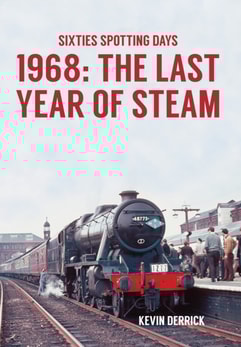
1968: The Last Year of Steam is a photographic album in full colour, depicting this important year with month-by-month coverage of over thirty-five different kinds of locomotives as British Railways phased the last steam locomotives out of use.
Sixties Spotting Days Around London & the Home Counties is a full-colour photographic album, depicting the capital's once-great terminus stations and engine sheds throughout the 1960s and covering the variety of locomotive types from that great period of change on our railways.
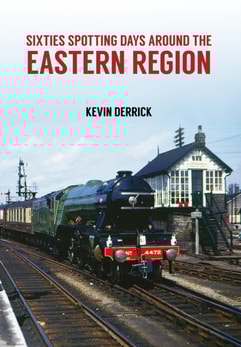
Sixties Spotting Days Around the Eastern Region offers striking colour photographs depicting the 1960s with coverage of the steam, diesel and electric locomotives from that great period of change on our railways.
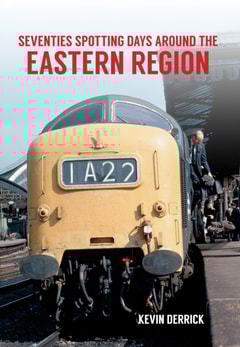
Seventies Spotting Days Around the Eastern Region is a full-colour photographic album, depicting the 1970s, with coverage of both diesel and electrics from that great period of change on our railways.
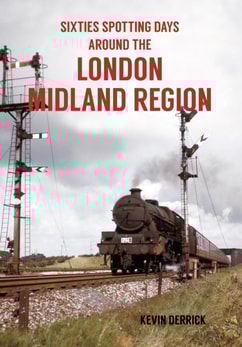
Sixties Spotting Days Around the London Midland Region is a photographic album depicting the 1960s with coverage of steam, diesel and electric traction from that great period of change on our railways.
Seventies Spotting Days Around the London Midland Region is a full-colour photographic album depicting the 1970s with coverage of both diesel and electric traction from that great period of change on our railways.
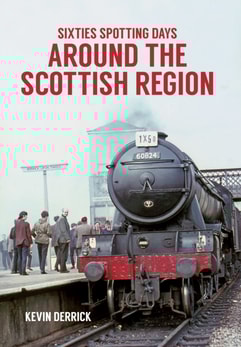
Sixties Spotting Days Around the Scottish Region is a photographic album in full colour, depicting the 1960s with coverage of both steam locomotives and the new traction that was taking over during that great period of change on our railways.
Seventies Spotting Days Around the Scottish Region is a full-colour photographic album, depicting the 1970s with coverage of both diesel and electrics from that great period of change on our railways.
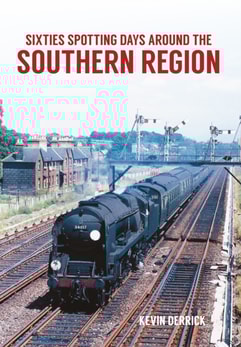
Sixties Spotting Days Around the Southern Region is a photographic album in full colour, depicting the 1960s with coverage of both steam locomotives and the new traction that was taking over during that great period of change on our railways.
Seventies Spotting Days Around the Southern Region is a full-colour photographic album depicting the 1970s with coverage of both diesel and electric traction from that great period of change on our railways.
Seventies Spotting Days in the Western Region is a full-colour photographic album depicting the 1970s with coverage of both diesel-electric and diesel-hydraulics from that great period of change on our railways.
Seventies Spotting Days: Chasing the Westerns is a full-colour photographic album, depicting the final few years of the Class 52 Westerns from 1974 to the latter 1970s.
In these days of ubiquitous, non-stop media and information you would think that there were few secrets anywhere left to reveal, but when it comes to Chatham there remain a surprising number of facts and idiosyncrasies that, over the years, have remained obscure.
Bolton has its roots in Lancashire where it was established as a textile town from the Middle Ages, but it was during the Industrial Revolution that it grew to become one of the major cotton manufacturing centres of the world.
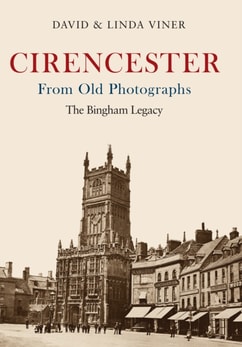
Today Cirencester is an attractive market town at the heart of the Cotswolds, and has been a thriving place since Roman times when as Corinium it was a regional capital.
The seaside town of Bexhill-on-Sea in East Sussex is famous for its modernist 1930s De La Warr Pavilion but has a wealth of other fascinating stories connected with its history.
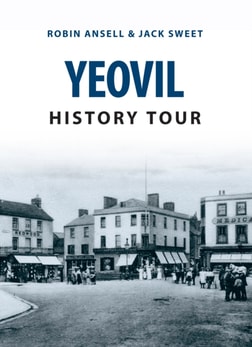
Daniel Vickery, the editor of the Western Flying Post, wrote in A Sketch of the Town of Yeovil (1856) that 'The town is surrounded on the South East by three remarkable hills - Babylonhill, Windmill-hill [Wyndham Hill], and Newton-hill.
Yarmouth & Gorleston History Tour is a unique insight into the illustrious history of these two Norfolk towns, both now part of Great Yarmouth, which face each other across the River Yare.