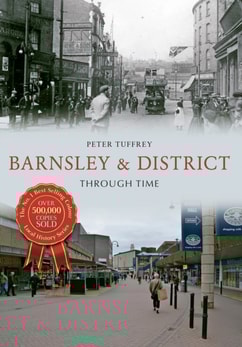
The South Yorkshire town of Barnsley first described as 'Berneslai' in the Domesday Book has an illustrious history and has long been associated with the glass-making and coal-mining industries.
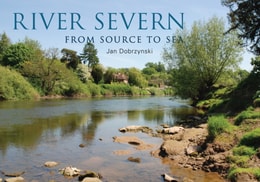
From a water-laden bog in the Cambrian Mountains of Wales to the mighty Bristol Channel, the River Severn carves its way through some of the most picturesque and varied landscapes in the country.
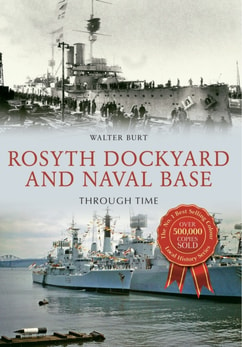
With the coming of the naval arms race with Germany, in 1903 the Admiralty decided to establish a naval base and dockyard at Rosyth, taking advantage of deep tidal water there.
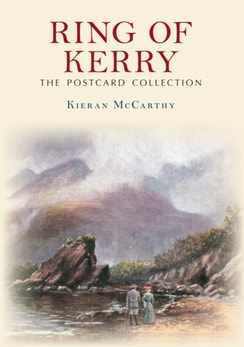
One of the most famous and popular road circuits for tourists in the southwest of Ireland, the Ring of Kerry traverses the coastline of the Iveragh Peninsula, with a great many tourist sites along the way from Killarney's lakes to Waterville's coast.
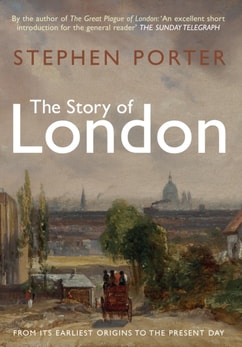
From its foundation by the Romans in the middle of the first century and its revival under Alfred the Great in the late ninth century, London grew and flourished.
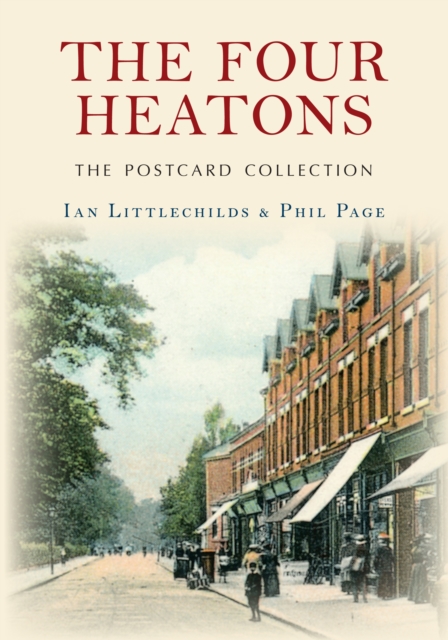
Situated a few miles to the south of Manchester City Centre, the Four Heatons have always been popular residential suburbs for families wishing to swap the industrial clamour of the inner city for fresh air and fine views across open spaces to the Pennines and the Cheshire Plain.
With over 14 million visitors each year, you may think it's odd to describe Cumbria as undiscovered, but the reality is the majority of those 14 million visitors return time and again to the same, well-trodden spots.
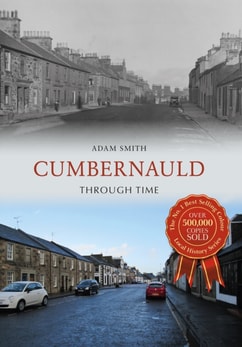
Cumbernauld boasts a rich and varied history, from the nearby Antonine Wall through formation of the historic village and the reign of Cumbernauld Castle, to the construction of Cumbernauld House in the mid-eighteenth century.
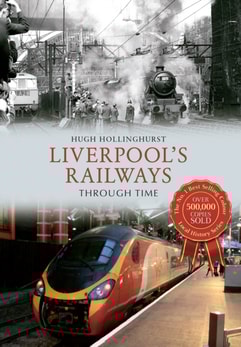
Liverpool has many railway 'firsts' in the world: an inter-city service, an electrified overhead railway, a large-scale marshalling yard, a deep-level suburban tunnel and one under a tidal estuary.
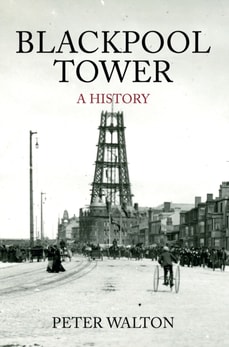
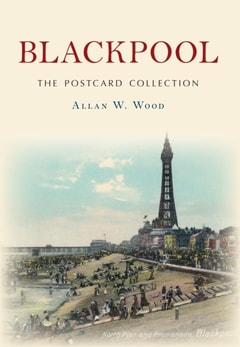
Blackpool's rise to prominence as the 'archetypal British seaside resort' began when the railway was built in the 1840s, opening the town up to the industrial north.
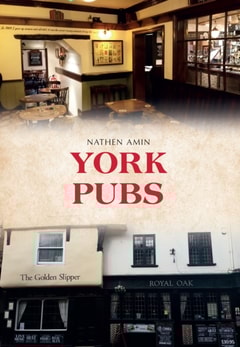
York is the second-most visited city in the UK, attracting millions of visitors from all across the world who are spellbound by the city's medieval churches, quaint snickelways and its plentiful pubs.
Rose's realisation that she knows almost nothing about the people and places she has encountered every day for years will be a familiar one for city dwellers all over Britain.
While the first public passenger-carrying railway operated between Liverpool and Manchester from 1830, it was the construction of the Grand Junction and London & Birmingham that created the first long-distance, inter-city route from 1838.
The Chester & Holyhead Railway was incorporated by an Act of Parliament in 1844, and the promoters were thereby empowered to build an 85-mile line along the North Wales coast, the engineer for the line being Robert Stephenson.
The Manchester & Leeds Railway was sanctioned by Parliament in 1836 as a railway commencing at Manchester and terminating at Normanton, from where trains would reach Leeds via the North Midland Railway.
The obvious success of the Liverpool & Manchester Railway demonstrated that steam railways were a safe, fast and efficient form of transport, and by the end of the 1830s ambitious entrepreneurs were planning a multiplicity of railways up, down and across the land.
LEEDS to CARLISLE - The line from Leeds to Carlisle furnished the Midland Railway with an independent route to Scotland, in opposition to the rival London & North Western line.
Nestled under the Garleton Hills on the banks of the River Tyne, the Royal Burgh of Haddington, East Lothian, was established in the twelfth century to provide trade and industry in one of Scotland's richest agricultural counties.
Disruption, delays, travel chaos, fierce debate and financial woe have been regular newspaper headlines since Edinburgh announced plans to bring back trams.
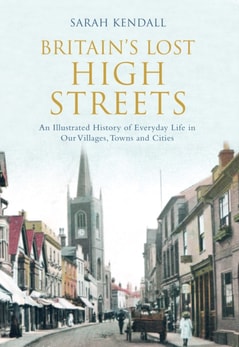
The British high street has always formed an integral part of our villages, towns and cities; for centuries, it has been at the centre of our everyday lives.
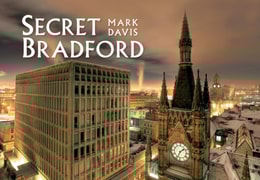
As you walk around Bradford it is not difficult to spot the rich Victorian architecture, a legacy from the time when Bradford quite literally controlled the world's worsted cloth industry and was known as Worstedopolis.
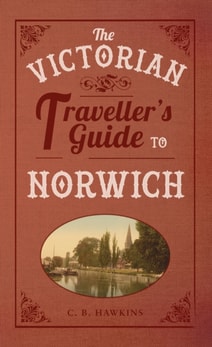
Before Lonely Planet, this book was the essential accompaniment to any Victorian gentleman or lady's trip to one of the foremost cities of the United Kingdom.
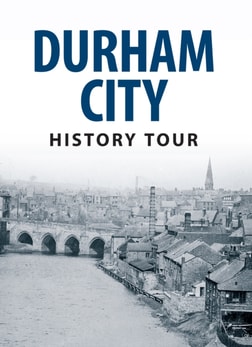
Durham City is one of the North East's hidden gems, rich in history with its Norman cathedral and castle, built on a rocky peninsula and surrounded on three sides by the River Wear.
Before Lonely Planet, this book was the essential accompaniment to any Victorian gentleman or lady's trip to one of the foremost cities of the United Kingdom.
Before Lonely Planet, this book was the essential accompaniment to any Victorian gentleman or lady's trip to one of the foremost cities of the United Kingdom.