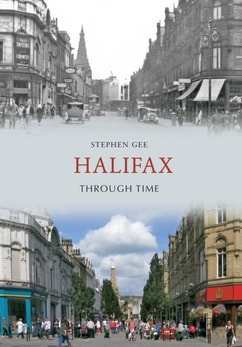
The town of Halifax is full of magnificent buildings designed by famous architects such as Sir Charles Barry, John Carr, Sir George Gilbert Scott and other buildings designed by the town's own talented architects.
The former shipbuilding centres of Greenock and Gourock sit on the coastal strip, offering breathtaking views north to the Argyll Hills and Scottish Highlands.
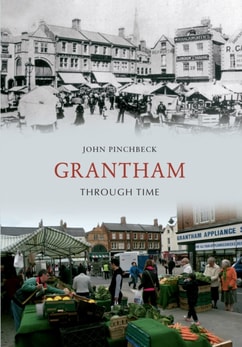
The last 150 years have seen great changes in Grantham and the neighbouring villages of Belton, Barrowby, Bottesford, Denton and Harlaxton, with the loss of buildings, landscapes and institutions that had previously endured for hundreds of years.
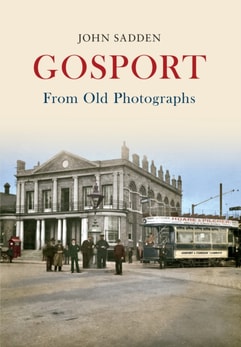
This fascinating book brings together over 300 photographs of Gosport and Lee-on-the-Solent that date from the late Victorian period to more recent times.
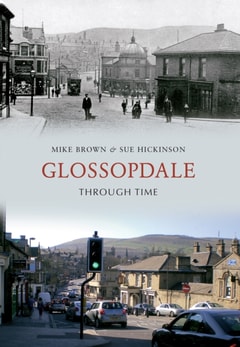
Glossop's existence as a village, manor, dale, township and borough is recorded since the eleventh century, although 'Glotts Hop' is named somewhat earlier.
Regarded by many as the most haunted city in the world; York has over 500 individual spirits and is therefore the perfect destination for five paranormal investigators from Newcastle gathering evidence to answer a question as old as time: Do ghosts actually exist?
Ghost Taverns is a fascinating, in-depth look at some of the north of England's most haunted public houses and the spectres that are said to reside in them.
In the 1950s, Britain's waterways were still full of commercial traffic and lined with the mills, factories and ports of a then-leading industrial nation.
Frodsham and Helsby lie comfortably between the lovely Cheshire countryside that once was part of the great Royal Forest of Mara and Mondrem, now Delamere, and the mighty River Mersey.
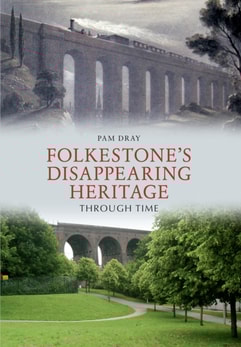
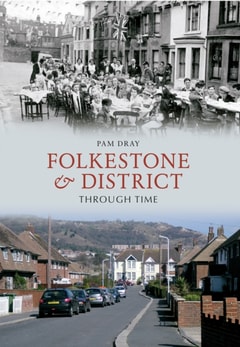
Following on from the successful publication of Folkestone's Disappearing Heritage, Pam Dray has gathered together another fascinating collection of old and new photographs to show how this area has changed over time.
Felixstowe owes its existence to the 19th-century fashion for seaside holidays when the gentry and businessmen chose to build their summer residences in the parishes of Walton and Felixstowe.
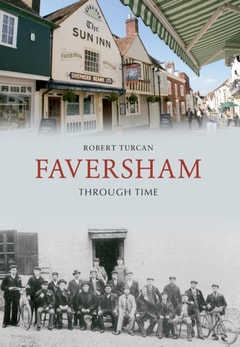
Faversham From Old Photographs offers a captivating glimpse into the history of this beautiful market town, providing the reader with a visual representation of Faversham's colourful and chequered history.
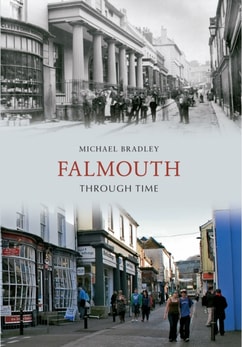
Falmouth, situated on the beautiful River Fal, and with one of the finest natural harbours in the world, developed and prospered to become the base for the famous Packet Service between the seventeenth and nineteenth centuries.
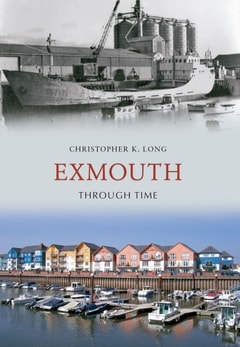
Set in East Devon's Area of Outstanding Natural Beauty and at the mouth of the River Exe, Exmouth is one of the largest seaside towns in Devon, with 2 miles of sandy beach and stunning views over the Exe Estuary and Haldon Hills.
Exe to Otter Through Time is a celebration of the glorious countryside and coastline from the River Exe to the River Otter, inspired by a map from the 1875 Exmouth guidebook entitled Exmouth and its Neighbourhood.
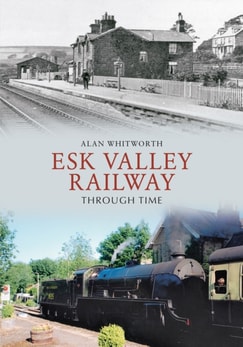
The Esk Valley Railway is certainly one of the best railway journeys in the North of England, and could be considered far more picturesque than the more famed North York Moors Railway.
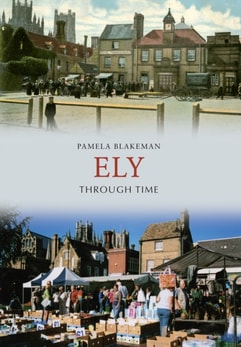
Ely Cathedral, situated on a low hill and visible for miles across the surrounding flat Fen countryside, continues to provide a splendid backdrop to many views of the city as it has done throughout a period of over 800 years.
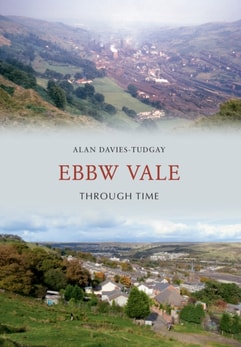
Ebbw Vale's many losses over the past hundred years are celebrated here - collieries, steelworks, cinemas, churches, chapels, post offices, schools, railways, streets, local shops and especially jobs have all disappeared, only to be replaced, in many instances, by new housing estates, bypasses, town redevelopments, schools, car parks, leisure centres, council offices, light industrial sites and out-of-town stores.