Murders in Derbyshire during the eighteenth and nineteenth centuries were not, surprisingly, as numerous as those in other counties in the Midlands region.
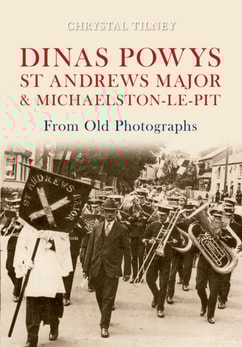
Dinas Powys and the area around it have been continuously inhabited since prehistoric times, and we can still see the remains of a Romano-British homestead, a hill fort and a Norman castle.
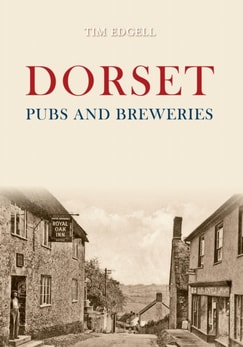
Lavishly illustrated with old photographs, postcards and promotional advertisements Dorset Pubs and Breweries highlights and records the events and changes that have occurred within Dorset's brewing industry.
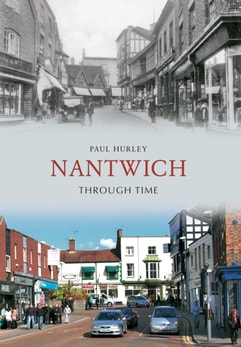
Nantwich occupies a pleasant position on the banks of the River Weaver and at least as far back as the Domesday Book has been one of the most important towns in Cheshire.
The appearance of the town has changed dramatically during the last forty years and it is difficult in many instances to appreciate how it appeared to our forefathers.
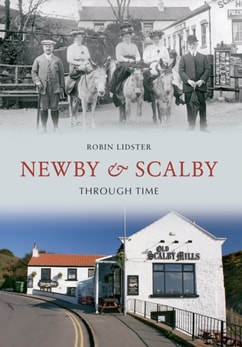
This book illustrates some of the changes in the villages of Newby and Scalby situated on the northern outskirts of Scarborough on the North Yorkshire coast.
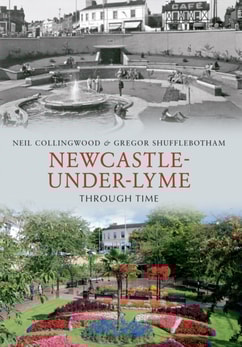
Both the town of Newcastle-under-Lyme and its name almost certainly owe their existence to the building of a 'new' castle there in the mid-twelfth century.
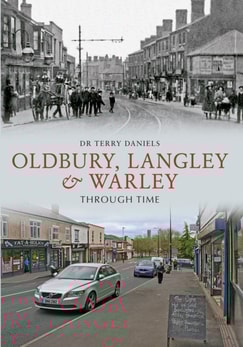
This book tells the story of Oldbury's rise from overcrowded Victorian town to progressive municiple borough, and its absorption into larger local authorities from 1966.
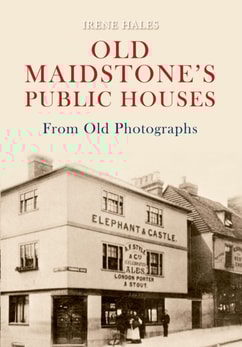
When John Leland, King Henry VIII's antiquary, visited Maidstone in the sixteenth century, he commented that the town was 'full of inns', but if he could have returned three centuries later he would have seen many more.
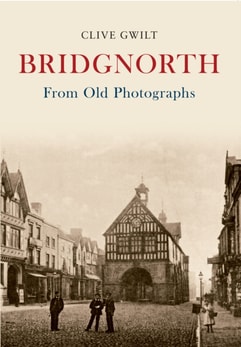
Bridgnorth lies in the south-east corner of Shropshire, separated by a dozen miles of farmland from the Black Country, the same distance from the old carpet town of Kidderminster to the south-east, and only thirty miles from Birmingham.
It has been forcefully argued that if there is one place in Great Britain where an industrialised society first emerged, then that place is Whickham on Tyne, some three miles up-river from Newcastle/ Gateshead.
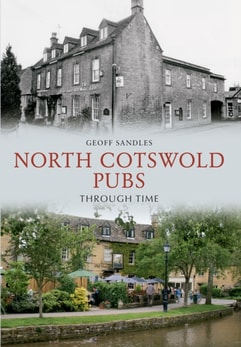
Unlike many areas of the country, which have seen many pubs closing down in recent times, the Gloucestershire Cotswolds has luckily been able to retain most of its picturesque inns, and many of its local breweries and ales.
This captivating collection of past and present images focuses on the land, streets and buildings in the communities of Whitchurch and Llandaff North, capturing the changes that have occurred in the last century.
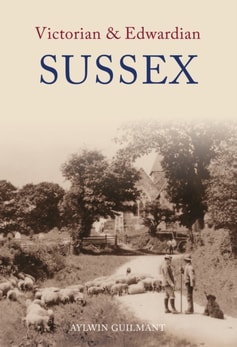
Over one hundred and fifty of the best photographic images from the turn of the twentieth century are reproduced here together with contemporary descriptions of Sussex folk and their lives.
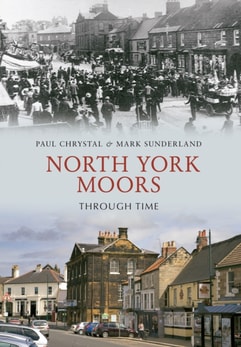
The North Riding of Yorkshire is a fortunate land - favoured by some of the most magnificent scenery in England and with a number of the country's most attractive towns.
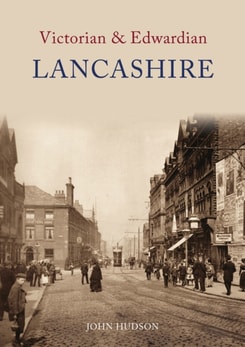
In industrial Lancashire, as in few other English communities, the turn of the twentieth century could be seen as modern times dressed in bowler hats and moustaches.
In Victorian and Edwardian times Hampshire, like most counties of England, was a largely rural county, depending on agriculture for much of its income.
Westward from Stroud the Stonehouse Valley widens out to include Cainscross, Ebley, the Stanleys and then the town of Stonehouse itself before becoming absorbed into the main Severn Vale.