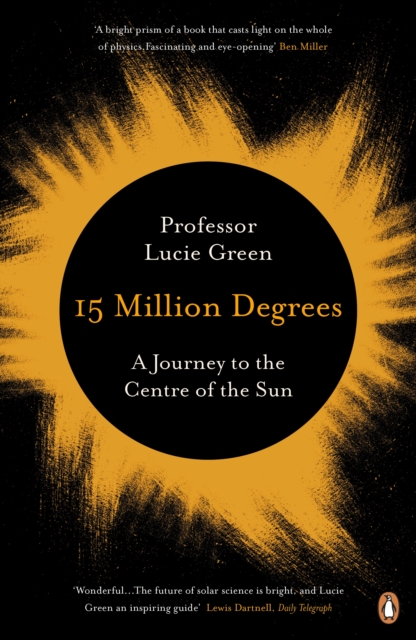
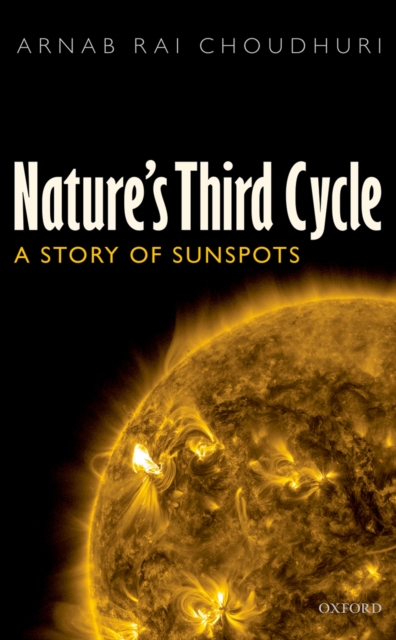
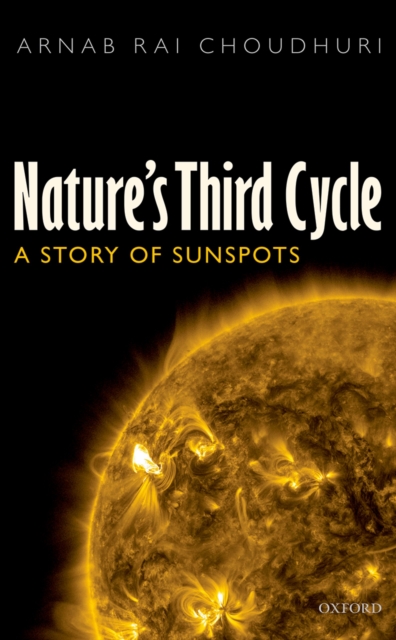
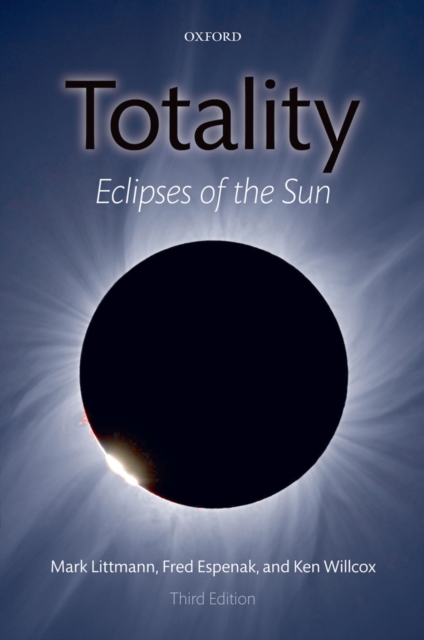
110 times wider than Earth; 15 million degrees at its core; an atmosphere so huge that Earth is actually within it: come and meet the star of our solar systemLight takes eight minutes to reach Earth from the surface of the Sun.
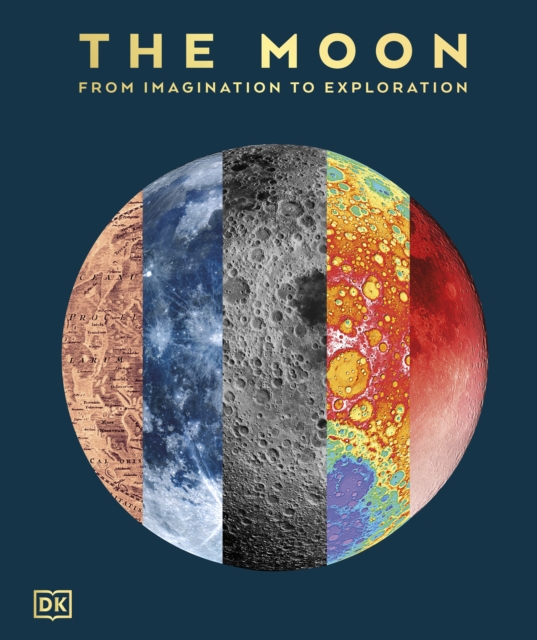
This compelling story of exploration charts and celebrates humankind in space, from Sputnik's launch in 1957 through the Apollo Moon landings and the International Space Station to future missions to Mars and beyond.
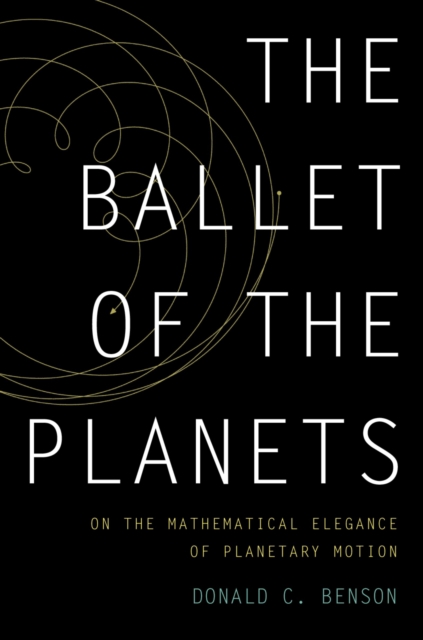
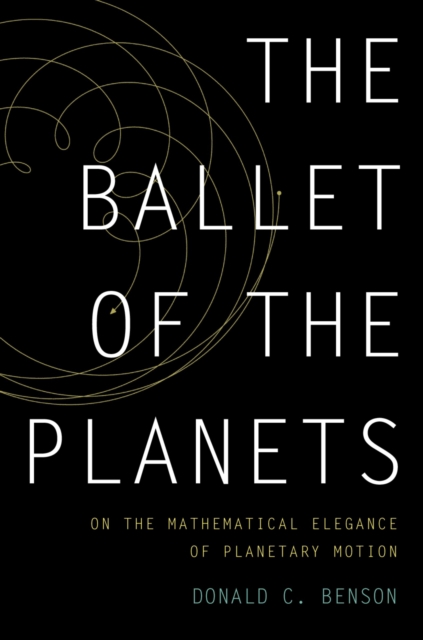
The Ballet of the Planets unravels the beautiful mystery of planetary motion, revealing how our understanding of astronomy evolved from Archimedes and Ptolemy to Copernicus, Kepler, and Newton.
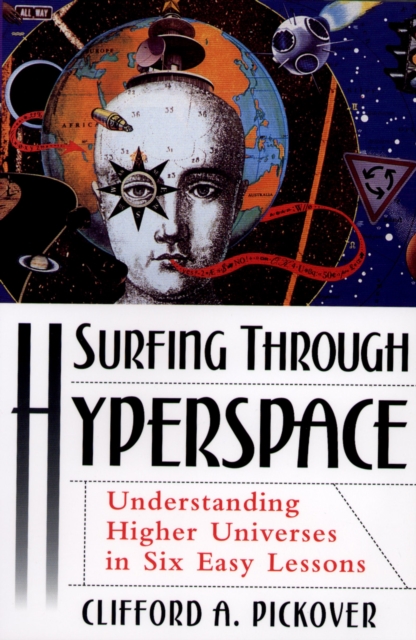
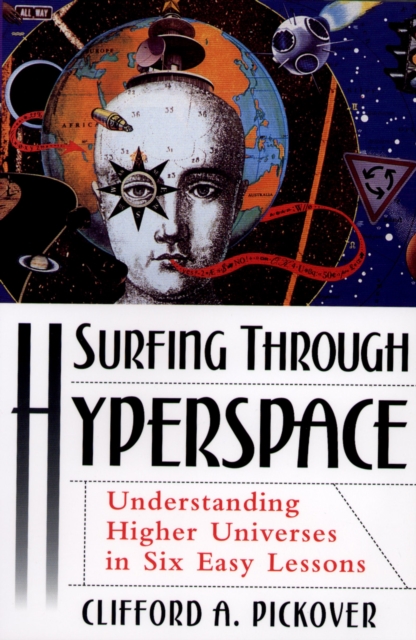
Do a little armchair time-travel, rub elbows with a four-dimensional intelligent life form, or stretch your mind to the furthest corner of an uncharted universe.
The Ballet of the Planets unravels the beautiful mystery of planetary motion, revealing how our understanding of astronomy evolved from Archimedes and Ptolemy to Copernicus, Kepler, and Newton.
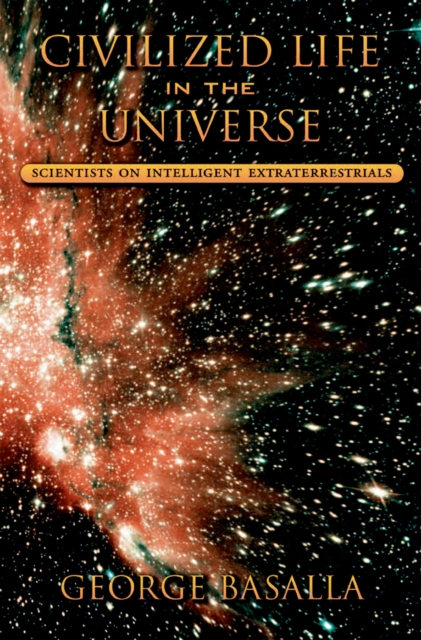
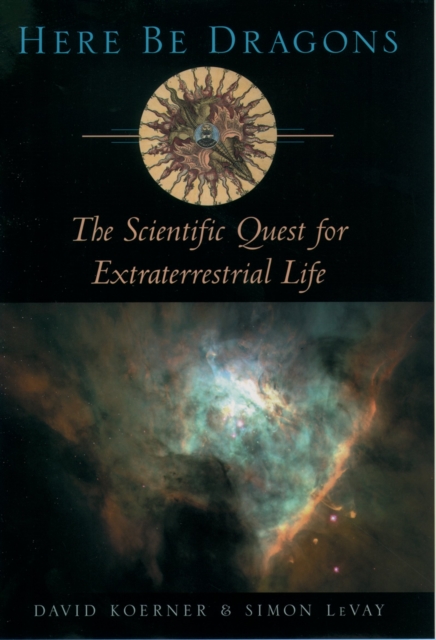
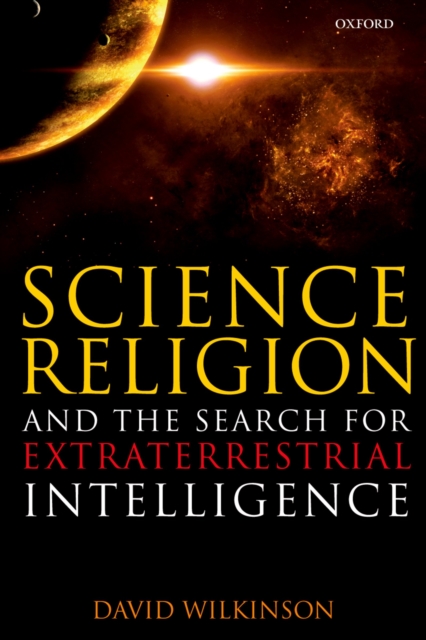
The discovery of life on other planets would be perhaps the most momentous revelation in human history, more disorienting and more profound than either the Copernican or Darwinian revolutions, which knocked the earth from the center of the universe and humankind from its position of lofty self-regard.
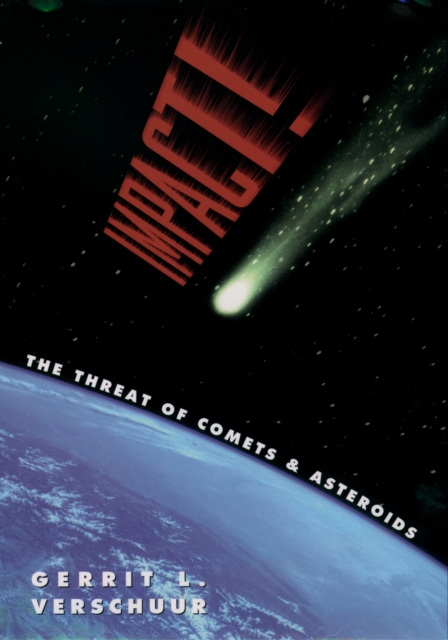
Most scientists now agree that some sixty-five million years ago, an immense comet slammed into the Yucatan, detonating a blast twenty million times more powerful than the largest hydrogen bomb, punching a hole ten miles deep in the earth.
Do a little armchair time-travel, rub elbows with a four-dimensional intelligent life form, or stretch your mind to the furthest corner of an uncharted universe.
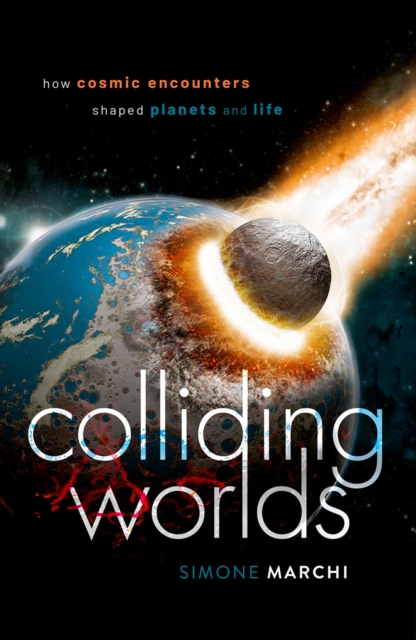
Simone Marchi presents the emerging story of how cosmic collisions shaped both the solar system and our own planet, from the creation of the Moon to influencing the evolution of life on Earth.
Simone Marchi presents the emerging story of how cosmic collisions shaped both the solar system and our own planet, from the creation of the Moon to influencing the evolution of life on Earth.
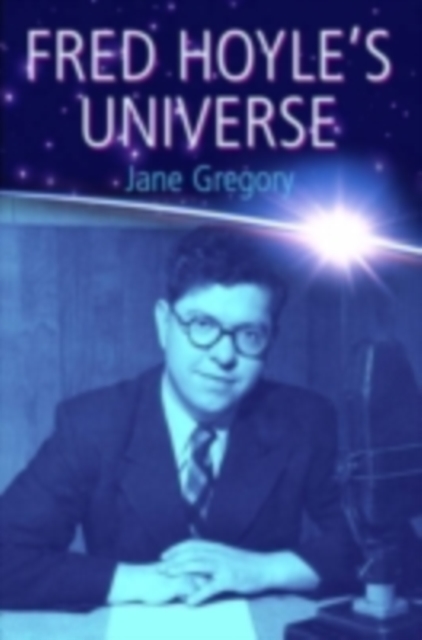
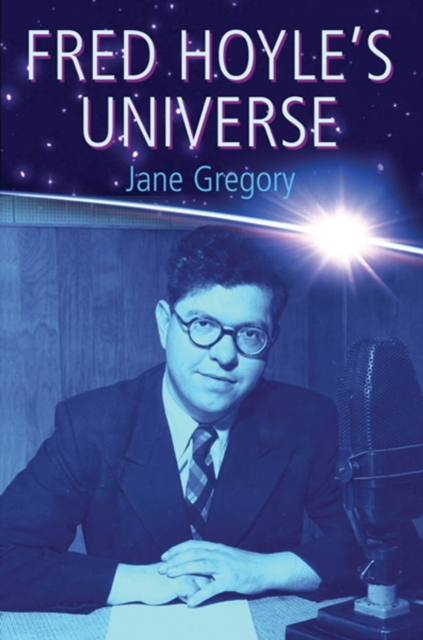
Fred Hoyle was one of the most widely acclaimed and colourful scientists of the twentieth century, a down-to-earth Yorkshireman who combined a brilliant scientific mind with a relish for communication and controversy.
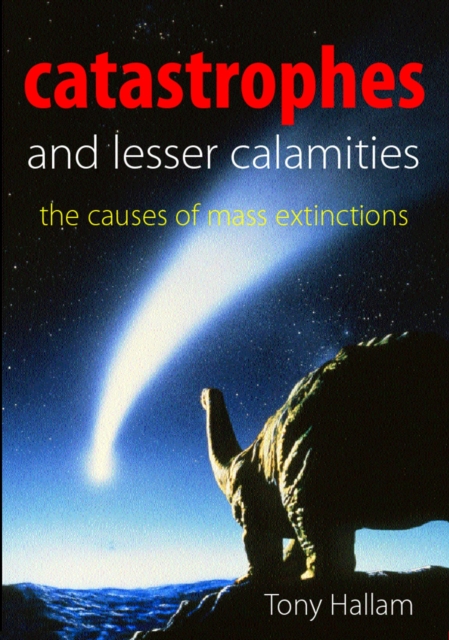
This is a book about the dramatic periods in the Earth's history called mass extinctions - short periods (by geological standards) when life nearly died out on Earth.
Fred Hoyle was one of the most widely acclaimed and colourful scientists of the twentieth century, a down-to-earth Yorkshireman who combined a brilliant scientific mind with a relish for communication and controversy.
This is a book about the dramatic periods in the Earth's history called mass extinctions - short periods (by geological standards) when life nearly died out on Earth.
This book journeys into one of the most fascinating intellectual adventures of recent decades - understanding and exploring the final fate of massive collapsing stars in the universe.