Dartmoor explores the complex and fascinating history of one of southern England's greatest National Parks, an area of enormous interest to naturalists and tourists alike.
The use of natural and seeded grass pastures for the feeding of livestock and other unfamiliar uses for the ubiquitous grass family are described in this succinct and beautifully illustrated work.
Leslie Brown's account of our 15 resident, 7 vagrant and 2 migrant species of eagles, falcons, hawks and vultures in Britain presents a great mass of scientific information about our birds of prey in a manner as attractive to the general reader as to the dedicated ornithologist.
In addition to dealing with the general biology and behaviour of the birds, Dr Perrins gives full attention to such things as their social lives, their intelligence and adaptiveness, and their puzzling ability to adjust their population sizes to the future availability of food.
Ferns gives the reader an introduction to the reasons for the variety of ferns in the British Isles, as well as the history of their development within this landscape and their use by man.
The Broads discusses the history of the Broads, the waters in the past and the waters now, the people who come into contact with and influence these waterways, and what the future holds for this small but important area of the countryside.
A comprehensive natural history of one of Britain's favourite animalsThe badger has for many years occupied a unique place in the British consciousness.
Reviewing the history and causes of climatic change and evaluating regional models, this New Naturalist volume offers an important analysis of climatic variations.
Chris Yates, one of Britain's most insightful and lyrical writers, raises his gaze from his beloved rivers and ponds and takes us on a mesmerizing tour of the British countryside.
The No Logo of climate change - a book that shows how global warming is not a theory we should still debate, but something that has already happened on a global scale.
The story of two nineteenth-century scientists who revealed one of the most significant and exciting events in the natural history of this planet: the existence of dinosaurs.
Over the years, millions of school children must have written out their address in the same way - their house number and street, their town, their country, their continent, planet Earth, the universe.
Sunday Times BestsellerA breathtaking and beautiful exploration of our planet, this groundbreaking book accompanies the BBC One TV series, providing the deepest answers to the simplest questions.
For the first time ever, a DVD featuring exclusive video and audio material accompanies the latest New Naturalist volume, a multimedia first for the series.
Harnessing recent developments in computer technology, the latest New Naturalist volume uses the most up-to-date and accurate maps, diagrams and photographs to analyse the diverse landscapes of Scotland.
Have you ever wondered where the best places to go are to see leaping salmon, rutting deer, diving gannets, breaching whales or bluebell woods in full bloom?
A compact introduction to observing, predicting, and understanding the weatherNote: this ebook for black and white devices was originally created and printed in colour.
New Naturalist Dartmoor explores the complex and fascinating history of one of southern England's greatest National Parks, an area of enormous interest to naturalists and tourists alike.
A tie-in to the TV series, offering practical advice to beginners wanting to learn more about wildlifeBill Oddie's How to Watch Wildlife is a practical beginner's guide to enjoying the wildlife of Britain.
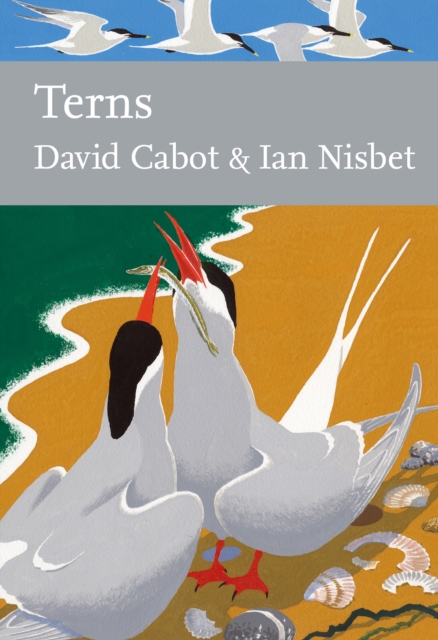
This New Naturalist volume provides a much-anticipated overview of these fascinating birds - the first book on the natural history of British and Irish terns since 1934.
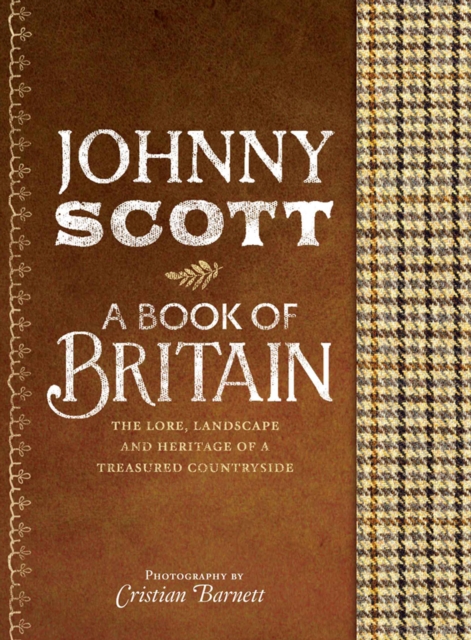
In this remarkable, landmark publication, countryman Sir Johnny Scott evokes all that is romantic about the British countryside, its people, customs and traditions.
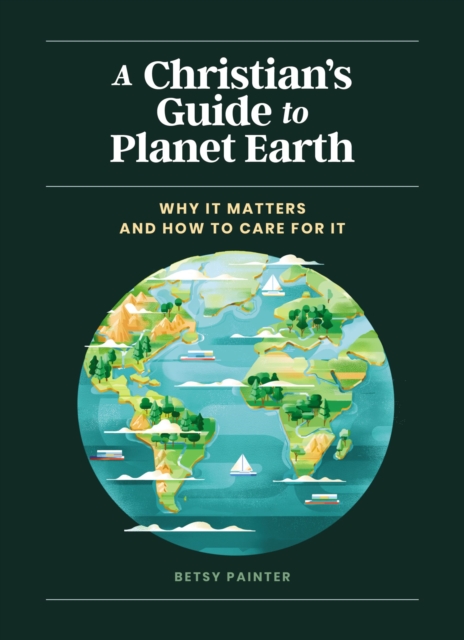
From conservation to protecting endangered species to sustainable living, A Christian's Guide to Planet Earth offers a faith-based framework for viewing our responsibility to the natural world as well as practical, biblical ways we can care for the magnificent creation around us.
An illustrated review of the Northern Great Plains that blends natural history and human history "e;The most complete, in-depth look at Dakota ecosystems and their history.
A three-thousand-year history of the Yellow River and the legacy of interactions between humans and the natural landscape From Neolithic times to the present day, the Yellow River and its watershed have both shaped and been shaped by human society.
A beautifully illustrated field guide to the Mid-Atlantic region, from the Jersey Shore to Cape Hatteras The Outer Banks of North Carolina and the beaches of the Mid-Atlantic Coast are among the most popular tourist destinations in the United States.
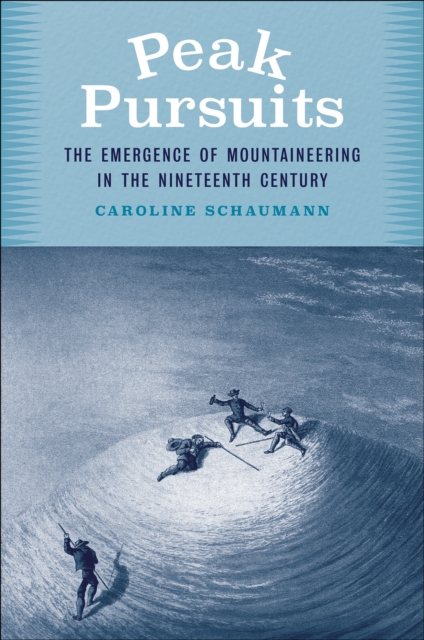
An interdisciplinary cultural history of exploration and mountaineering in the nineteenth centuryEuropean forays to mountain summits began in the late eighteenth and early nineteenth centuries with the search for plants and minerals and the study of geology and glaciers.
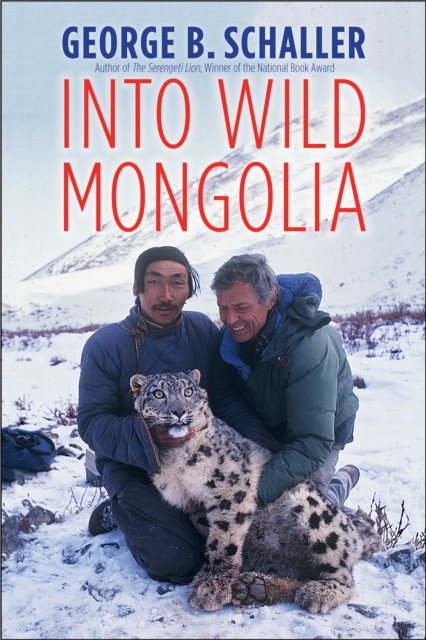
Explore the wonders of wild Mongolia through the eyes of a distinguished field biologist Mongolia became a satellite of the Soviet Union in the mid-1920s, and for nearly seven decades effectively closed its doors to the outside world.
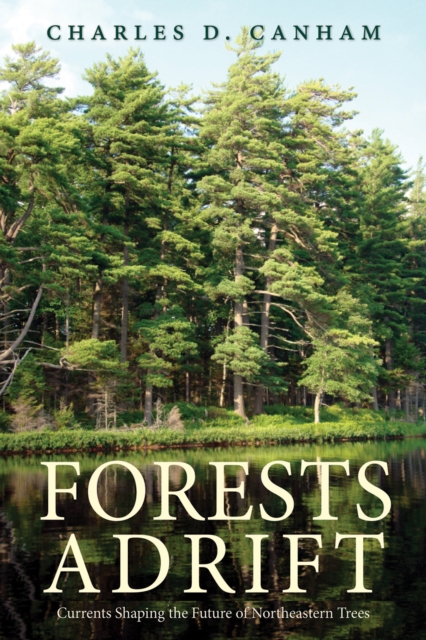
A captivating analysis of the past, present, and future of northeastern forests and the forces that have shaped them The northeastern United States is one of the most densely forested regions in the country, yet its history of growth, destruction, and renewal are for the most part poorly understood—even by specialists.
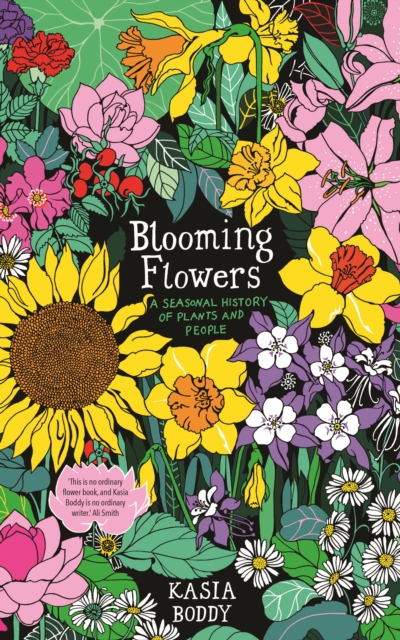
An evocative and richly illustrated exploration of flowers and how, over the centuries, they have given us so much sustenance, meaning, and pleasure"e;From the meaning of carnations in Sex and the City to the use of sunflowers in the cleanup of Chernobyl, from Henry VIII's ban on saffron dye in Ireland to the modernist reinventions of roses, this is no ordinary flower book, and Kasia Boddy is no ordinary writer.
From Thoreau's renowned Journal, a treasury of memorable, funny, and sharply observed accounts of his encounters with the wild and domestic animals of ConcordMany of the most vivid writings in the renowned Journal of Henry David Thoreau concern creatures he came upon when rambling the fields, forests, and wetlands of Concord and nearby communities.
A groundbreaking account of the cataclysmic hurricane of 1938 and its devastating impact on New England’s inland forests The hurricane that pummeled the northeastern United States on September 21, 1938, was New England’s most damaging weather event ever.
An appreciation of the beautiful, iconic, and endangered Eastern Hemlock and what it means to nature and societyThe Eastern Hemlock, massive and majestic, has played a unique role in structuring northeastern forest environments, from Nova Scotia to Wisconsin and through the Appalachian Mountains to North Carolina, Tennessee, and Alabama.
In her first book, Island in the Sound, Heckman brought to life Anderson Island in Puget Sound, its people, its history, and its sadly vanishing way of life.