This book is for everyone from novices to advanced herbalists and contains everything you need to know to source elderberries and make the most potent and delicious natural remedies and treats.
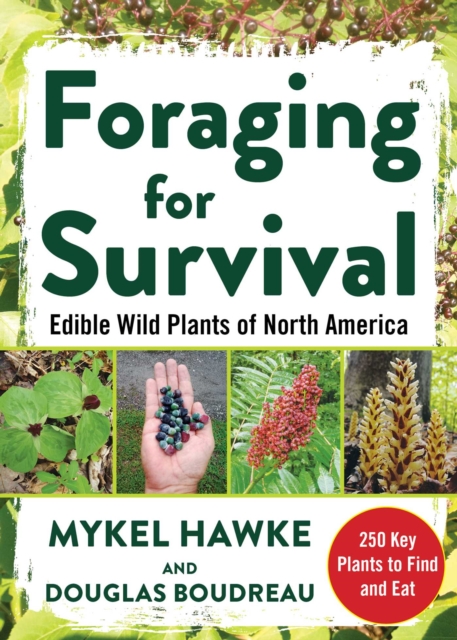
Whether you're a hiker taking a walk through your local wilderness, or a chef looking for new ingredients to incorporate in your dishes, Foraging for Survival is the book for you.
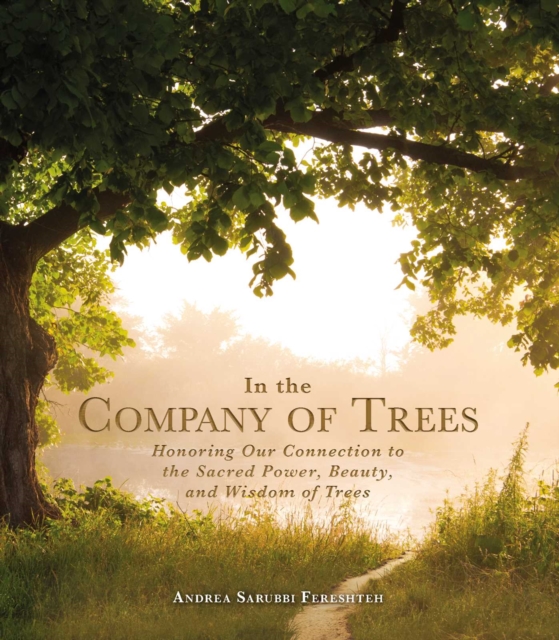
Fascinating facts, trivia, and stories celebrating nature and the magnificent life of trees and their invaluable place in our lives, including beautiful, full-color photographs throughout.
Inspired from the language of flowers from the Victorian era, the Language of Flowers Dictionary gives a brief blast from the past and a full list of flower meanings ranging from A to Z.
The author's tribute to the 18th-century New England farmhouse she called home: "e;[A] tender and often poignant book by a woman of many insights"e; (The New York Times Book Review).
Fully revised and updated, Wildflowers of the Florida Keys is the ultimate field guide to wildflowers, trees, and shrubs of the ecoregion that extends from Soldier Key to Key West.
Wildflowers of Shenandoah National Park is an easy-to-use field guide to help you identify more than 230 of the park's most common species - from the iconic large-flowered trillium, with its trio of white to pink petals, to the showstopping blooms that adorn the mountain laurel shrubs that decorate trails in June.
Medicinal Herbs of the Rocky Mountains introduces the principles of herbal remedies and guides readers through finding, harvesting, cultivating and incorporating more 66 locally abundant medicinal plants into daily life.
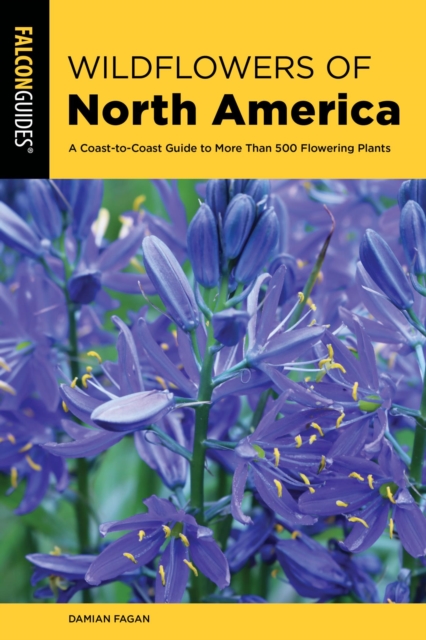
This user-friendly field guide to 600 wildflowers found in North America is organized by color and alphabetically to enable wildflower enthusiasts and nature lovers to identify and learn about the natural and cultural history of flowering plants.
In this fourth volume of the ';Secrets of the Forest'series, outdoor educator Mark Warren describes the details of how to make and operate the tools that hurl projectiles toward a target including: ';firing' techniques of a sling, spear, atl-atl, bow and arrow, throwing knife, tomahawk, and blowgun.
';Excellence and care guide every quiet step Mark Warren makes; to follow him teaches unique, wonderful truths about one's connection to the Earth and its inhabitants.
In this first volume of his Secrets of the Forest series, nature educator Mark Warren explains how to identify and use 100 wild plants as food, medicine, and craft.
The Ozark Mountains in Missouri and Arkansas have had a long history of foraging since indigenous tribes such as the Osage, Quapaw, and Kickapoo sporadically inhabited the area and utilized the rich natural resources.
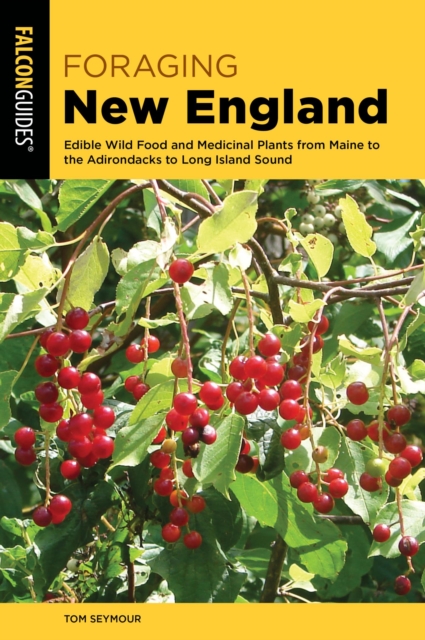
From beach peas to serviceberries, hen of the woods to Indian cucumber, ostrich ferns to sea rocket, Foraging New England guides the reader to the edible wild foods and healthful herbs of the Northeast.
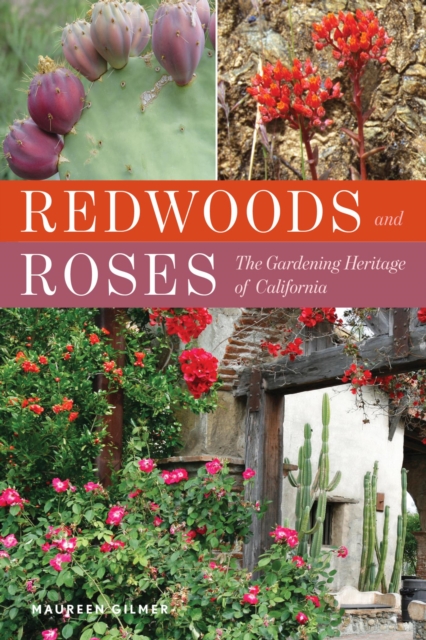
Redwoods and Roses explores the special relationship California's diverse peoples have shared with nature and the unique gardens and landscapes they have created over the years to nurture and enhance those bonds.
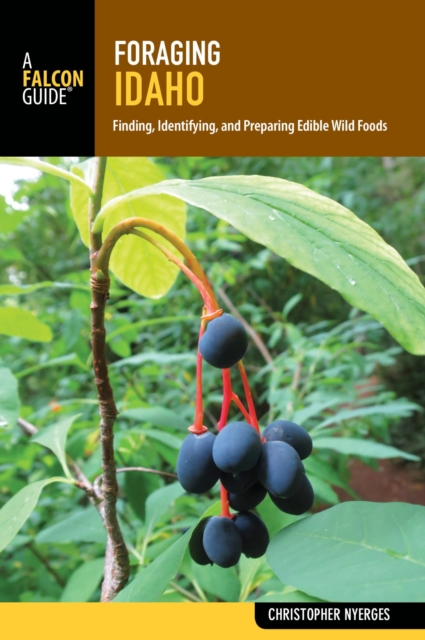
From ferns to trees, roots to fruits, native plants to the many introduced exotics, this guide uncovers the edible wild foods and healthful herbs of Idaho.
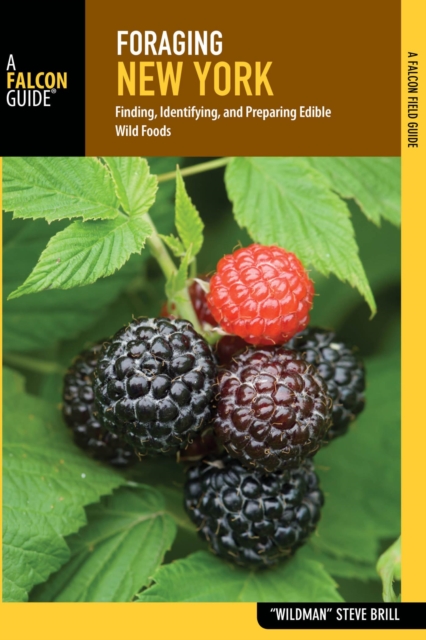
From beach peas to serviceberries, hen of the woods to Indian cucumber, ostrich ferns to sea rocket, this guide uncovers the edible wild foods and healthful herbs of New York.
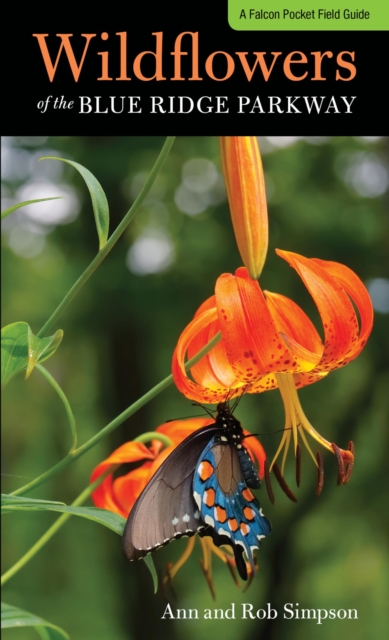
This field guide dedicated to wildflowers of the Blue Ridge Parkway is an information-packed, pocket-sized book that introduces park visitors to the vibrant wildflower habitats along the Blue Ridge Parkway in a colorful and portable package.
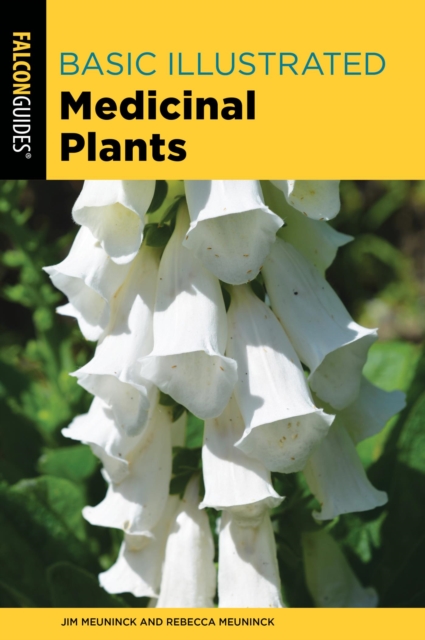
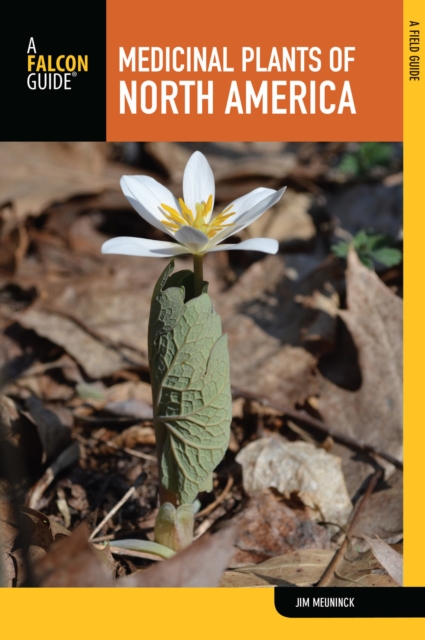
This exquisitely detailed full-color field guide, by biologist and herbal and medical plant expert Jim Meuninck, provides identification, practical information, and skills for the location of and use of medicinal plants.