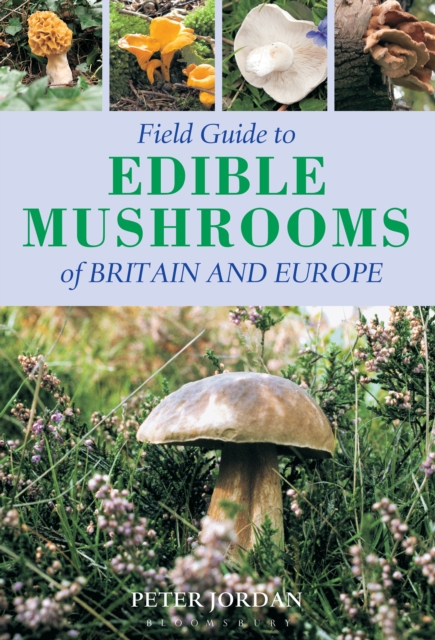
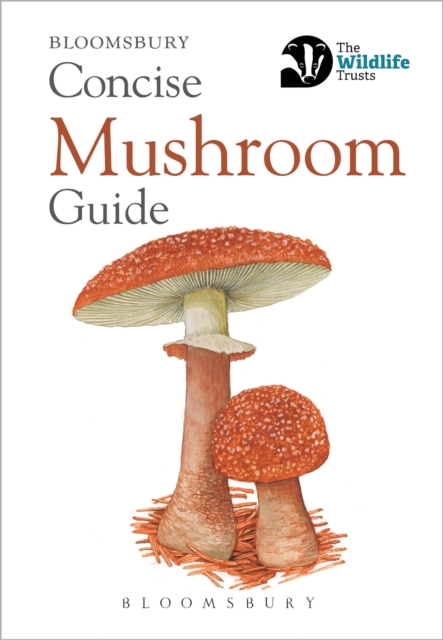
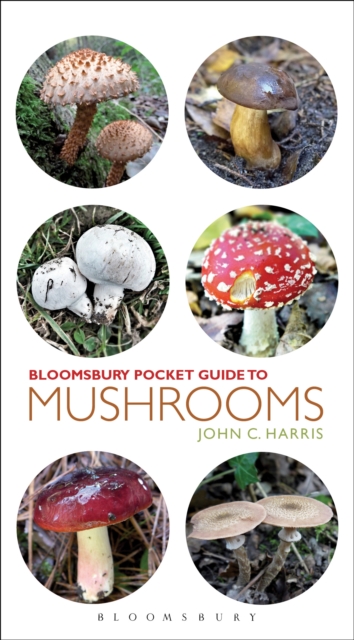
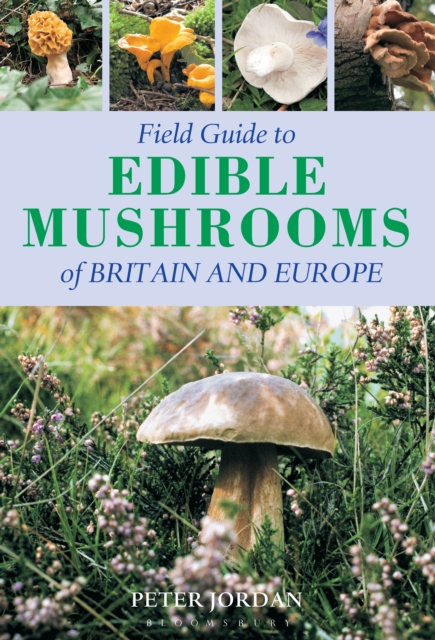
Field Guide to Edible Mushrooms of Britain and Europe is an invaluable source of information and advice on when and where to look for edible fungi throughout Europe.
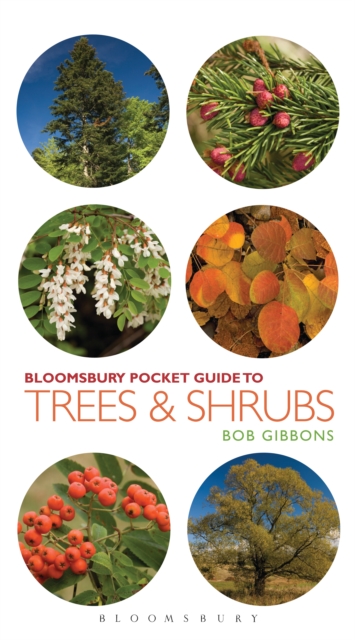
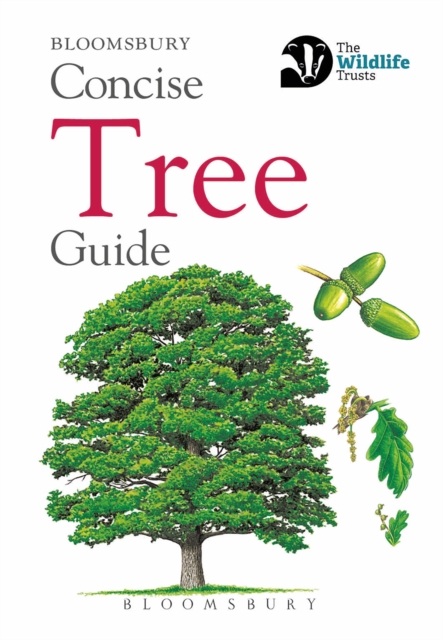
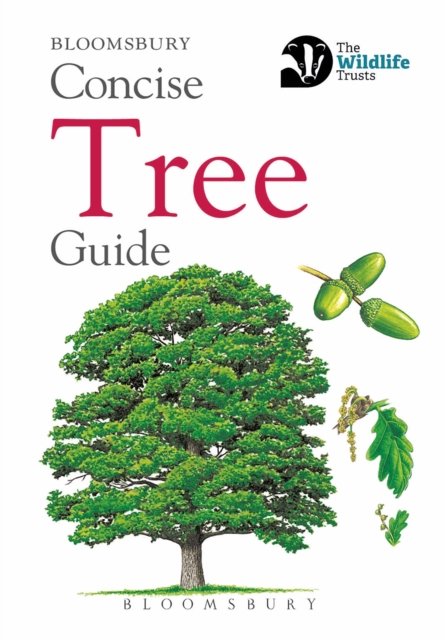
This practical field guide, published in association with the Wildlife Trusts, includes more than 160 species of trees from Britain and the near Continent.
This practical field guide, published in association with the Wildlife Trusts, includes more than 160 species of trees from Britain and the near Continent.
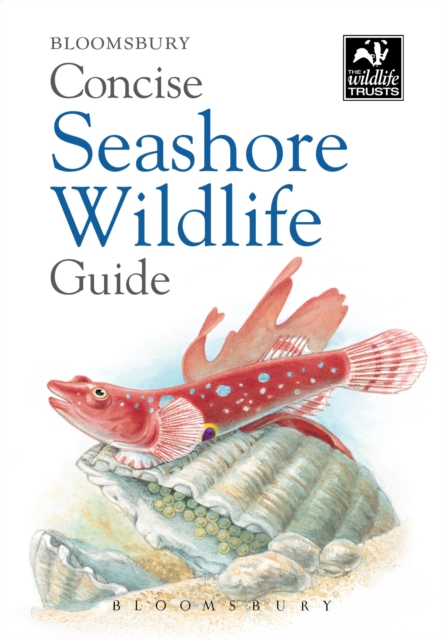
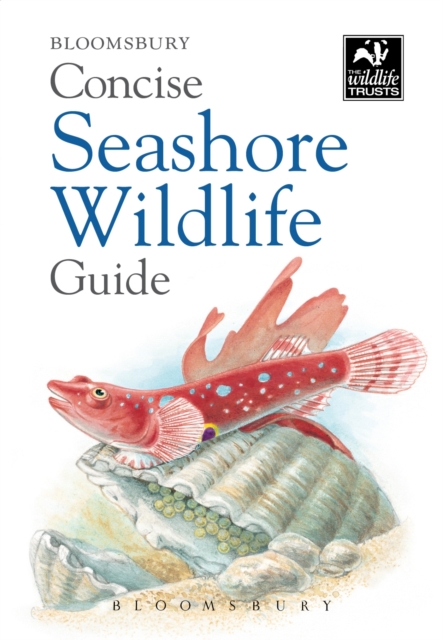
This practical pocket guide, published in association with the Wildlife Trusts, includes nearly 180 species that live in the area between land and sea called the intertidal, or littoral, zone.
This practical field guide, published in association with the Wildlife Trusts, includes nearly 180 species that live in the area between land and sea called the intertidal, or littoral, zone.
Field Guide to Edible Mushrooms of Britain and Europe is an invaluable source of information and advice on when and where to look for edible fungi throughout Europe.
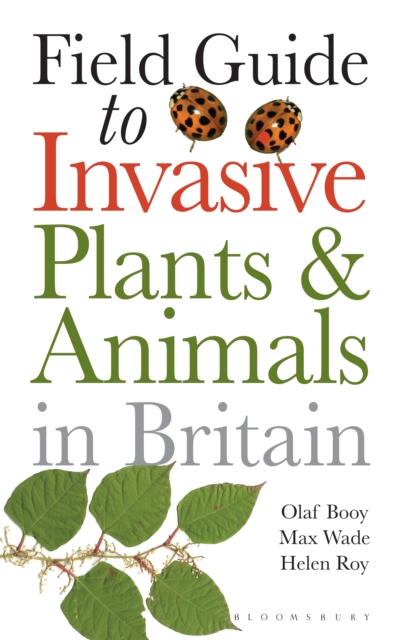
The impact of invasive organisms is second only to habitat loss as a threat to biodiversity and yet, despite increasing ecological awareness, people remain largely unaware of these plants and animals and their potentially devastating impact.
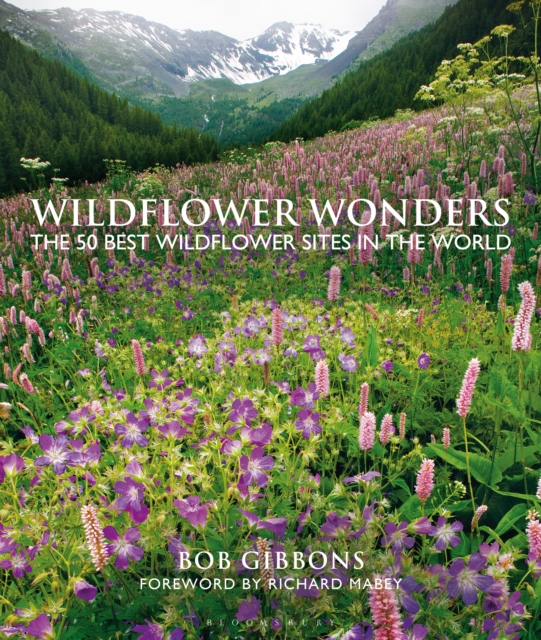
A visual feast for both armchair naturalists and active travellers, this book provides a visually stunning and very informative guide to the world's most spectacular displays of wild flowers.
From an author passionate about reconnecting both adults and children with nature, The Woodland Book aims to show anyone with an interest in nature and the great outdoors how to make the most of the unique environments provided by a canopy of trees.
From an author passionate about reconnecting both adults and children with nature, The Woodland Book aims to show anyone with an interest in nature and the great outdoors how to make the most of the unique environments provided by a canopy of trees.
The go-to guide to California's natural history, now updated with fresh insights on stewardship for a changing climate and diverse naturalist perspectives.
The book provides a comprehensive overview of current knowledge about "e;wattles"e;, a large clade of over 1000 species of trees and shrubs in the genus Acacia, most of which are native to Australia.
New England Wildflowers is the most complete guide available to the common wildflowers and flowering plants found in Connecticut, Rhode Island, Massachusetts, Vermont, New Hampshire, and Maine.
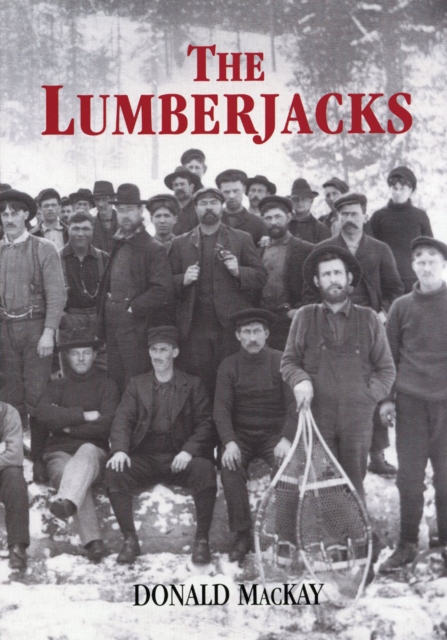
Short-listed for the 1978 Governor General's Award for Non-Fiction The 19th century spawned a unique breed of men who took pride in their woodsmen skills and rough codes of conduct.
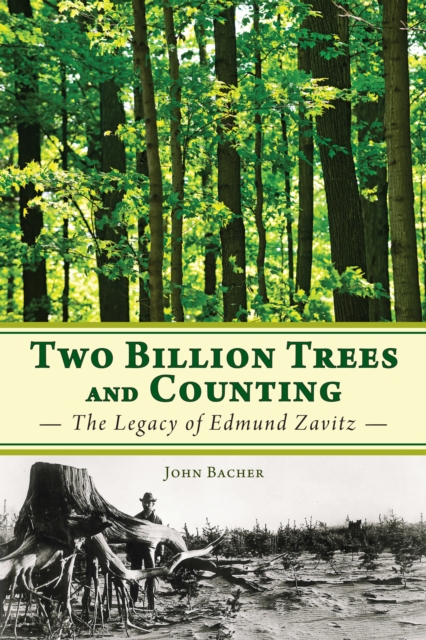
Short-listed for the 2012 Speaker's Book Award Edmund Zavitz (1875-1968) rescued Ontario from the ravages of increasingly more powerful floods, erosion, and deadly fires.
From ash die-back to the Great Storm of 1987 to Dutch elm disease, our much-loved woodlands seem to be under constant threat from a procession of natural challenges.
THE AWARD-WINNING INTERNATIONAL BESTSELLER, FROM THE AUTHOR OF FIRE WEATHER, WINNER OF THE 2023 BAILLIE GIFFORD PRIZE FOR NONFICTIONWINNER OF A WINDHAM-CAMPBELL PRIZE 2014'Absolutely spellbinding' New York Times'Will change how many people think about nature' Sebastian Junger______________________________________JOURNEY INTO THE HEART OF NORTH AMERICA'S LAST GREAT FOREST.
Wild flowers are a great passion for Carol, and for the TV show this year she s travelling the length and breadth of the country to find the most exquisite flora occurring naturally in our woodlands, hedgerows, meadows and moors, and then she sets off in search of their cultivated cousins, and shows us how to grow them in our own gardens.
In this remarkable journal of visits to Eden, Mabey transports his reader from Cornwall to the Mediterranean to the Tropics, from Old World to New, from present to personal memory, to new perspectives on our collective artistic and emotional past.
Given the extent of his influence on 17th-century life, and his lasting impact on the British landscape it is remarkable that no book has been written before about John Evelyn.
The experience which has led to the writing of this book began in 1929 when, examining a species related to Utricularia gibba, I made an observation of some importance in understanding the mechanism of the trap.