At the biological crossroads of the Americas, Costa Rica hosts one of the widest varieties of plants in the wold, with habitats ranging from tidal mangrove swamps, and lowland rainforests, to dry tropical evergreen and deciduous forests.
Stinkhorns, puffballs, the "e;corpse finder,"e; deadly galerina, Satan's bolete, birch conks, black mold, the old man of the woods--the world of fungi is infinitely varied and not a little weird.
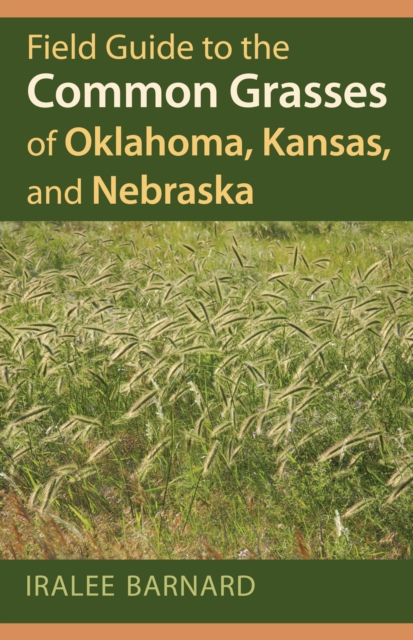
A Kansas Notable BookJan Garton Prairie Heritage Book AwardOnce covered by wild grasses, America's heartland is by nature a grassland, populated with plants whose ecological importance, practical value, and subtle beauty we are only now beginning to comprehend.
Carl Linnaeus (1707-1778) was a Swedish botanist, physician, and zoologist, who laid the foundations of modern biological systematics and nomenclature.
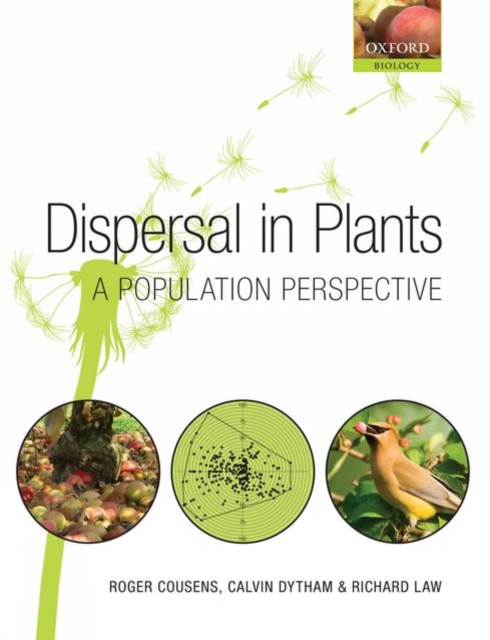
This advanced textbook is the first to explore the consequences of plant dispersal for population and community dynamics, spatial patterns, and evolution.
This book provides a comprehensive interdisciplinary overview of human-plant interactions and their social consequences from the hunter-gatherers of the Palaeolithic Era to the 21st century molecular manipulation of crops.
Stinkhorns, puffballs, the "e;corpse finder,"e; deadly galerina, Satan's bolete, birch conks, black mold, the old man of the woods--the world of fungi is infinitely varied and not a little weird.
When Steve Sillett was 19 years old, he free-climbed with no safety equipment and no training one of the tallest trees on earth, in the redwood forests of Prairie Creek, California.
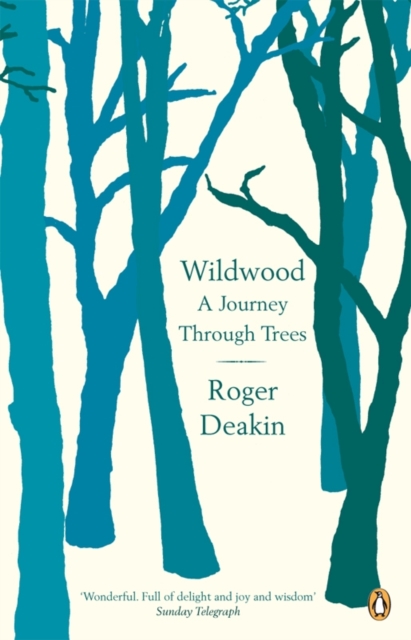
A much-loved classic of nature writing from environmentalist and the author of Waterlog, Roger Deakin, Wildwood is an exploration of the element wood in nature, our culture and our lives.
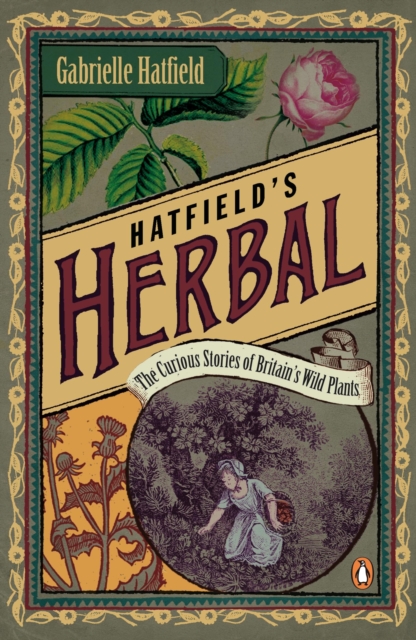
Hatfield's Herbal is the story of how people all over Britain have used its wild plants throughout history, for reasons magical, mystical and medicinal.
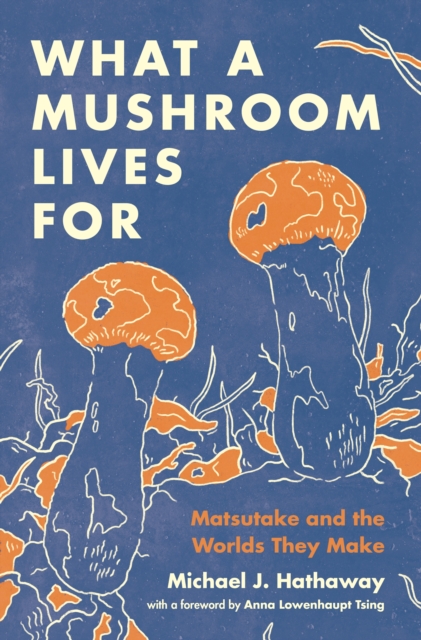
How the prized matsutake mushroom is remaking human communities in China-and providing new ways to understand human and more-than-human worldsWhat a Mushroom Lives For pushes today's mushroom renaissance in compelling new directions.
Nitrogen in the Environment: Sources, Problems, and Management is the first volume to provide a holistic perspective and comprehensive treatment of nitrogen from field, to ecosystem, to treatment of urban and rural drinking water supplies, while also including a historical overview, human health impacts and policy considerations.
The book begins with an overview of the research topics which were addressed in the three different phases of the Dutch Priority Program on Acidification (DPPA), executed between 1985 and 1994.
Plant Systematics is a comprehensive and beautifully illustrated text, covering the most up-to-date and essential paradigms, concepts, and terms required for a basic understanding of plant systematics.
Never find yourself stuck for gardening advice again with this handy and informative book in your garden shed, packed with advice from the experts at Kew Gardens, London.
Southern Asia is a vast and ecologically diverse region that extends from the deserts of Afghanistan to the rainforests of Thailand, and is home to a marvelously rich palm flora.
Proteas are South Africa’s wildflower celebrities: the King Protea is emblazoned on the National Coat of Arms and gives its name to the country’s cricket team.
Unlike the standard nature guides that explain how to recognize common animals,Naturestresses the web of interrelationships that link the regional flora and fauna.