The Testis: Advances in Physiology, Biochemistry, and Function, Volume IV, provides an overview of the state of knowledge in the physiology, biochemistry, and function of the testis.
Clinical Neuroendocrinology covers the clinical significance of the advances made in the understanding of relationships between the actions of neurotransmitters and the hypothalamic control of pituitary secretions.
Phagocytosis-Past and Future is a collection of contributions by investigators who met in the Province of Messina, Sicily, in October 1980 to discuss the functions of phagocytic leukocytes in the host-parasite relationship.
Mammalian Protein Metabolism, Volume IV is an 11-chapter text that describes the regulation of protein metabolism in mammals, both at the subcellular level and at the level of the intact organ and of the whole animal.
Changing Concepts of the Nervous System, presents the proceedings of the First Institute of Neurological Sciences Symposium in Neurobiology, held at the University of Pennsylvania in October 1980.
Extracellular Matrix Influences on Gene Expression emerged from the Second international Santa Catalina Island Colloquium that deals with the discussion on the advances in the molecular biology of extracellular matrices and the epigenetic influences on cell function.
Immune Recognition is a modified compilation of an experimental leukocyte culture conference about various aspects of macrophage and lymphocyte biology in relation to the eponymous central theme.
Isozymes, I: Molecular Structure contains manuscripts presented at the Third International Conference on isozymes convened in April 1974 at Yale University.
Cell Biology and Immunology of Leukocyte Function is a collection of papers presented at the 12th International Leukocyte Culture Conference, held in Beersheba, Israel on June 1978.
Isozymes, III: Developmental Biology contains manuscripts presented at the Third International Conference on isozymes convened in April 1974 at Yale University.
Strategies in Cold: Natural Torpidity and Thermogenesis is a collection of review papers presented at the Fifth International Symposium on Mammalian Hibernation, held at Jasper Park Lodge, Alberta, Canada on October 3-8, 1977.
Biology of Memory investigates the biological basis of memory and covers topics ranging from short- and long-term post-perceptual memory to memory storage processes, memory microstructures, chemical transfer, and neuronal plasticity.
Circulatory System Dynamics reviews cardiovascular dynamics from the analytical viewpoint and indicates ways in which the accumulated knowledge can be expanded and applied to further enhance understanding of the normal mammalian circulation, to ascertain the nature of difficulties associated with disease, and to test the effect of treatment.
Prolactin Secretion: A Multidisciplinary Approach covers the proceedings of the 1982 symposium on the frontiers and perspective of prolactin secretion through a multidisciplinary approach, convened in Nabor Carrillo Hall of the Natural University of Mexico.
Nucleosides, Nucleotides, and Their Biological Applications contains the proceedings of the Fifth International Round Table on Nucleosides, Nucleotides, and Their Biological Applications held at Research Triangle Park, North Carolina on October 20-22, 1982.
This volume is comprised of invited papers presented at the Seventh International Symposium on Ruminant Physiology, held in Sendai, Japan, in September 1989.
Metabolic Basis of Detoxication: Metabolism of Functional Groups considers the possible fates of the relatively circumscribed number of functional groups that xenobiotics bear.
Neuroendocrine Aspects of Reproduction contains the proceedings of the Oregon Regional Primate Research Center's Second Symposium on Primate Reproductive Biology held in Beaverton, Oregon, on October 8-9, 1982.
In In the Company of Bears, originally published in hardcover as Out on a Limb, Ben Kilham invites us into the world he has come to know best: the world of black bears.
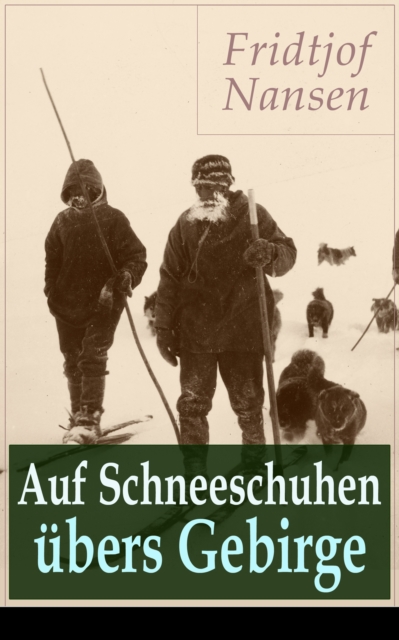
Dieses eBook: "Auf Schneeschuhen übers Gebirge" ist mit einem detaillierten und dynamischen Inhaltsverzeichnis versehen und wurde sorgfältig korrekturgelesen.
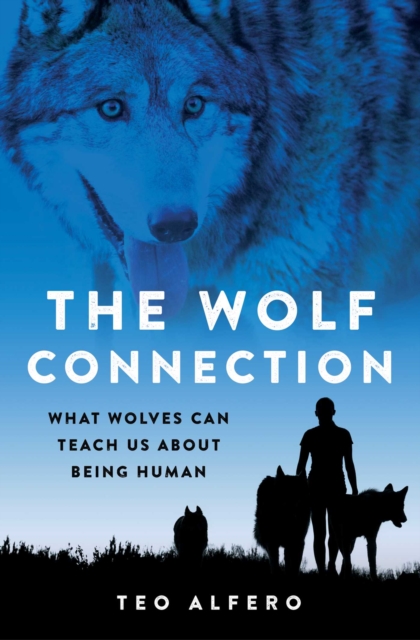
Discover the transformative lessons from one of humanity's oldest teachersthe wolfwith this enthralling, accessible, and ';beautiful book' (Helen Hunt, Academy Awardwinning actress) that ';is rich with meaning, emotion, and spirit.
From bestselling author James Raffan comes an enlightening and original story about a polar bear's precarious existence in the changing Arctic, reminiscent of John Vaillant's The Golden Spruce.
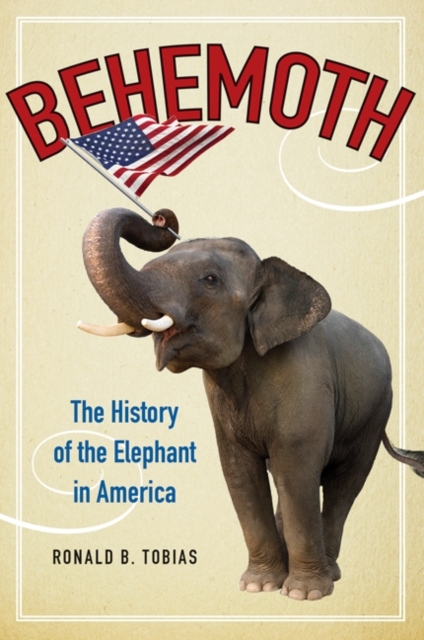
In the two hundred years since their arrival in America, elephants have worked on farms, mills, mines, and railroads, in Hollywood, and in professional baseball.
The Spotlight series introduces readers to the lives and behaviours of our favourite animals with eye-catching, colour photography and informative expert text.
When a farmer on Exmoor found a frightened and badly injured red deer calf hanging by the leg from a barbed wire fence, he knew there was only one man he could call.