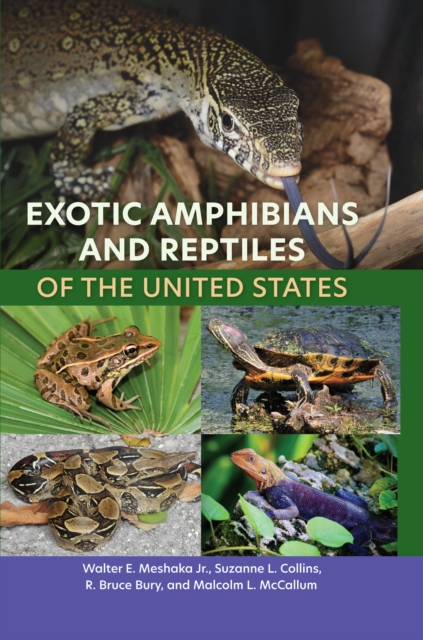
The first complete field guide to the exotic amphibians and reptiles established in the continental United States and Hawaii, this volume covers 74 species that are not native to the country and 29 species that are native but occur beyond their original geographic range.
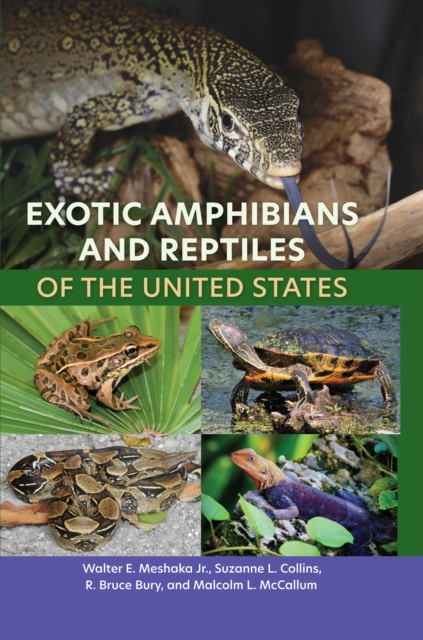
The first complete field guide to the exotic amphibians and reptiles established in the continental United States and Hawaii, this volume covers 74 species that are not native to the country and 29 species that are native but occur beyond their original geographic range.
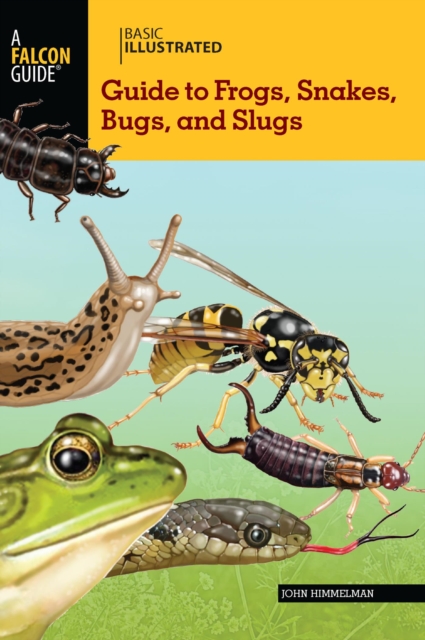
A surefire hit with young backyard diggers and bug-watchers, BasicIllustrated Guide to Frogs, Snakes, Bugs, and Slugs combines detailed illustrations of bugs, slugs, snakes, toads, and other creepy crawlies with clear and kid-friendly information to help the young bug-lover identify what's crawling up the tree, buzzing in his ear, or hiding under a log.
Queensland is home to 70% of Australia’s native mammals (226 species), over 70% of native birds (630 species), just over half of the nation’s native reptiles (485) and native frogs (127), and more than 11 000 native plant species.
The bioregion of Australia, New Zealand, Antarctica and New Guinea possesses a unique natural heritage stretching back over 50 million years since the break-up of the great southern continent of Gondwanaland.
Wetlands are often seen as the ultimate symbol of beauty and tranquillity, their clear waters sheltering mysterious animals in a world where change is gentle and slow, from dragonflies skimming above their own reflections to the fishes glimpsed briefly below.
The bioregion of Australia, New Zealand, Antarctica and New Guinea possesses a unique natural heritage stretching back over 50 million years since the break-up of the great southern continent of Gondwanaland.
Reef and Rainforest is a photographic portrayal of marine and terrestrial life in one of the world's most biodiverse regions – the tropics of north-eastern Australia, together with the South Pacific nations of Solomon Islands and Papua New Guinea.
The remote, beautiful and poorly known rainforests of Cape York Peninsula tell a special story about Australia’s historic and present-day connections to New Guinea.
In 1935, an Australian government agency imported 101 specimens of the Central and South American Cane Toad in an attempt to manage insects that were decimating sugar-cane harvests.
Physiology of the Amphibia, Volume III consists of 10 chapters beginning with a discussion on amphibian color changes and the various aspects of the molting cycle.
Physiology of the Amphibia, Volume II focuses on the various aspects of amphibian reproduction, both physiological and behavioral, and the interrelationship between these mechanisms and the environment.
The most authoritative illustrated book on flying reptiles availableFor 150 million years, the skies didn't belong to birdsthey belonged to the pterosaurs.
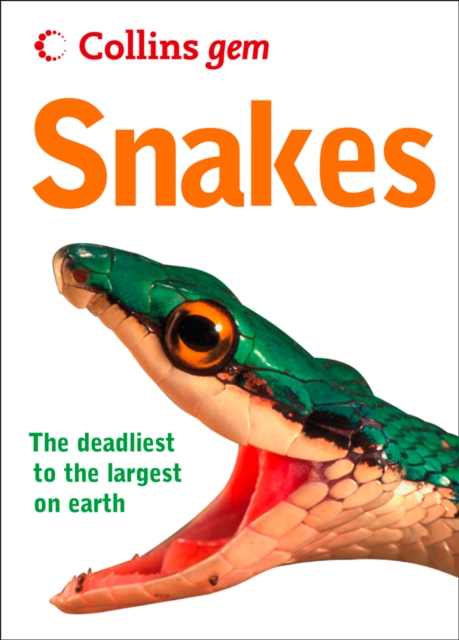
An easy-to-use and authoritative guide to over 220 species of snake from around the world, each entry specially selected to show the diversity of size, shape and colour of these respected creatures.
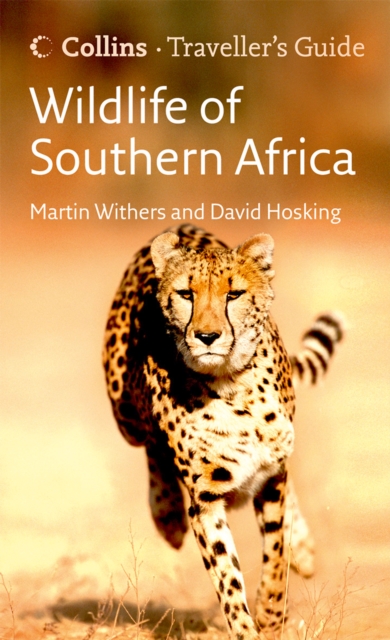
The perfect companion for the safari enthusiast, this complete traveller's guide to the wildlife of Namibia, Botswana, Zimbabwe, South Africa and Malawi is a must-have for all those considering a trip to the game reserves of this highly popular region.
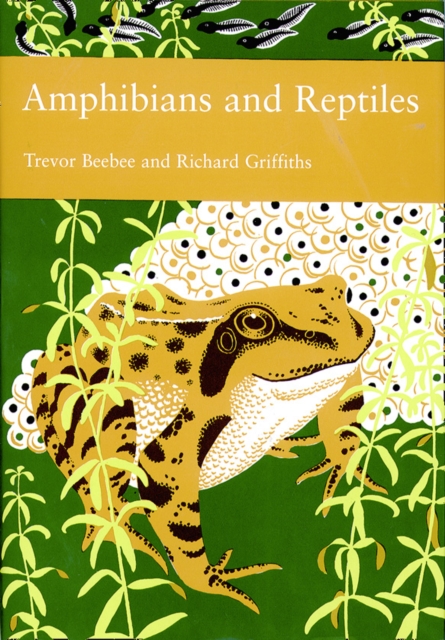
Building on the solid foundations established by the two earlier New Naturalist volumes on this subject, eminent herpetologists Trevor Beebee and Richard Griffiths have brought together a wealth of new and fascinating information on the British amphibians and reptiles.
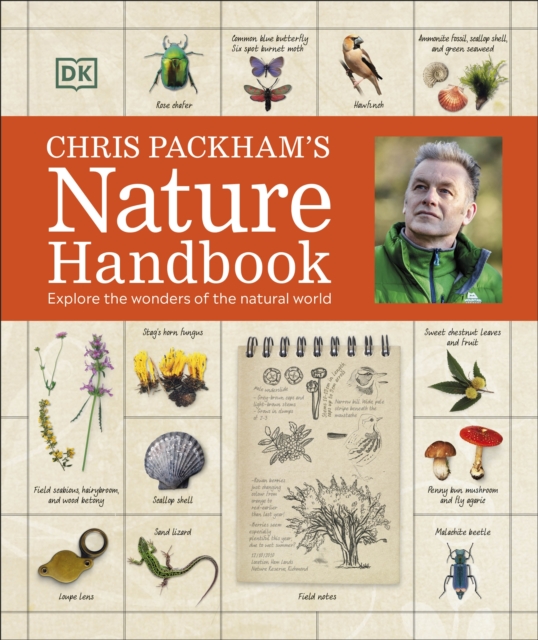
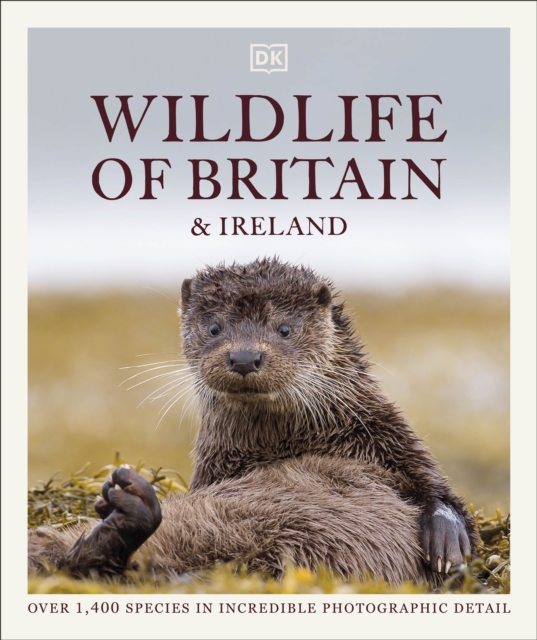
Authoritative, lavishly illustrated, and beautifully designed, this photographic ID of Britain's flora and fauna will captivate nature enthusiasts of every age and ability.