Shooter's Bible Guide to Whitetail Strategies is the ultimate guide to hunting whitetail deer, from tracking strategies that include recovering wounded deer, and cooking with venison, to scoring and field-judging bucks, this book is the guide that every whitetail strategist must own.
This hands-on guide explains no-nonsense techniques on how to develop a well-balanced and well-planned food plot and deer management program that will enhance your deer hunting success tenfold.
Shooter's Bible, for generations the most trusted source of detailed information on firearms, offers gun enthusiasts a full-color guide to everything they need to know about cartridgesHave you ever wondered which cartridge was appropriate for your gun or a friend's gun?
Gordon Churchill has been an enthusiastic angler all of his life, ever since he was little and would go fishing with his father in the lakes of upstate New York.
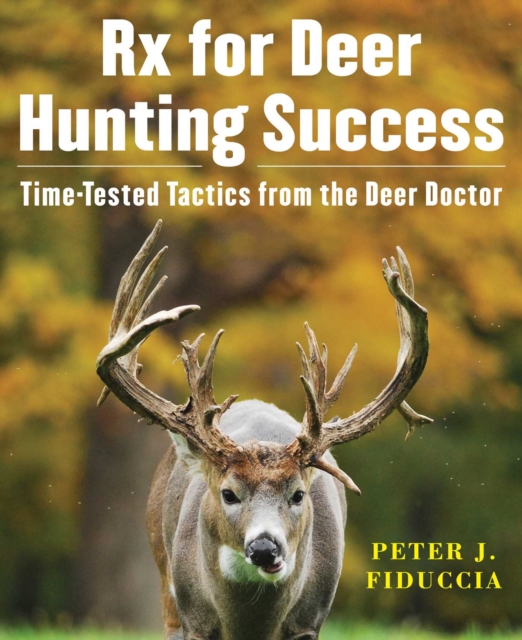
Whitetail hunters familiar with Peter Fiduccias books, articles, seminars, and television shows know that he offers straightforward, practical, cutting-edge deer hunting advice and down-to-earth commentary.
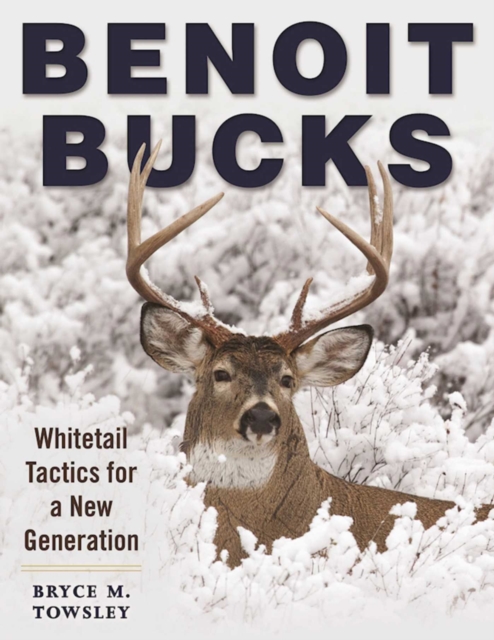
To take the most impressive whitetail bucks, and to bring them in consistently, a hunter has to know his weapons, the woods and, most of all, his quarry.
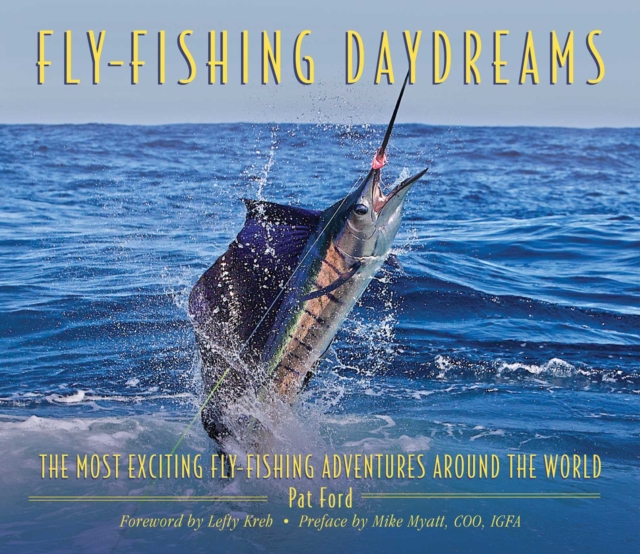
Acclaimed sporting and adventure writer Charles Gaines has spent much of his life on the water, around the world, fishing rod in hand, angling for trout, redfish, salmon, bonefish, bass, marlin, tuna, and practically everything else that swims.
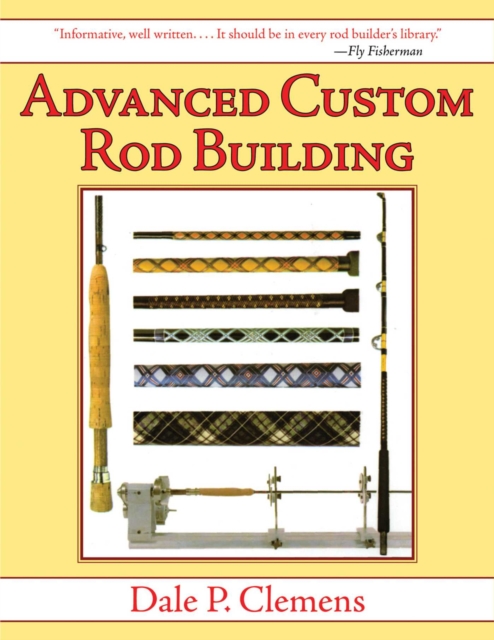
Considered the Bible of rod buildingEssential guide for fishermen making their own rodsEspecially useful for the experienced custom builderHave you ever wondered what it would feel like to have a rod that feels like a part of you and not just a tool?
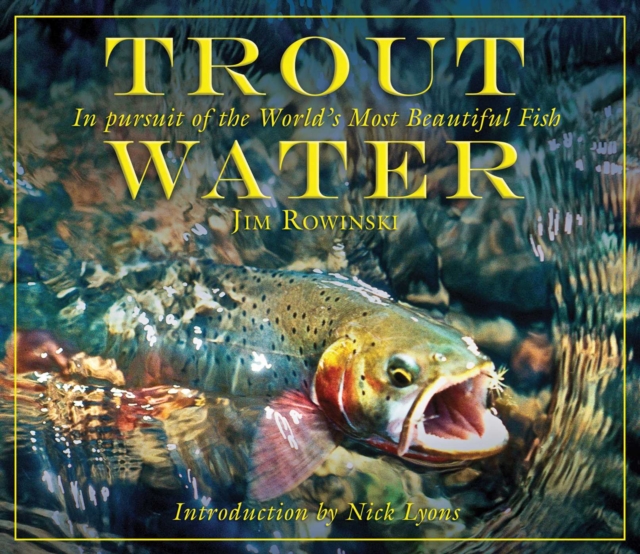
Through extraordinary photographs and prose, Trout Water brings to life the waters where trout make their home, creating an intimate portrait of the nature of the living river and the fly fisherman's passion for these wild places.
Anyone who has spent time on the water knows that fishing success comes down to effective connectionsthe angler must first ensure that the knot connections throughout the fishing line are sound and appropriate for the task at hand.
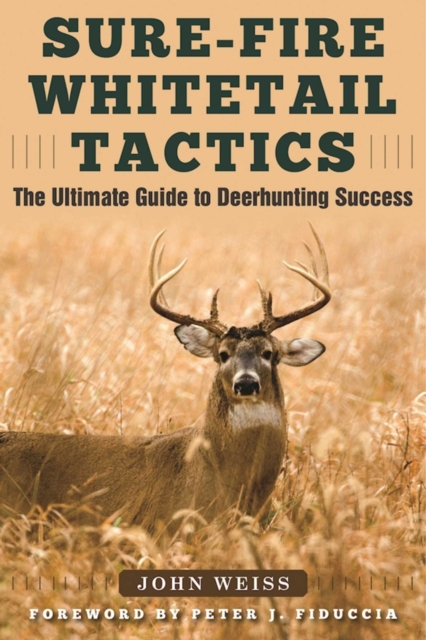
Whether youre a seasoned veteran or a first-time deer hunter, you will find plenty of solid advice delivered in a knowledgeable yet comprehensible manner in Sure-Fire Whitetail Tactics.
• Innovative techniques and gear to help you see the fish better• Fishing beaches, rips, flats, tidal ponds, shallow water and how the weather influences sight fishing• Rigging the boat plus the flies and lures to useSight-Fishing the Flats and Beyond offers effective sight-fishing tactics for a variety of species, including striped bass, bluefish, spotted seatrout, snook, permit, bonefish, and barracuda.
Brian Blessed has a lifelong love of animals and over the years has rescued cats and dogs, horses and ponies, and even a very ungrateful fighting cock.
Celebrate our amazing world with this fascinating and entertaining book featuring wow-worthy animal facts and beautiful photos that will remind you of what we risk losing if we don't make changes to our environment.
Behold the power of nature with this illustrated field guide to recognizing and understanding the messages that the universe sends us through the birds we see in our daily lives.
In this ';deeply personal and lyrical book' (Publishers Weekly) from the New York Times bestselling author of The Horse, Wendy Williams explores the lives of one of the world's most resilient creaturesthe butterflyshedding light on the role that they play in our ecosystem and in our human lives.
Witty, shrewd, and always a joy to read, John Gierach, ';America's best fishing writer' (Houston Chronicle) and favorite streamside philosopher, has earned the following of ';legions of readers who may not even fish but are drawn to his musings on community, culture, the natural world, and the seasons of life' (Kirkus Reviews).
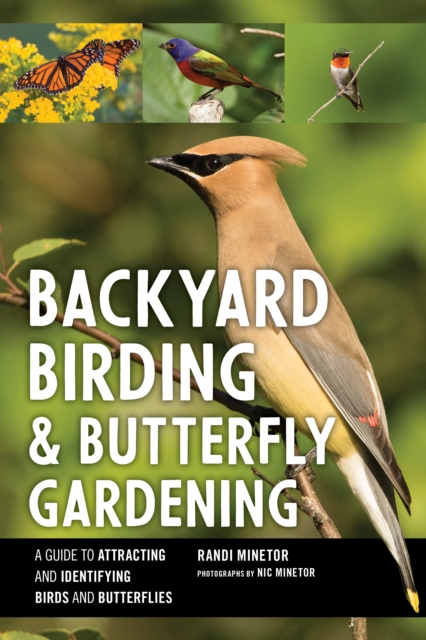
Learn how to:*; Attract particular species by choosing the right foods, plants, trees, water sources, and nesting materials*; Create a garden, region by region, that will be an oasis for birds and butterflies*; Instantly recognize, and attract, those birds you are most likely to seeincluding the top birds found nationally as well as in Eastern and Western locations*; Identify species by field marks, plumage, and more*; Make your yard the hummingbird capital of the neighborhood*; Fend off predators and other uninvited backyard guests