New Naturalist Dartmoor explores the complex and fascinating history of one of southern England's greatest National Parks, an area of enormous interest to naturalists and tourists alike.
A tie-in to the TV series, offering practical advice to beginners wanting to learn more about wildlifeBill Oddie's How to Watch Wildlife is a practical beginner's guide to enjoying the wildlife of Britain.
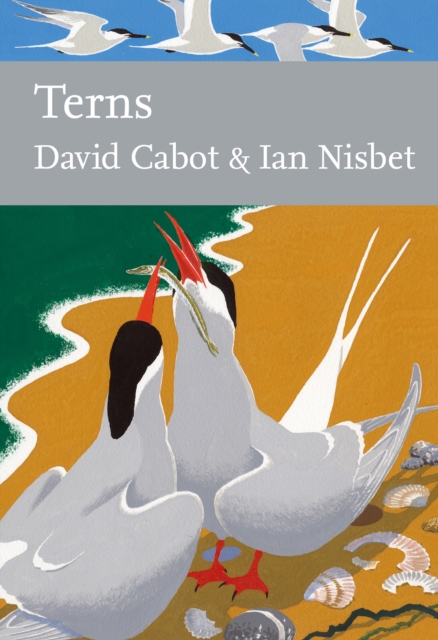
This New Naturalist volume provides a much-anticipated overview of these fascinating birds - the first book on the natural history of British and Irish terns since 1934.
In this remarkable, landmark publication, countryman Sir Johnny Scott evokes all that is romantic about the British countryside, its people, customs and traditions.
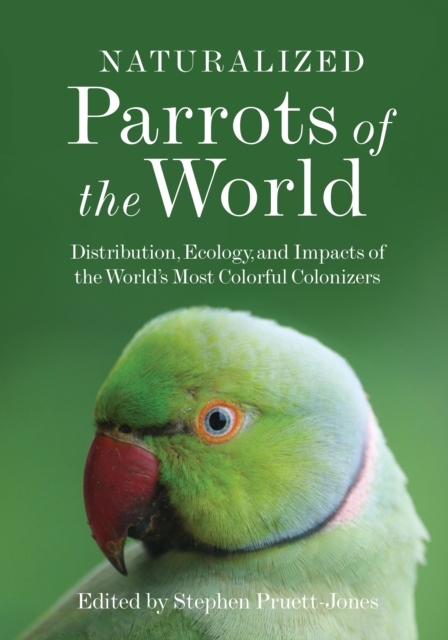
A remarkable exploration of naturalized parrots, among the most widely distributed birds in the worldThere are more than 350 species of parrots in the world, and approximately 300 of these species have been transported to other countries through the caged pet trade.
The life of the Meerkats - from the highly successful TV series, and soon to be released major feature filmMEERKAT MANOR is the true-life story of Flower, the heroine of the successful television series, and the dominant female of Whiskers group.
The third book in The Corfu Trilogy (after My Family and Other Animals and Birds, Beasts and Relatives), the beloved books that inspired ITV's television series The Durrells.
Beginning Beekeeping is a simple, straightforward approach that gives you the basics to get started with beekeeping, while following a balanced, objective approach that weighs the pros and cons of conventional and organic methodologies.
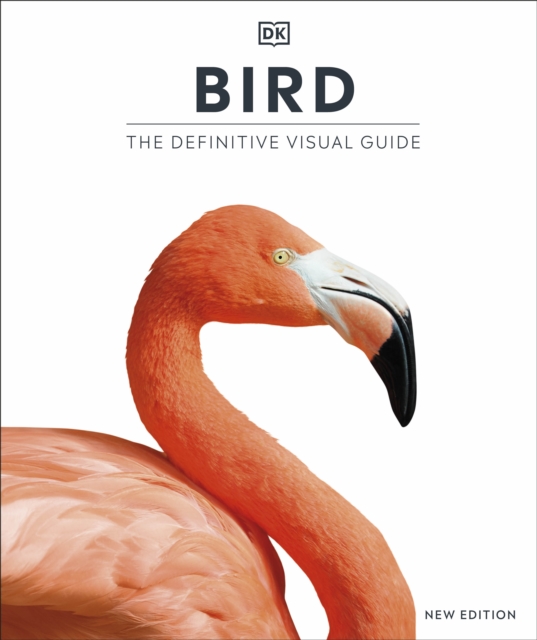
The diversity and drama of the bird world is brought to breathtaking life in an encyclopedic new editionThis photographic guide to every bird order and family profiles more than 1,280 species, pictured in their native environment by photographers around the globe.
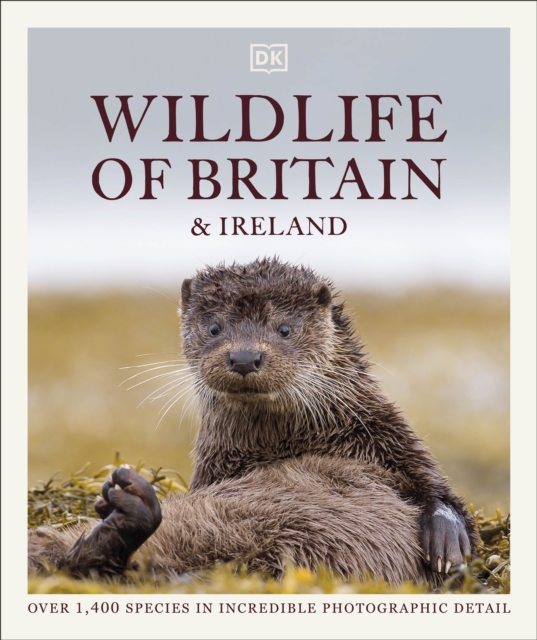
Authoritative, lavishly illustrated, and beautifully designed, this photographic ID of Britain's flora and fauna will captivate nature enthusiasts of every age and ability.
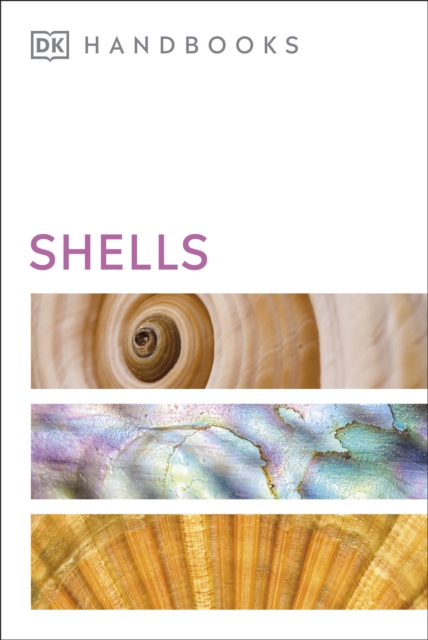
The clearest and sharpest recognition guide to over 500 species of seashell from around the worldAuthoritative text, crystal-clear photography, and a systematic approach make this the most comprehensive and concise e-guide to seashells of the world.
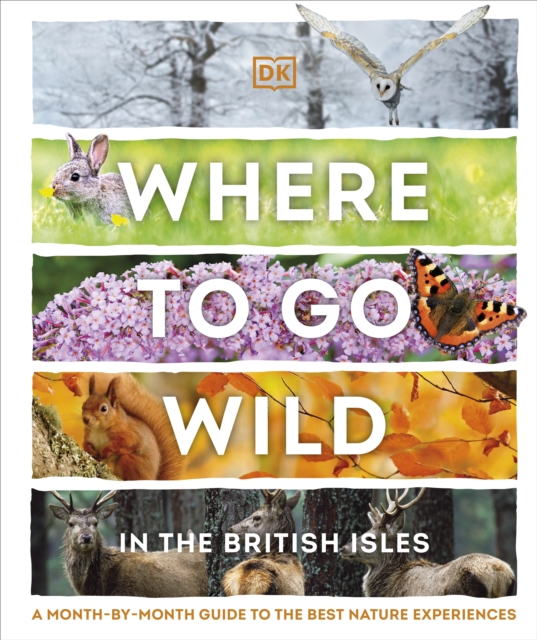
A beautiful photographic e-guide to British flora and fauna through the year and around the British Isles, from remote beaches to wetland centres, fens to forests, valleys to islands.
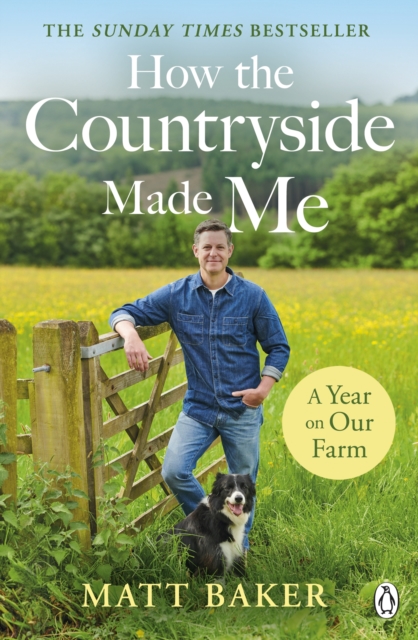
Escape into nature with Matt Baker's fascinating journey through the natural year and family life on the farm'A delight' Countryfile Magazine_______Matt Baker finds his calm on the farm.
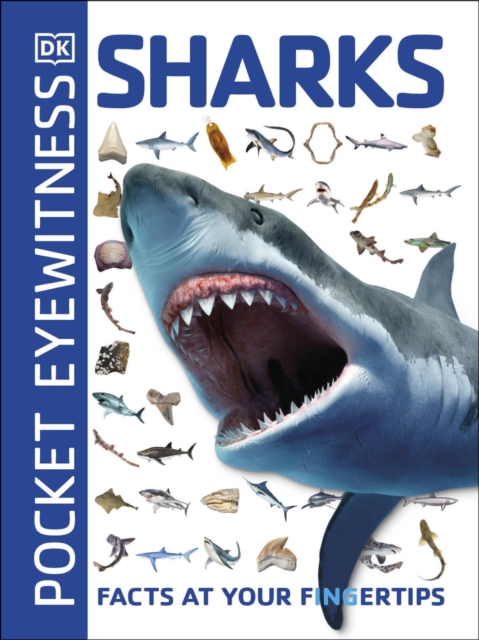
Dive into the world of the shark, one of the ocean's most awesome predators, in this mini encyclopedia of some of the world's most magnificent marine creatures.
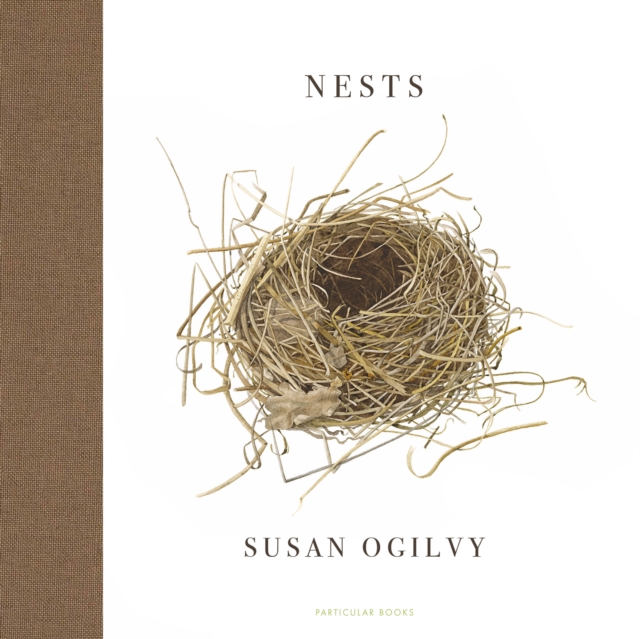
An exquisitely illustrated, one-of-a-kind celebration of the hidden beauty of nature and the ingenuity of birdsSusan Ogilvy started painting bird nests almost by accident.
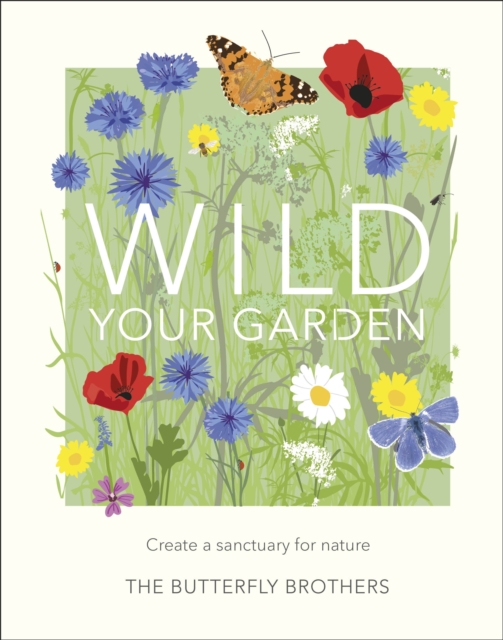
"e;It's up to every single one of us to do our bit for wildlife, however small our gardens, and The Butterfly Brothers know just how that can be achieved.
Find out how you can help save the bees in lots of practical ways and discover the incredible science behind honey bees, beekeeping, and bees in the wild - from the carpenter solitary bee to the stingless sugarbag.
**Winner of the Sunday Times Young Writer of the Year Award 2018 and the Lonely Planet Adventure Travel Book of the Year 2019**'Weymouth combines acute political, personal and ecological understanding, with the most beautiful writing reminiscent of a young Robert Macfarlane.
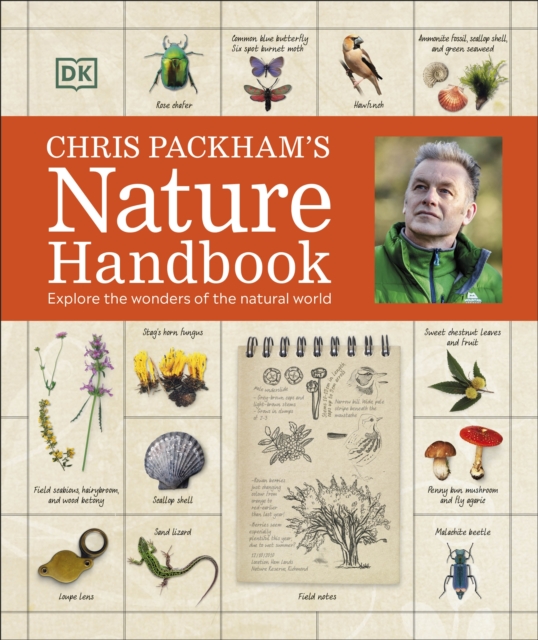
A deep knowledge of our natural environment is no longer a vital part of everyday survival, certainly for those of us living in cities and working in weatherproof offices.
Daphne Sheldrick's best-selling love story of romance, life and elephants, An African Love Story: Love, Life and Elephants is an incredible story from Africa's greatest living conservationist.
'When you have a large collection of animals to transport from one end of the world to the other you cannot, as a lot of people seem to think, just hoist them aboard the nearest ship and set off with a gay wave of your hand.